

Mar . 21, 2026 03:07 Back to list
Comprehensive Guide to Choosing a 4 Seasons Sleeping Bag for Outdoor Adventures
Choosing the Right Sleeping Bag: A Guide to 4-Season Comfort
Selecting a sleeping bag for year-round use requires careful consideration. A 4-season sleeping bag offers versatility, providing warmth in freezing temperatures while remaining comfortable in milder conditions. This article will guide you through the key features, materials, and considerations for choosing the best 4-season sleeping bag for your outdoor adventures. We'll explore different types of insulation, temperature ratings, and shapes to help you make an informed decision. Preparing for all types of weather is essential for a safe and enjoyable outdoor experience.
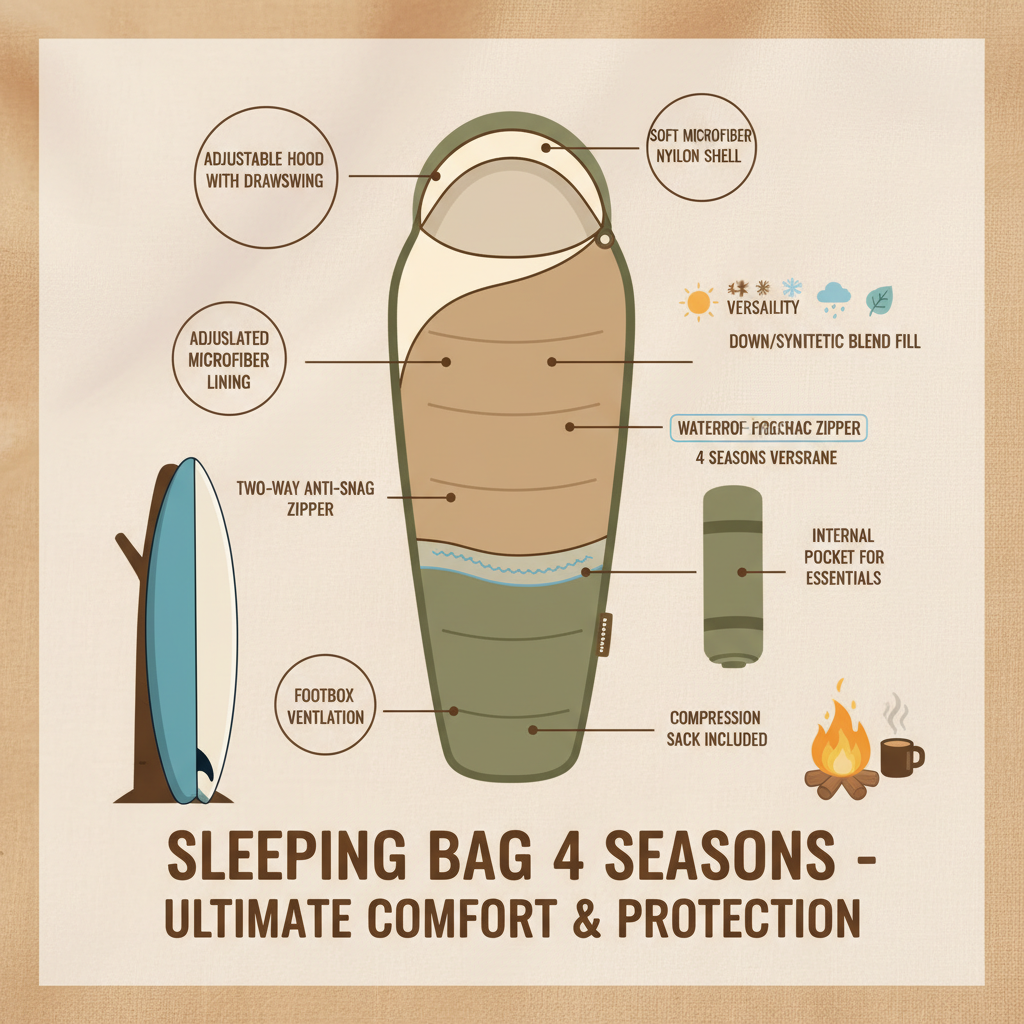
Understanding 4-Season Sleeping Bag Capabilities
A 4-season sleeping bag is designed to keep you warm in temperatures ranging from well below freezing to moderately cool. These bags typically have a lower temperature rating (often 0°F to 20°F / -18°C to -7°C) and are built with features to trap heat effectively. They're ideal for camping in the shoulder seasons (spring and fall) and even winter conditions with appropriate layering. Crucially, the stated temperature rating is a limit rating, meaning the temperature at which a standard woman can sleep for eight hours without shivering. Consider a comfort rating for a more realistic expectation.
Key Takeaway: 4-Season sleeping bags are a versatile option for campers and hikers who want a single bag that can handle a wide range of temperatures and conditions.
Down vs. Synthetic Insulation: Which is Right for You?
The choice between down and synthetic insulation is a significant one. Down insulation is known for its exceptional warmth-to-weight ratio and compressibility. However, it loses its insulating properties when wet and takes longer to dry. Synthetic insulation, on the other hand, retains some warmth even when damp and dries much faster. It’s also typically more affordable, but heavier and bulkier than down. For a 4-season bag, consider the environments you’ll be using it in. If you expect consistently dry conditions, down is a great choice. For wet or humid environments, synthetic insulation is a more practical option.
Down vs. Synthetic: A Quick Comparison
• Warmth-to-Weight: Down is superior.
• Compressibility: Down compresses much smaller.
• Wet Performance: Synthetic retains warmth when wet.
• Dry Time: Synthetic dries faster.
• Cost: Synthetic is typically more affordable.
Sleeping Bag Shapes and Their Impact on Warmth
The shape of your sleeping bag significantly impacts its warmth and comfort. Mummy bags are the most common for 4-season use, offering a snug fit that minimizes dead air space and maximizes thermal efficiency. Semi-rectangular bags provide a bit more room to move but are less efficient at trapping heat. Rectangular bags are the roomiest but offer the least warmth and are generally not recommended for cold-weather camping. Consider your sleeping style – if you're a restless sleeper, a semi-rectangular bag might be a better choice, even if it means sacrificing some warmth. Layering clothing can help compensate for a slightly less warm bag.
Key Features to Look for in a 4-Season Sleeping Bag
Beyond insulation and shape, several other features enhance the performance of a 4-season sleeping bag. Look for a draft collar that seals around your neck, preventing warm air from escaping. A draft tube along the zipper minimizes heat loss. A hood that cinches tightly around your head provides crucial warmth in cold conditions. Consider a bag with internal pockets for storing small items like a headlamp or phone. High-quality zippers are essential for durability and smooth operation. Explore options from Aoxin Outdoor for premium features and quality construction.
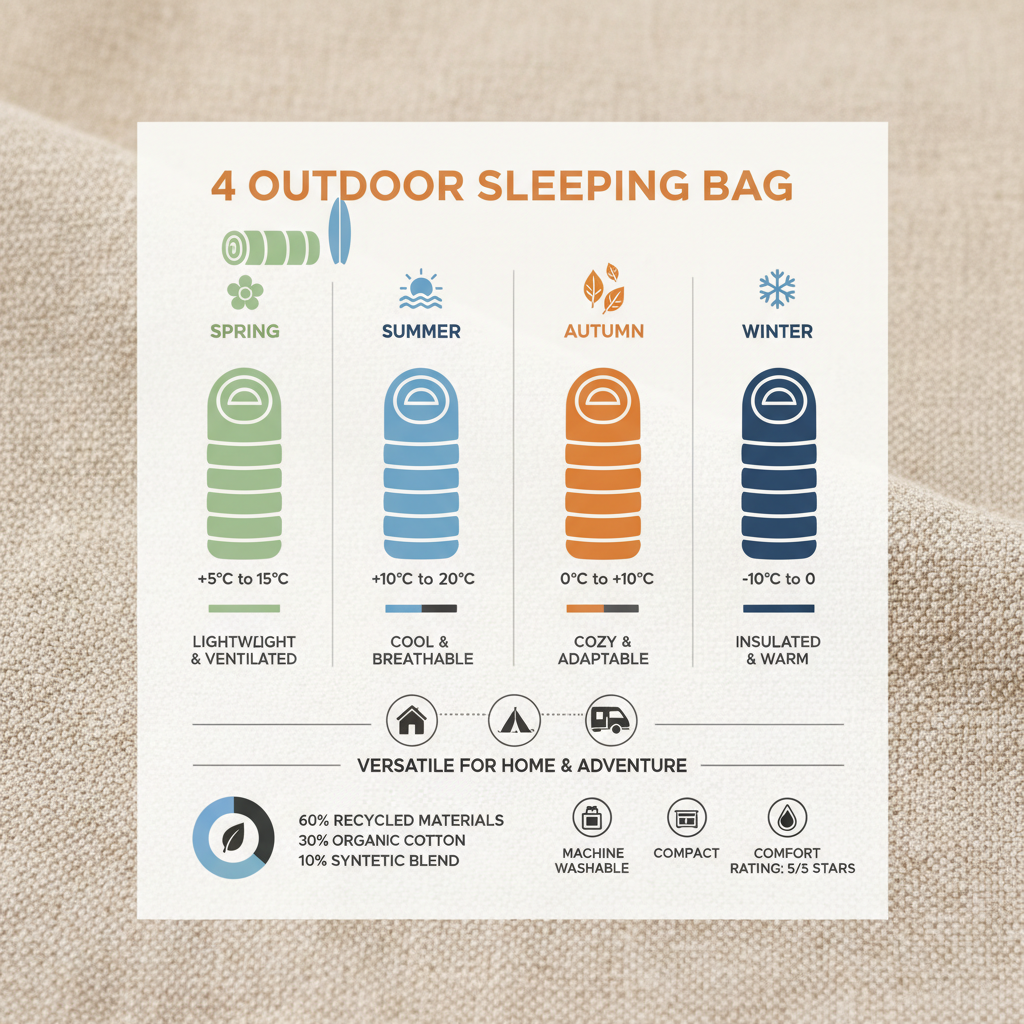
Product Specifications: Aoxin Outdoor 4-Season Sleeping Bag Example
Here's a sample of specifications you might find in a 4-season sleeping bag from Aoxin Outdoor:
Conclusion: Stay Comfortable on All Your Adventures
Investing in a quality 4-season sleeping bag is crucial for enjoying comfortable and safe outdoor experiences year-round. By carefully considering your needs – insulation type, shape, and key features – you can find the perfect bag to keep you warm and protected in any condition. Browse the selection at Aoxin Outdoor to find your ideal sleeping companion.
Frequently Asked Questions (FAQs)
What temperature rating should I choose for a 4-season sleeping bag?
The ideal temperature rating depends on your typical camping conditions and your personal cold tolerance. Generally, a bag rated to 0°F (-18°C) is a good choice for those who camp in freezing temperatures. However, it's important to remember that the limit rating is for survival, not comfort. If you're a cold sleeper, or expect consistently cold conditions, consider a bag with a lower temperature rating or plan to layer extra clothing. Also consider the "comfort" rating, which is the temperature at which a standard woman can sleep comfortably for eight hours.
How do I properly care for my down sleeping bag?
Down sleeping bags require specific care to maintain their loft and insulation. Always store your bag loosely in a large storage sack, rather than compressing it tightly in its stuff sack. Wash your bag only when necessary, using a down-specific detergent and following the manufacturer's instructions. Dry the bag thoroughly, using a dryer with low heat and dryer balls to restore loft. Avoid getting the down wet if possible, as it takes a long time to dry.
Can I use a sleeping bag liner to increase warmth?
Yes, a sleeping bag liner can add significant warmth – typically 5-15°F (3-8°C). Liners also help keep your sleeping bag clean and reduce the need for frequent washing. They're available in a variety of materials, including silk, fleece, and synthetic fabrics. Silk liners are lightweight and comfortable, while fleece liners provide maximum warmth.
What is a baffle and why is it important?
Baffles are internal partitions within a sleeping bag that create chambers to hold the insulation in place. They prevent the down or synthetic fill from shifting and creating cold spots. Different types of baffles exist, including vertical and horizontal baffles, each offering varying levels of warmth and efficiency. Properly constructed baffles are crucial for maintaining consistent insulation and maximizing the bag's thermal performance.
-
How to Choose the Best camping sleeping bag winter for Cold Weather
NewsApr.16,2026
-
Finding the Best homeless cheapest sleeping bag for Survival
NewsApr.09,2026
-
Comprehensive Guide to Choosing the Best Sleeping Bag for Outdoor Camping
NewsApr.07,2026
-
Choosing the Best Sleeping Bag Kids and Children for Outdoor Adventures
NewsApr.04,2026
-
The Comprehensive Guide to Choosing the Perfect Human Sleeping Bag for Outdoor Adventures
NewsMar.31,2026
-
Choosing the Ideal Backpacking Sleeping Bag for Comfortable Outdoor Adventures
NewsMar.28,2026