Selecting the right outdoor gear often comes down to a trade-off between portability and thermal protection, especially when planning for unpredictable weather. For those seeking a balance of comfort and utility, the shift toward specialized, purpose-built textiles has transformed how we approach outdoor leisure.
The market is currently seeing a move away from generic outdoor mats toward highly functional, customized solutions. Whether it is for human leisure or pet comfort, the demand for waterproof exteriors paired with high-insulation interiors reflects a broader trend in the home and outdoor textile industry to prioritize thermal efficiency.
Understanding the technical specifications behind a custom made picnic blanket or a specialized pet sleeping bag allows buyers to move beyond aesthetic choices and focus on material performance and longevity.


Historically, picnic mats and outdoor blankets were simple sheets of fabric designed to keep users off the grass. However, the industry has transitioned toward "performance textiles," where the goal is not just a barrier but a thermal regulator. This evolution has seen the integration of synthetic fibers that can repel water while trapping air for warmth.
In the modern context, the definition of a blanket has expanded to include hybrid products like the pet sleeping bag (e.g., Item MDSP302). These items blend the properties of a sleeping bag and a picnic mat, utilizing polyester and polar fleece to create a micro-climate that protects against cold ground and damp environments.
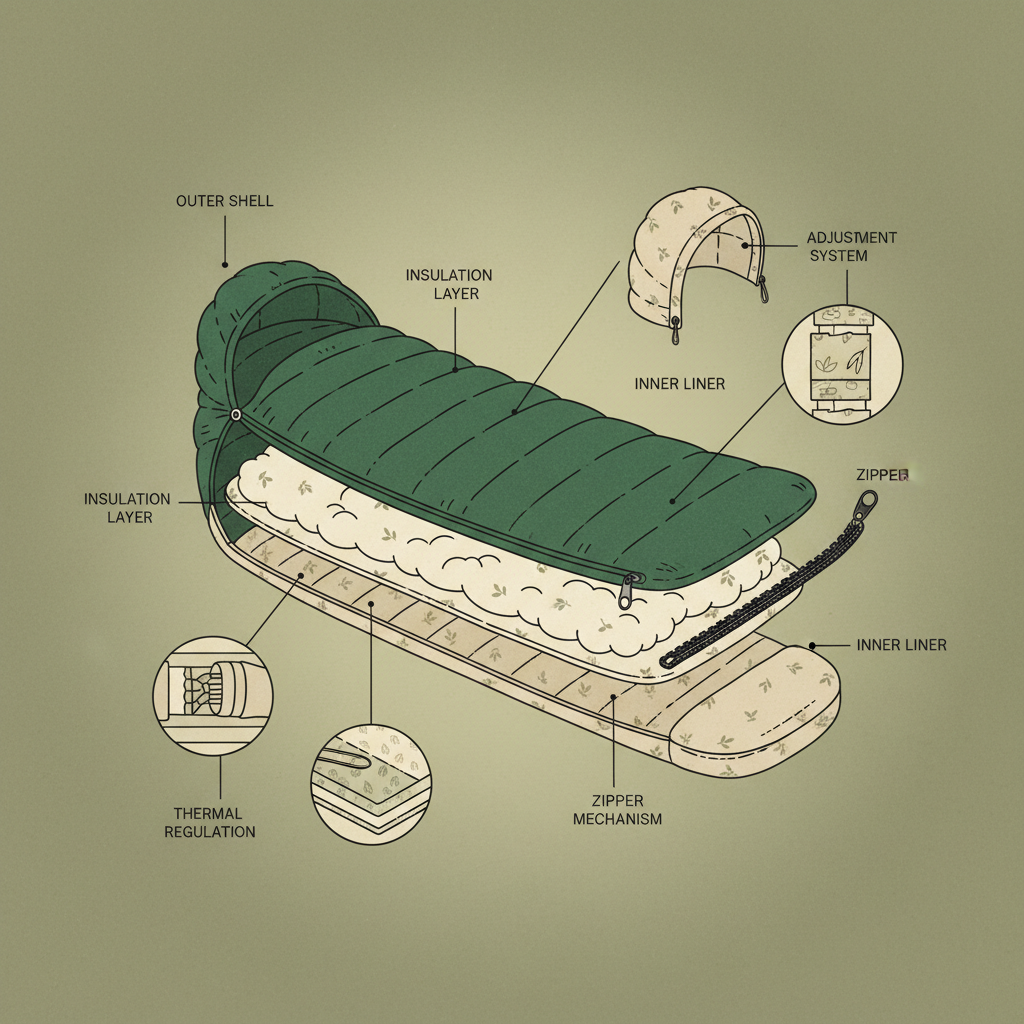
The effectiveness of a custom made picnic blanket relies heavily on the synergy between its layers. A common professional approach involves a dual-layer system: a high-density polyester outer shell and a soft fleece interior. The polyester serves as the primary defense against moisture, preventing ground dampness from seeping through via capillary action, while the polar fleece creates a loft that traps body heat.
Design logic also dictates the weight and dimensions. For instance, a product weighing approximately 0.85kg with dimensions like 11472cm is optimized for portability without sacrificing the necessary volume of insulating material. This balance ensures that the product can be easily stored in a carry bag for hiking or camping while remaining substantial enough to provide a thermal buffer.
Furthermore, the integration of machine-washable materials is a critical design requirement. Since outdoor gear is frequently exposed to dirt and pets, the use of durable synthetic fibers that can withstand gentle mechanical washing ensures a longer product lifecycle and maintains hygiene without degrading the waterproof coating.
Thermal regulation in outdoor textiles is governed by the management of conductive and convective heat loss. When a user or pet rests on the ground, heat is lost rapidly through conduction. To mitigate this, materials must have low thermal conductivity.
The core efficiency of thermal outdoor gear is determined by the 'Air Trap' capability of the inner lining; polar fleece excels here by creating millions of tiny air pockets that inhibit heat transfer, effectively locking in body warmth regardless of the external temperature.
This principle explains why the combination of a wind-blocking outer shell and a high-loft inner lining is superior to a single-layer fabric. By neutralizing both wind-chill (convection) and ground-cold (conduction), these specialized blankets provide a stable thermal environment for the occupant.
To evaluate the quality of outdoor textiles, manufacturers and buyers often look at a relative performance index. This index balances factors such as waterproof rating, thermal retention, weight, ease of cleaning, and versatility.
In a comparative framework, materials like polyester and polar fleece score highly in thermal retention and moisture resistance, making them more suitable for winter camping and pet care than traditional cotton-based fabrics.
The versatility of thermal outdoor gear allows it to transition seamlessly between environments. For pet owners, a specialized sleeping bag like the MDSP302 is not limited to winter camping; it serves as a comfortable crate pad at home or a protective mat in the backyard during cold spells. This multi-functional nature reduces the need for multiple separate products.
Beyond domestic use, these products are essential for activities such as backpacking, hunting, and hiking, where space is limited but the risk of hypothermia or cold stress is high. By providing a dry and warm refuge on wet ground, these textiles ensure that animals and humans alike can endure harsher outdoor conditions.
The trajectory of the home and outdoor textile industry is moving toward sustainable high-performance materials. We are seeing an increase in the use of recycled polyester that maintains the same waterproof and thermal properties as virgin plastics, reducing the environmental footprint of outdoor gear.
Furthermore, the concept of "smart" insulation is emerging, where fabrics are engineered to adapt their breathability based on the occupant's body temperature. While currently limited to high-end technical gear, these principles are gradually trickling down to consumer-grade blankets and pet accessories.
The focus is also shifting toward modularity. Future designs may allow for detachable linings, enabling a single custom made picnic blanket to be converted from a light summer mat to a heavy-duty winter sleeping system.
Choosing between a standard mat and a customized thermal solution requires an analysis of the intended environment. For dry, warm-weather outings, a simple polyester mat is sufficient. However, for winter use or damp terrains, a layered approach is non-negotiable.
When evaluating providers, it is important to look for manufacturers with a specialization in outdoor gear, such as Hebei Aoxin Technology Co., Ltd., which focuses on the integration of design and functionality for sleeping bags and tents.
The following framework provides a relative assessment of different textile solutions based on common outdoor requirements.
| Requirement | Standard Picnic Mat | Thermal Pet Bag | Technical Sleeping Bag |
|---|---|---|---|
| Ground Dampness | Low Resistance | High Resistance | Maximum Resistance |
| Thermal Retention | Negligible | Moderate to High | Maximum |
| Portability | Excellent | Good (Carry Bag) | Moderate |
| Ease of Cleaning | High | High (Machine Wash) | Moderate |
| Primary Use Case | Summer Parks | Pet Winter Travel | Extreme Camping |
| Material Focus | Single-layer Poly | Poly + Fleece | Multi-layer Synthetic |
The primary difference lies in the construction. A standard mat is typically a single layer of waterproof material designed to block moisture. A thermal version, often a custom made picnic blanket, integrates an insulating layer—such as polar fleece—that traps air and body heat, providing a thermal barrier against cold ground conduction.
Yes, for most general outdoor activities. Polyester provides the necessary waterproof and wind-resistant outer shell, while polar fleece offers high warmth-to-weight ratios and softness. Together, they create a durable, machine-washable, and thermally efficient environment for pets in winter.
Measure your pet from the nose to the base of the tail while they are lying down. The bag should be large enough to allow them to curl up comfortably without excessive empty space, as too much room can lead to heat loss. For instance, a 11472cm bag is suitable for medium-sized dogs.
While highly effective for autumn and mild winter conditions, materials like polar fleece have limits. For extreme sub-zero temperatures, these should be used as part of a layering system, perhaps combined with an additional insulated pad or a high-altitude rated sleeping bag.
To maintain the waterproof properties of the polyester shell and the loft of the fleece, use a gentle machine wash cycle with mild detergents. Avoid high-heat drying, which can damage synthetic fibers; instead, lay the item flat to air dry in a shaded area.
Customized solutions allow for specific material pairings (like choosing a thicker fleece for colder climates) and precise sizing. This ensures better thermal efficiency and fit, which ultimately increases the product's lifespan and the user's comfort compared to one-size-fits-all alternatives.
The transition from simple leisure mats to engineered thermal textiles marks a significant improvement in how we experience the outdoors. By prioritizing the combination of waterproof polyester and insulating fleece, manufacturers are providing essential protection against the elements for both humans and pets.
Whether investing in a specialized pet sleeping bag or a custom made picnic blanket, the focus should always remain on the technical specifications—material density, thermal loft, and ease of maintenance—to ensure a reliable and comfortable outdoor experience.