High-Performance picnic blanket Solutions for Hungary Outdoor Market

Engineering precision-crafted textile gear designed for the diverse climatic challenges of the Hungarian landscape, from Lake Balaton shores to the Bükk Mountains.

High-Performance picnic blanket Solutions for Hungary Outdoor Market

Specializing in industrial-grade home textile manufacturing, we provide professional outdoor gear including waterproof blankets and thermal sleeping systems tailored for Central European standards.

Current State of Outdoor Textiles in Hungary

Analyzing the intersection of textile manufacturing and the Hungarian outdoor leisure trend.

The Hungarian market is currently experiencing a surge in outdoor recreation, driven by a growing preference for domestic tourism in regions like the Danube Bend. This has increased the demand for high-quality picnic rug products that can withstand varying humidity levels and soil types characteristic of the Pannonian Basin.

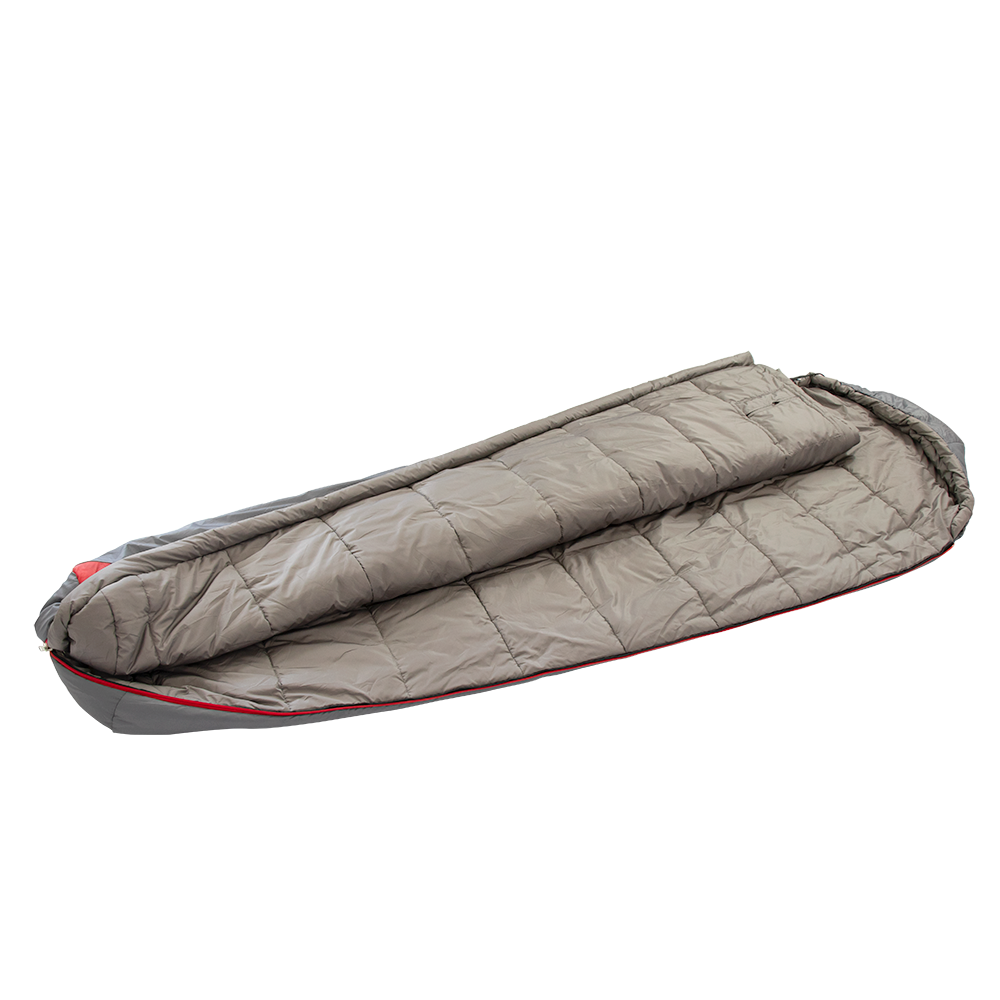
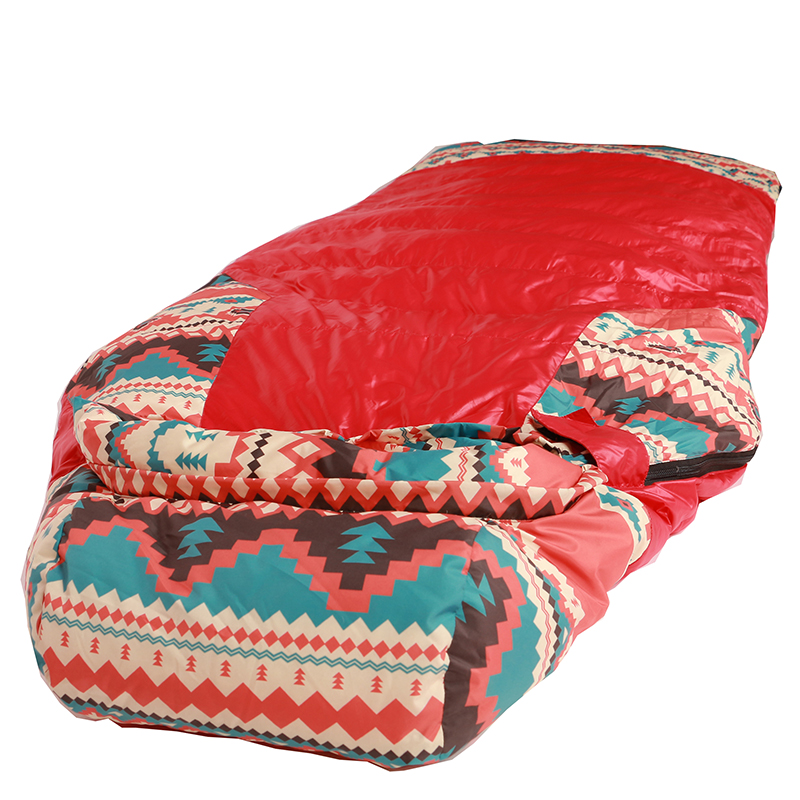
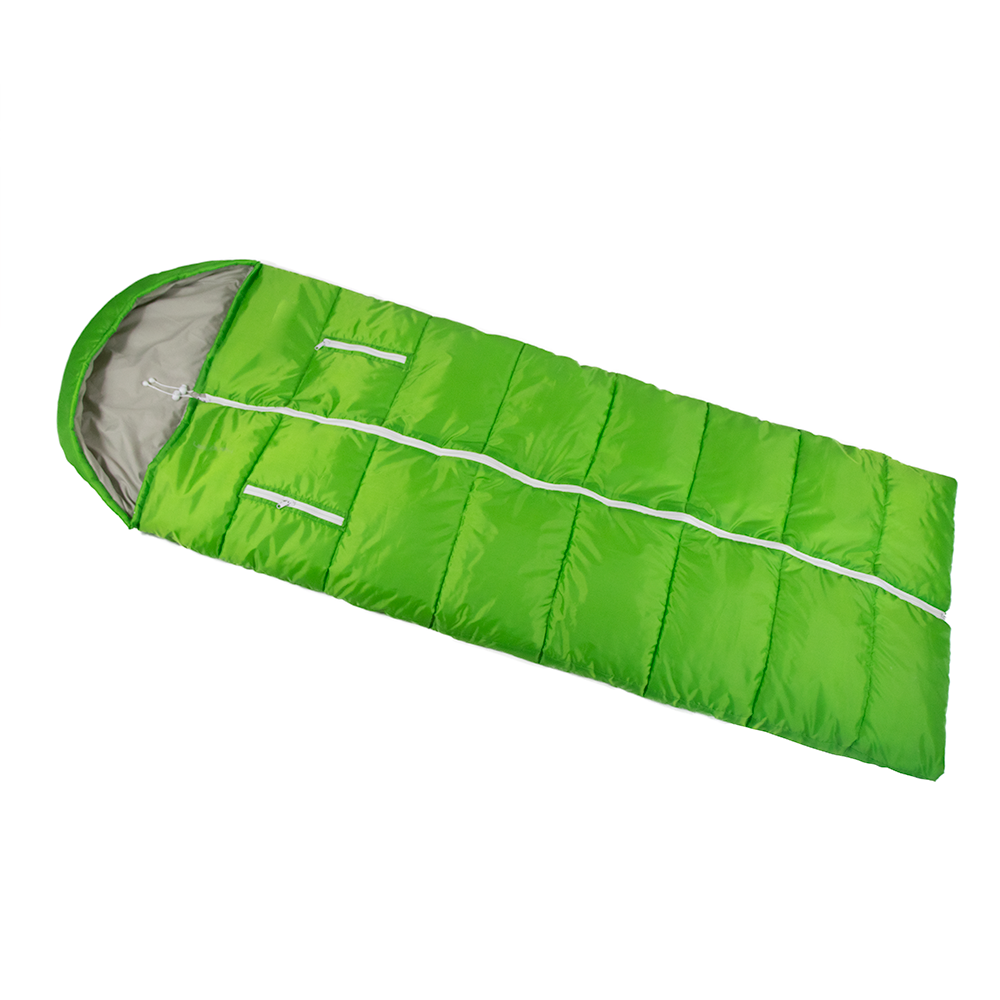
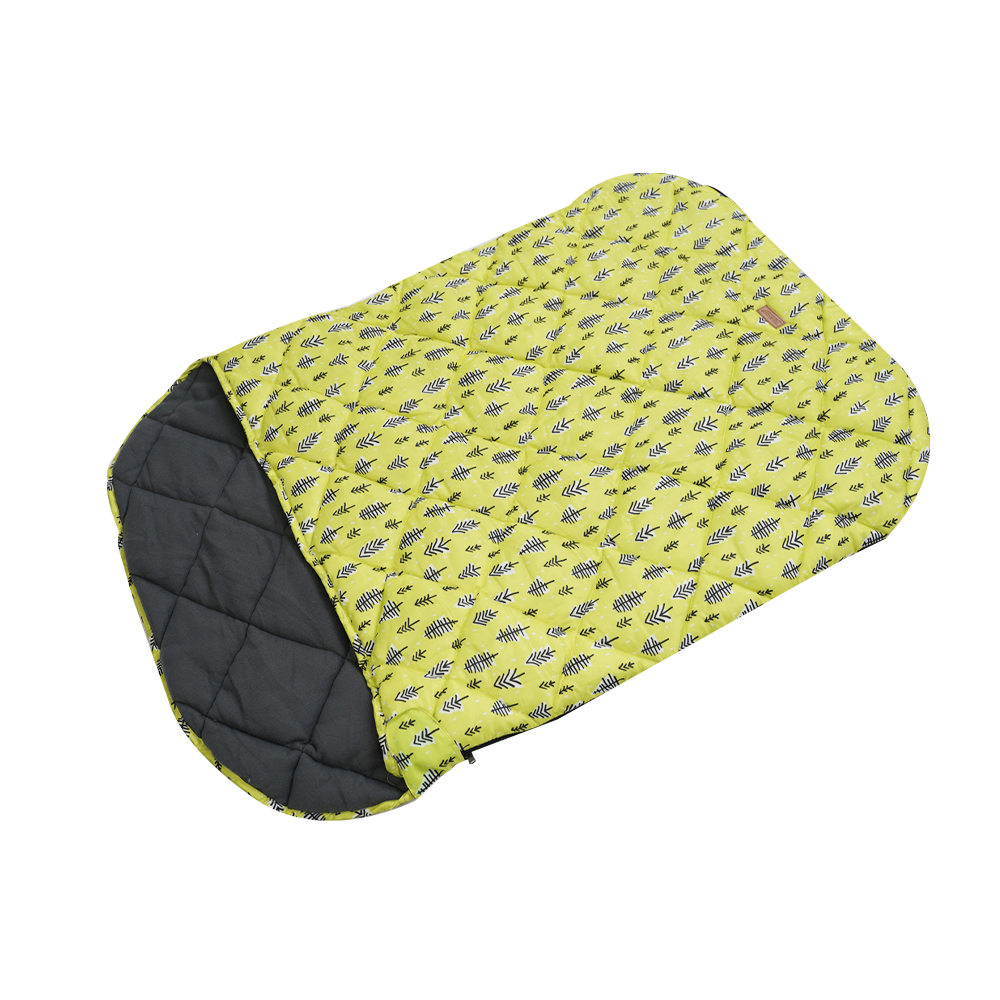
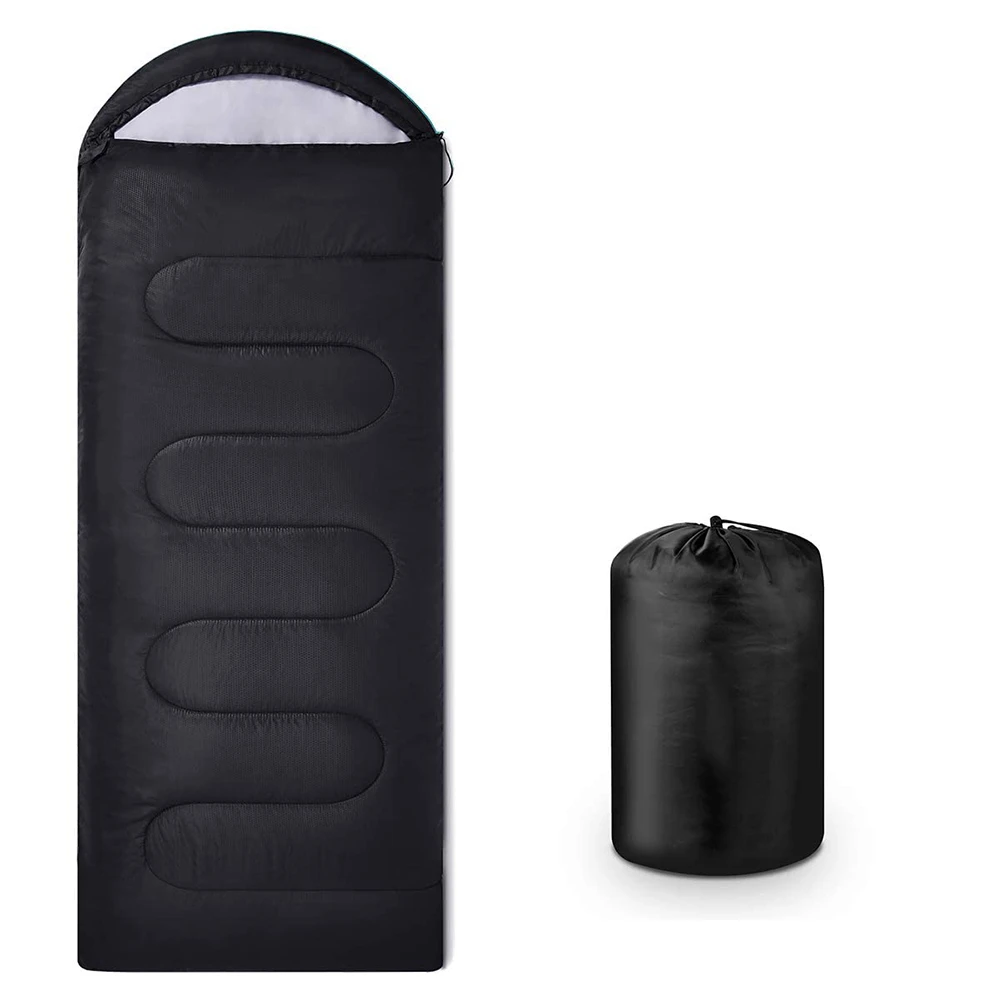
From a manufacturing perspective, there is a critical shift toward "Technical Textiles." Local consumers are no longer satisfied with basic fabrics; they require advanced moisture-wicking and thermal insulation, especially for a camping sleeping bag capable of handling the sharp temperature drops in the Carpathian foothills during autumn.

Furthermore, the integration of sustainable materials is becoming a regulatory and consumer priority in Hungary. The transition from traditional polyester to recycled polymers in the production of outdoor camping tents is now a competitive necessity to align with EU environmental directives.
Evolution of Hungarian Outdoor Textile Manufacturing

From traditional weaving to high-tech polymer engineering.

Market Development History

In the late 20th century, the Hungarian textile industry focused primarily on heavy-duty cotton and wool blends, providing basic insulation for rural activities. These early iterations were durable but lacked the portability required for modern camping.

Between 2005 and 2015, the industry underwent a "Synthetic Revolution," introducing nylon and ripstop fabrics. This era saw the rise of the lightweight sleeping bag, utilizing hollow-fiber filling to improve the warmth-to-weight ratio for hikers in the Mátra mountains.

From 2016 to the present, the focus has shifted toward "Smart Textiles." Modern manufacturing now employs TPU lamination and heat-sealed seams, ensuring that equipment like the picnic blanket is 100% waterproof and antimicrobial.

Future Development Trends

Biodegradable Membrane Technology

Moving toward 2028, we expect a total phase-out of PFAS-based water repellents in favor of plant-based DWR coatings to protect Hungarian forests.

Adaptive Thermal Regulation

Integration of phase-change materials (PCM) into sleeping systems to automatically adjust temperature based on the wearer's body heat.

Ultralight Carbon-Fiber Frameworks

The next generation of shelter systems will utilize carbon-polymer composites to reduce weight by 30% without sacrificing structural integrity.

Industry Trends and Future Outlook

Strategizing the next leap in outdoor textile performance for the EU market.

Circular Economy Integration
Implementing closed-loop recycling where old textiles are reprocessed into new high-density yarns.
Nanotechnology Coatings
Applying nano-scale hydrophobic layers that prevent staining and water penetration without affecting breathability.
Modular Design Logic
Developing interchangeable components for gear to extend product lifecycles and reduce waste.
Digital Textile Integration
Utilizing AI-driven heat mapping to optimize the filling distribution in thermal gear.

Industry Outlook

Google search trends in the EU indicate a sharp rise in "eco-friendly camping" and "minimalist outdoor gear." For the Hungarian market, this translates to a demand for multi-functional products—such as a picnic blanket that also serves as a lightweight emergency shelter.

We predict that the next 3-5 years will see the convergence of home textile comfort with extreme outdoor durability, blurring the lines between domestic leisure and professional exploration.

Localized Application Scenarios in Hungary

Real-world utility of our textile solutions across Hungarian terrains.

1. Lake Balaton Summer Picnics

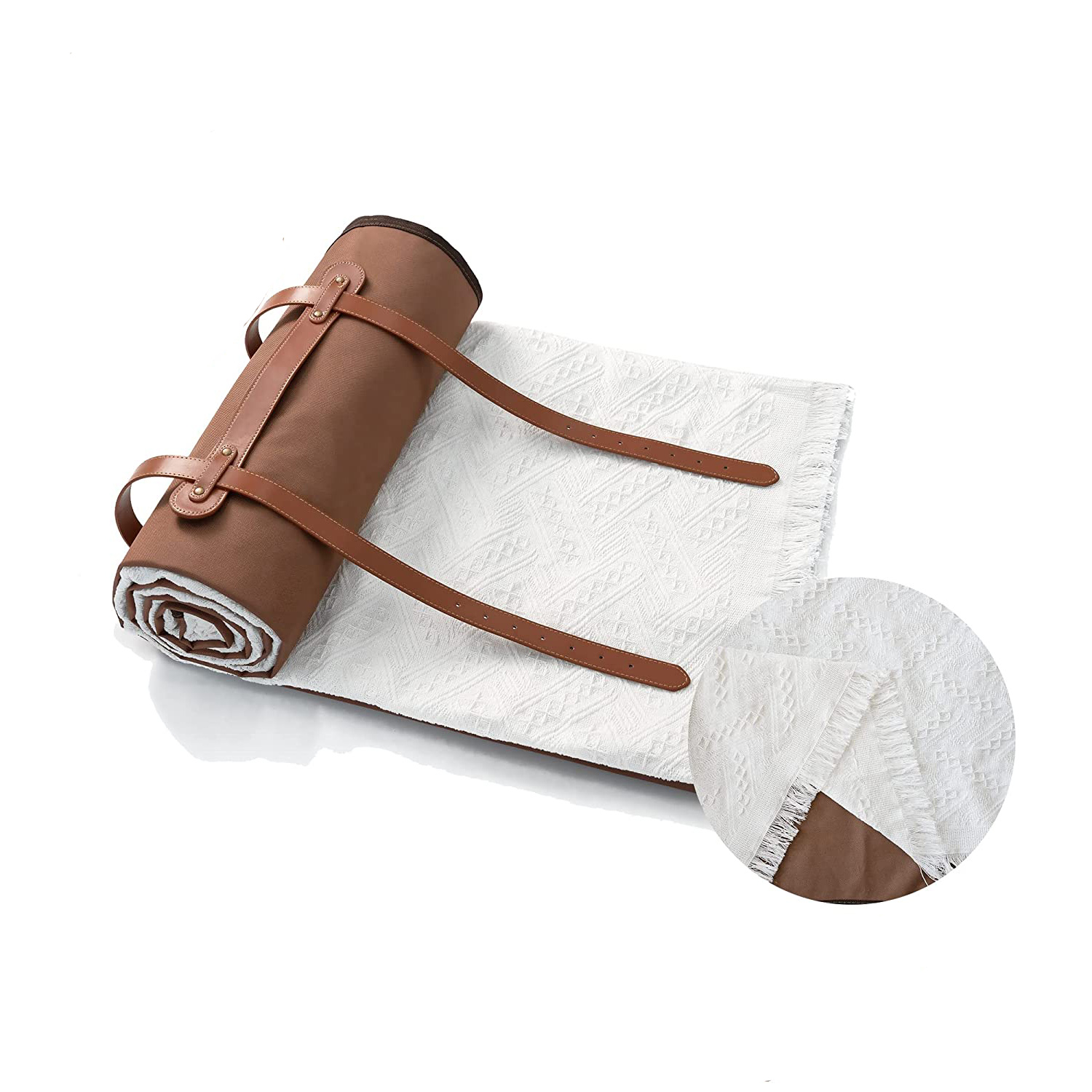
Utilizing our waterproof picnic rug to provide a dry, sand-free lounging area on the pebbly shores of Balaton, resisting moisture from the lakeside soil.

2. Bükk Mountains Overnight Trekking

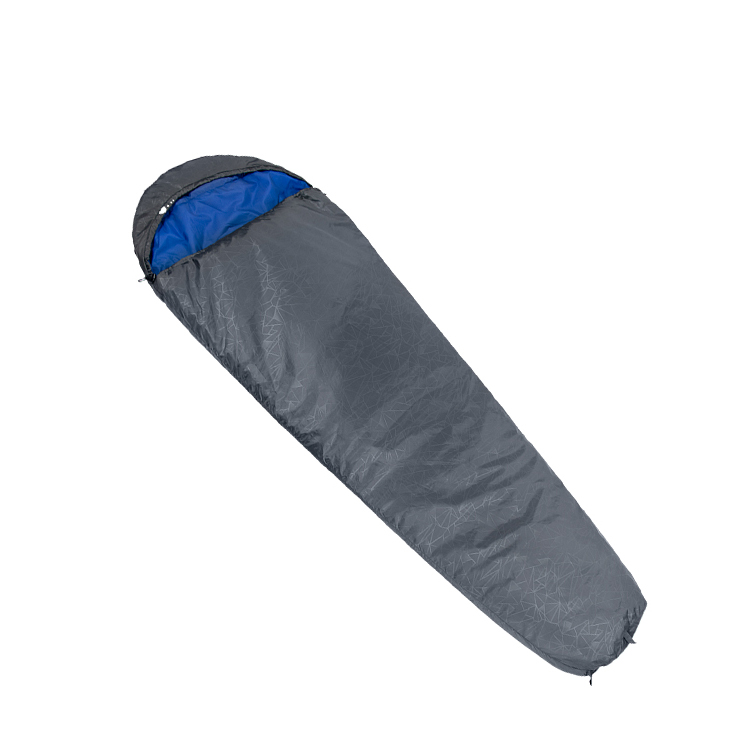
Deploying a high-thermal camping sleeping bag to ensure survival and comfort during unexpected temperature drops in the dense forests of the Bükk National Park.

3. Hortobágy Plains Family Camping

Setting up durable outdoor camping tents that offer superior UV protection and wind resistance against the open gusts of the Great Hungarian Plain.

4. Budapest City Park Leisure

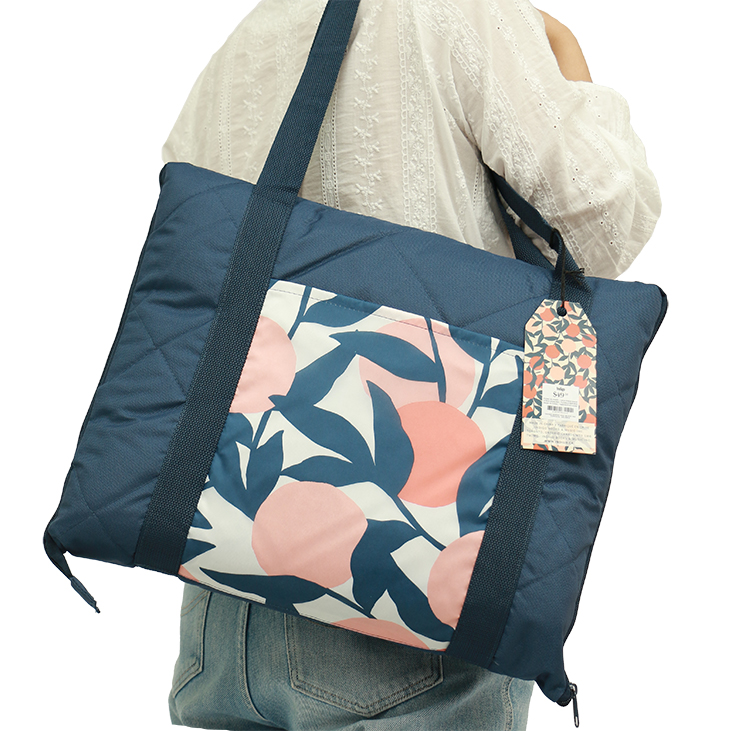
Compact and stylish picnic blanket sets for urban dwellers enjoying the greenery of Városliget, emphasizing portability and aesthetic design.

5. Winter Exploration in the Carpathians

Using professional-grade thermal liners and reinforced shells for extreme cold-weather camping, ensuring heat retention in sub-zero temperatures.

Brand Story

Global Development Journey of Hebei Runtang Trade Co., Ltd.

Industrial Foundations

Our journey began with a commitment to mastering the core physics of textile weaving, focusing on high-density fabrics that form the basis of all outdoor gear.

Technical Specialization

We solved the critical pain point of "moisture seepage" by developing proprietary TPU lamination processes for waterproof outdoor textiles.

European Expansion

By aligning our manufacturing standards with EU REACH and OEKO-TEX certifications, we successfully entered the demanding Central European market.

Innovation Milestone

The launch of our "Eco-Shield" series marked our transition toward sustainable, recycled materials without compromising on industrial strength.

Global Leadership

Today, we stand as a leading partner for outdoor brands worldwide, merging traditional craftsmanship with future-ready textile engineering.

Frequently Asked Questions - Hungary Market

Expert answers to common technical queries regarding outdoor textiles.

What is the best filling for a camping sleeping bag in the Hungarian winter?

For Hungarian winters, we recommend high-loft synthetic fibers or 600+ fill power down, ensuring the bag can maintain warmth even in damp conditions typical of the region.

How to maintain a waterproof picnic blanket for long-term use?

Avoid machine drying on high heat. We recommend wiping the TPU layer with a damp cloth and air-drying in the shade to preserve the waterproof membrane's integrity.

Are your outdoor camping tents resistant to strong winds in the Great Plain?

Yes, our tents utilize an aerodynamic dome structure and reinforced ripstop polyester, specifically tested to withstand the wind gusts common in open Hungarian landscapes.

What makes a professional picnic rug different from a standard blanket?

Professional rugs feature a multi-layer construction: a soft fleece top for comfort and a laminated PE/TPU bottom to prevent ground moisture from soaking through.

Which sleeping bag shape is best for hiking in the Bükk Mountains?

A mummy-shaped bag is ideal for trekking as it minimizes dead air space, maximizing heat retention and reducing pack weight for steep climbs.

Do your textile products comply with European eco-standards?

Absolutely. All our materials are processed to meet EU environmental regulations, ensuring they are free from harmful chemicals and safe for the Hungarian ecosystem.

Ready to Elevate Your Outdoor Gear?

Partner with the leading textile manufacturer for premium outdoor solutions in Hungary.

Contact Us Now

If you are interested in our products, you can choose to leave your information here, and we will be in touch with you shortly.