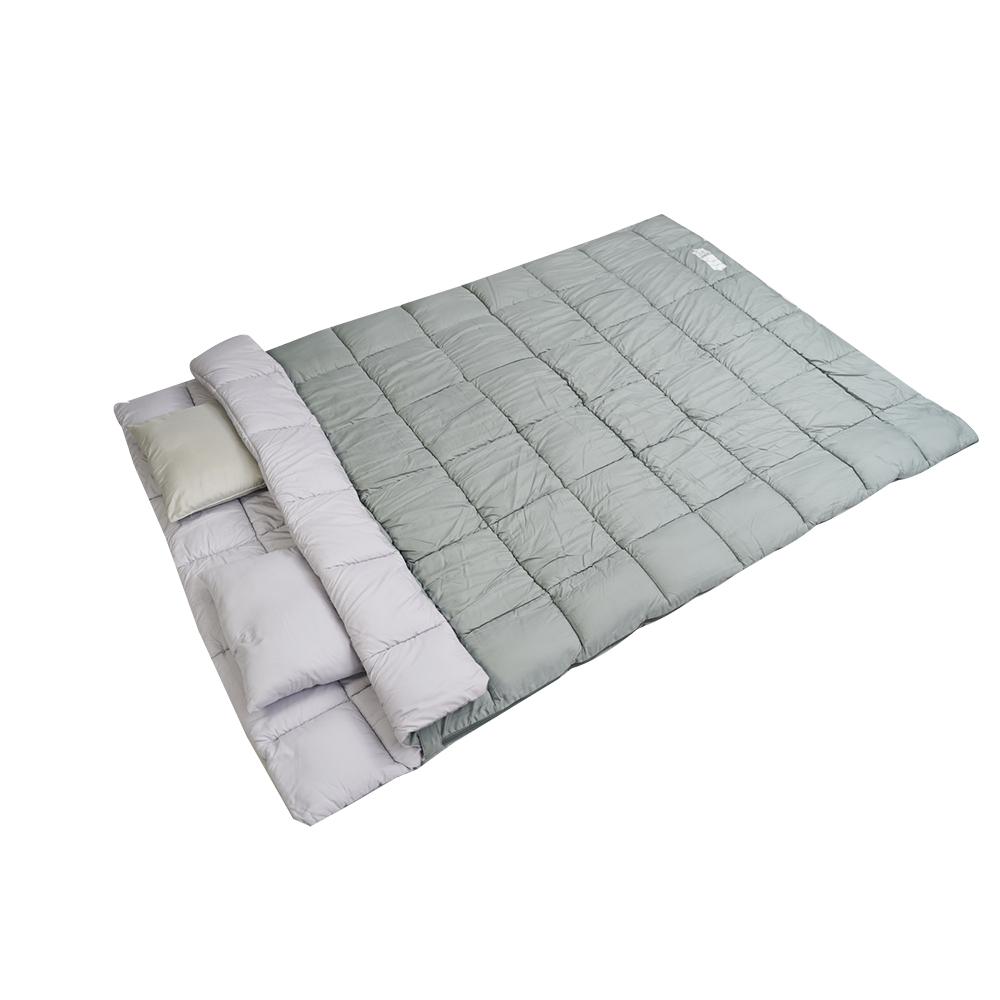
High-Performance picnic blanket Solutions for Poland

Advanced textile manufacturing delivering professional-grade outdoor gear tailored for the Polish climate and terrain.

High-Performance picnic blanket Solutions for Poland

Integrating industrial-grade textile durability with ergonomic design to provide the ultimate outdoor experience across Poland's diverse landscapes.

The State of Outdoor Textile Manufacturing in Poland

Analyzing the demand for technical fabrics in Central Europe's growing camping market.

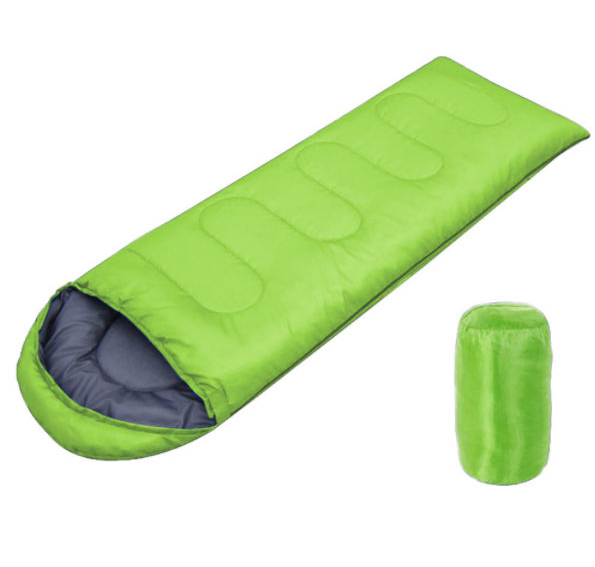
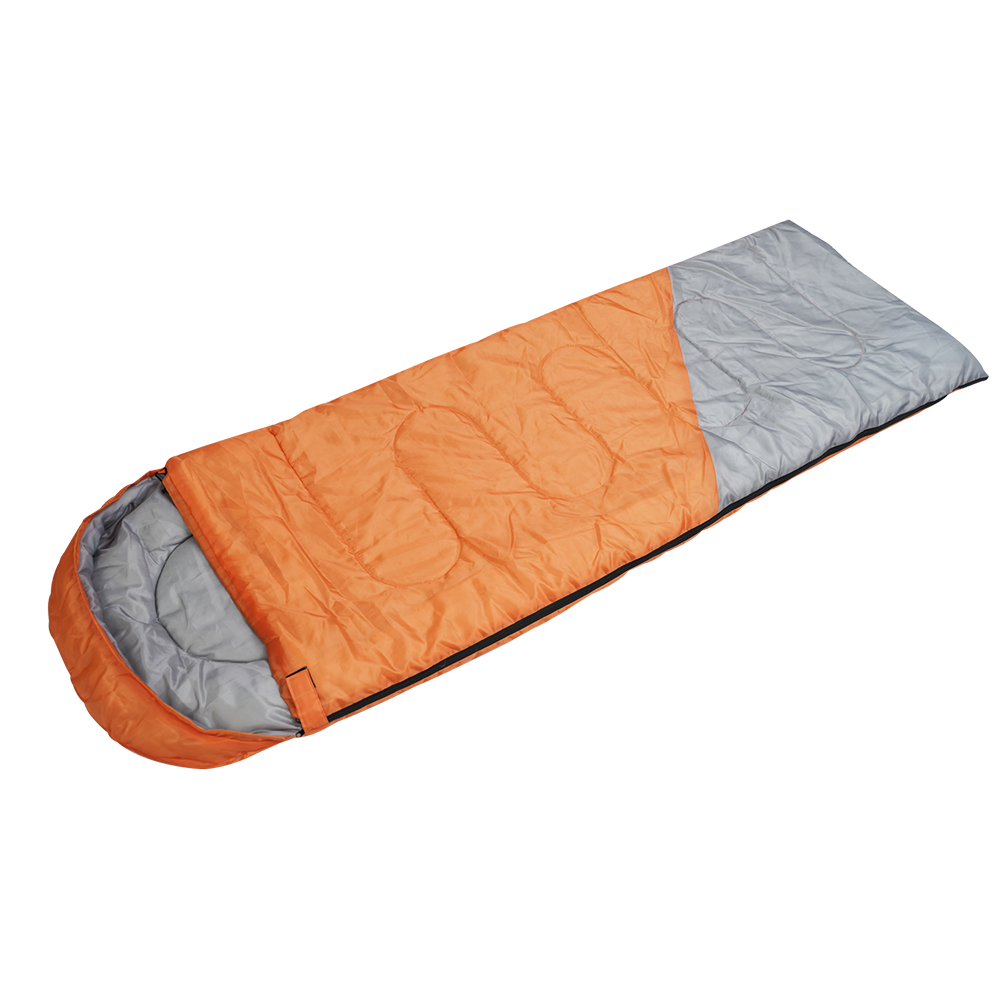
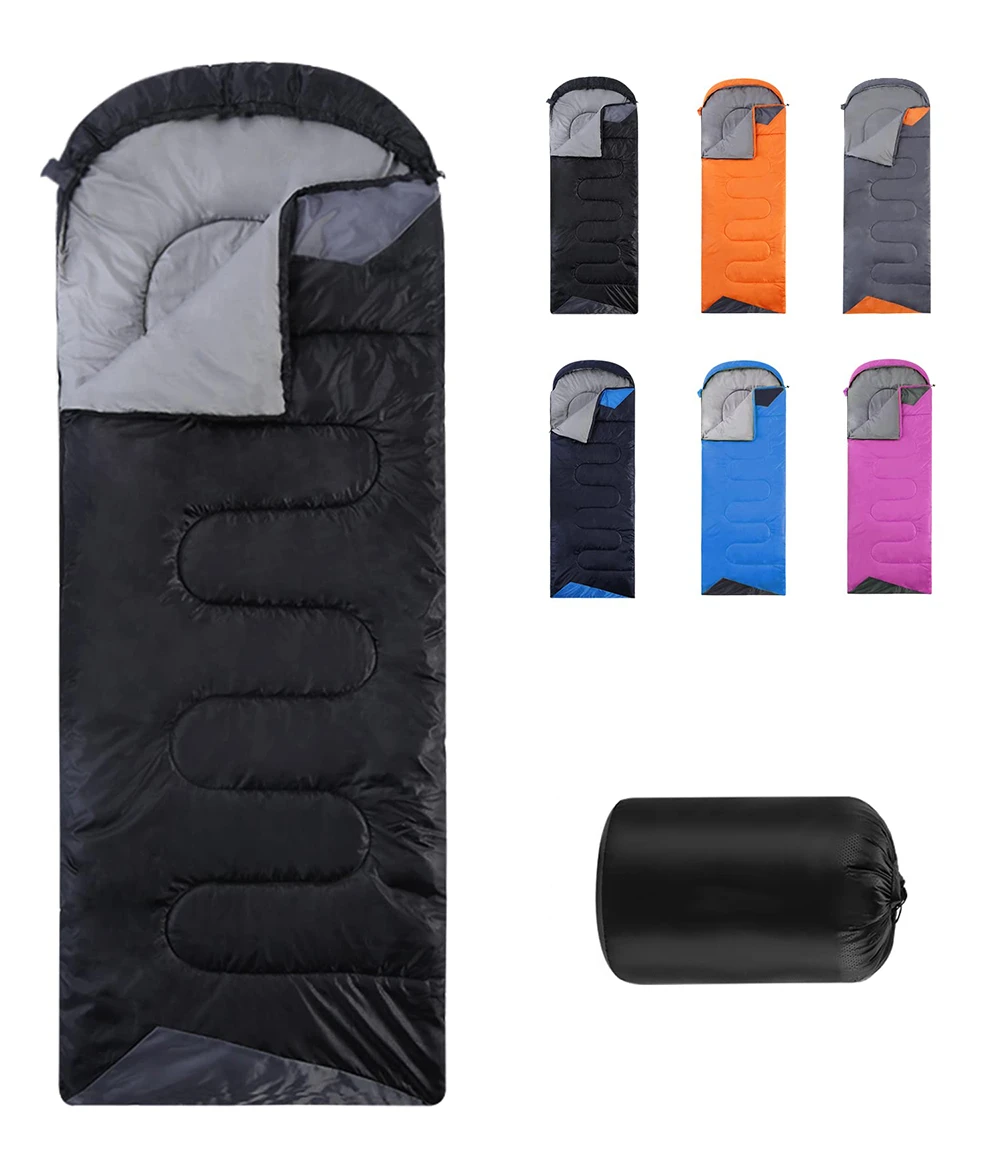
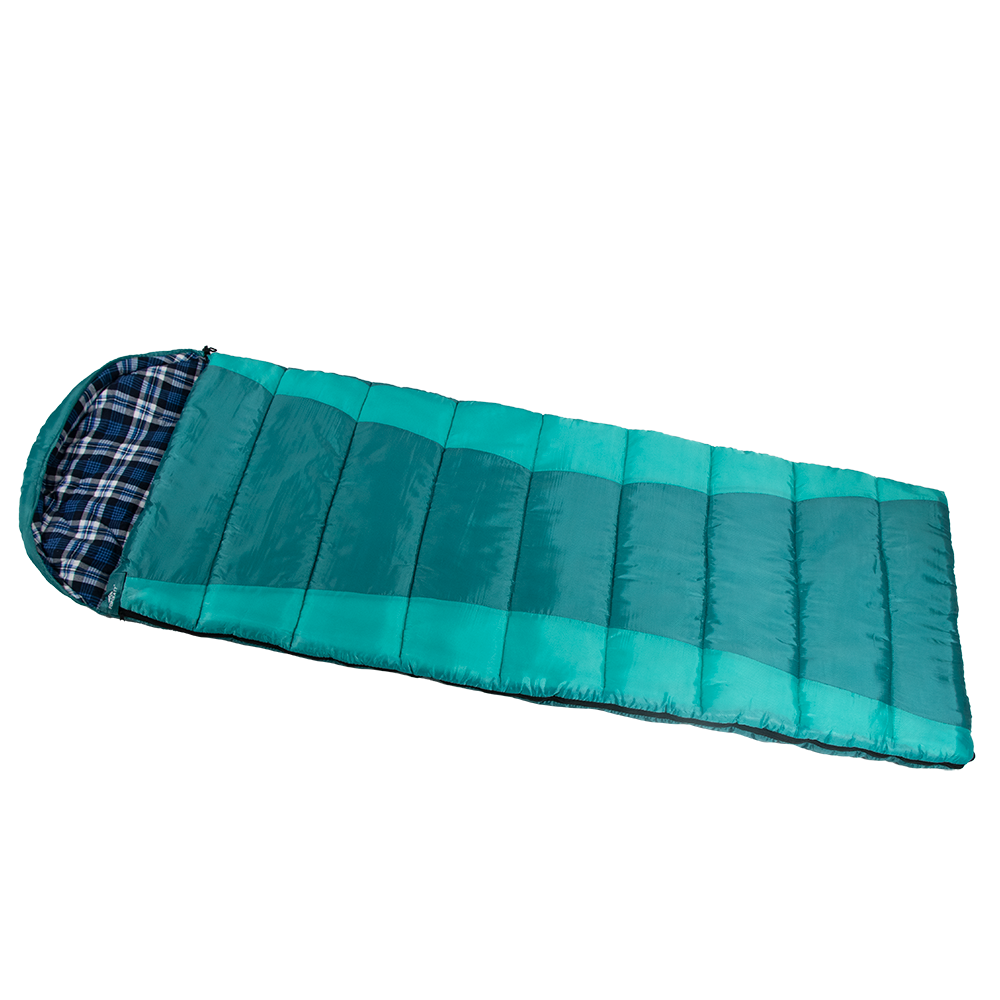
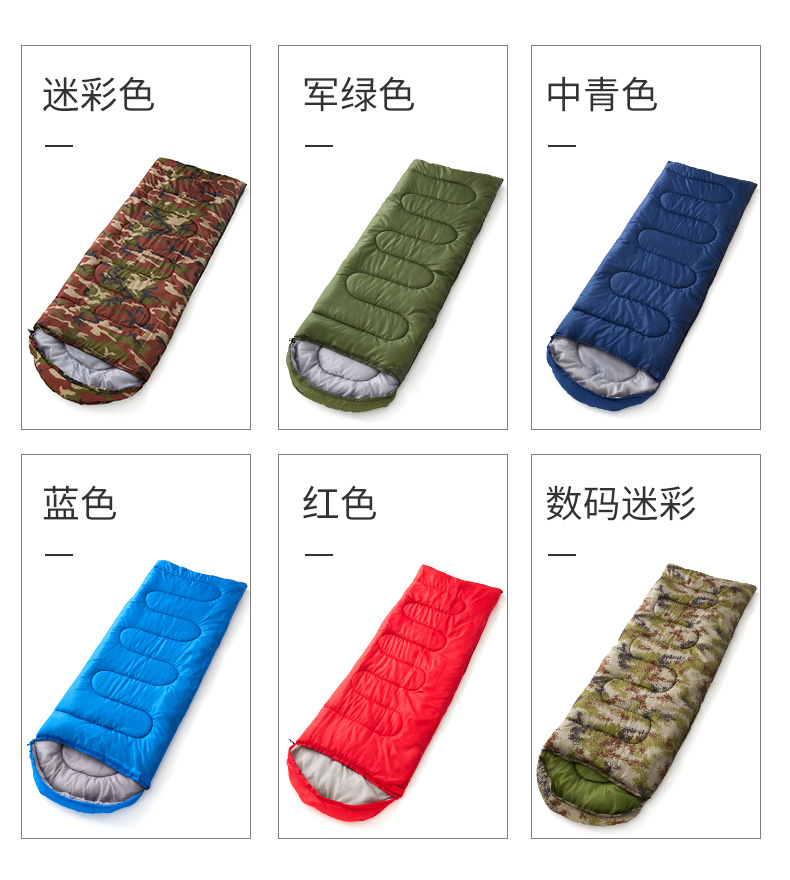
Poland's geographic diversity, from the Baltic coast to the Tatra Mountains, creates a high demand for versatile outdoor gear. The current market for a sleeping bag is heavily influenced by the region's drastic seasonal temperature swings, requiring textiles that offer both breathability and extreme thermal insulation.

In urban hubs like Warsaw and Kraków, there is a surging trend in "micro-adventures," driving the mass adoption of the picnic rug for city park leisure. Manufacturers are now shifting from basic polyester to hybrid recycled fibers to meet the strict EU environmental regulations and the Polish consumer's preference for sustainability.

Furthermore, the professional outdoor sector in Poland is upgrading its infrastructure. The transition toward lightweight, ripstop materials for outdoor camping tents reflects a broader European shift toward "fast and light" trekking, pushing textile factories to innovate in waterproof-breathable membrane technologies.
Evolution and Trajectory of Technical Textiles

From traditional heavy cottons to smart, weather-responsive fabrics.

Market Development History

Prior to 2010, the Polish market was dominated by heavy, water-absorbent cotton textiles. These traditional materials were durable but failed in the humid conditions of the Polish forests, often leading to slow drying times and mold issues for early camping gear.

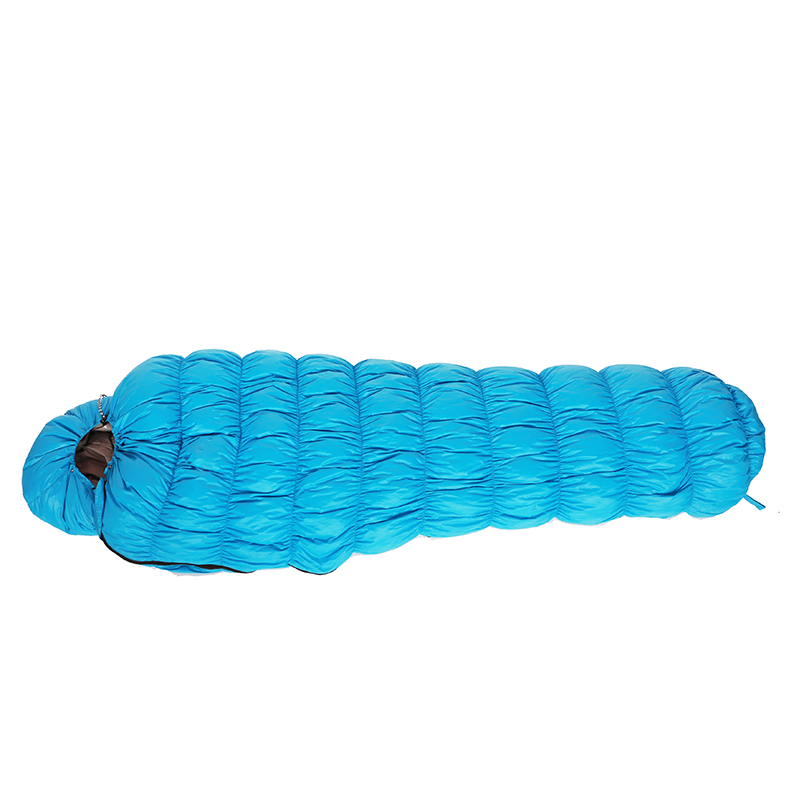
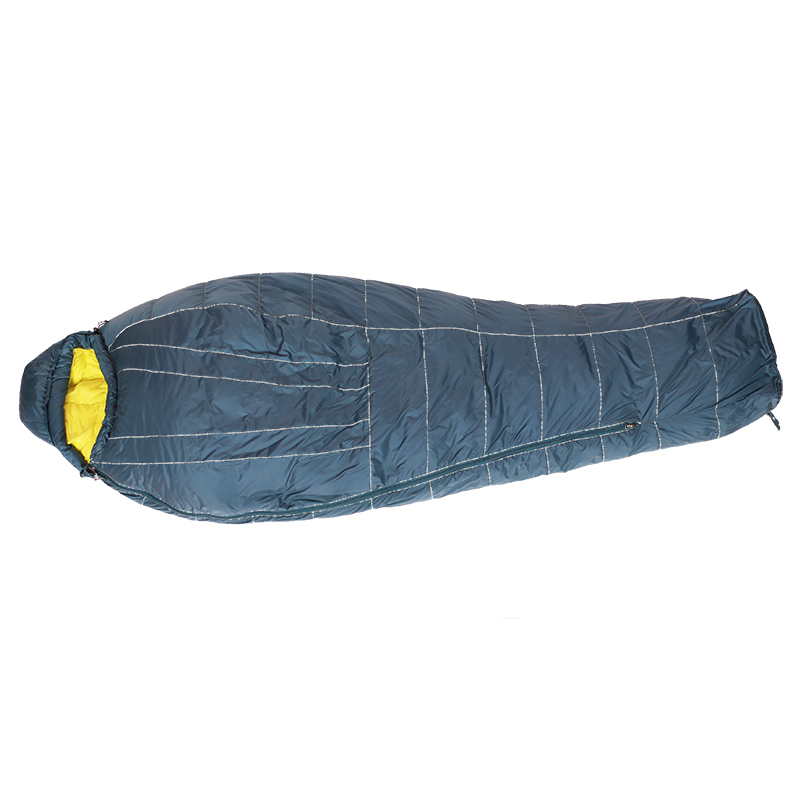
Between 2010 and 2020, the industry saw a "Synthetic Revolution." The introduction of high-denier nylon and hollow-fiber fills transformed the camping sleeping bag, drastically reducing weight while increasing the warmth-to-weight ratio to meet alpine standards.

From 2020 to the present, the focus has shifted toward "Eco-Performance." We are seeing a convergence of recycled PET plastics and PFC-free DWR (Durable Water Repellent) coatings, ensuring that high-performance gear no longer comes at an environmental cost.

Future Development Trends

Bio-Based Polymer Integration

The next 3 years will see a transition from petroleum-based polyesters to bio-based polymers derived from corn or castor oil, reducing the carbon footprint of textile production.

Phase-Change Material (PCM) Technology

Future textiles will incorporate PCMs that absorb and release heat based on skin temperature, creating "intelligent" thermal regulation for extreme weather.

Nanofiber Waterproofing

Moving beyond traditional membranes, nanofiber electrospinning will allow for higher moisture vapor transmission rates (MVTR) without sacrificing waterproof integrity.

Industry Trends and Future Outlook

Predicting the next wave of innovation in the European outdoor textile sector.

Circular Economy Loop
Implementing closed-loop recycling where old textiles are chemically broken down to create virgin-quality fibers.
Hyper-Lightweighting
Reducing the weight of outdoor camping tents by 30% using ultra-high-molecular-weight polyethylene.
Antimicrobial Coatings
Integration of silver-ion or graphene coatings to prevent odor and bacterial growth in long-term camping gear.
Modular Design
Creating interchangeable textile components to extend the lifecycle of products and simplify repairs.

Industry Outlook

Google search trends in Poland show a 25% year-over-year increase in "sustainable camping" and "eco-friendly outdoor gear." This indicates a paradigm shift where consumers no longer prioritize cost over environmental impact. We expect a surge in demand for certified organic and recycled textile certifications (like GRS).

The future of the industry lies in "Smart Textiles." Within 5 years, we anticipate the integration of conductive fibers into outdoor gear, allowing for integrated heating elements and health monitoring sensors, blending the line between apparel and wearable technology.

Localized Application Scenarios in Poland

How our textile solutions perform in real-world Polish environments.

01. Tatra Mountain High-Altitude Trekking

Using ultra-thermal sleeping bag technology to ensure survival and comfort in sub-zero temperatures during winter ascents in Zakopane.

02. Masurian Lake District Summer Retreats

Deploying water-resistant and sand-proof picnic blanket solutions for lakeside relaxation, preventing moisture seepage from damp soil.

03. Białowieża Forest Wilderness Camping

Utilizing heavy-duty, puncture-resistant outdoor camping tents to protect against dense undergrowth and unpredictable woodland rainfall.

04. Warsaw City Park Weekend Picnics

Compact, foldable picnic rug options designed for urban commuters who require portability without sacrificing surface area.

05. Baltic Coast Windy Beach Gatherings

Wind-stabilized textile anchoring systems for beach gear, ensuring that picnic equipment remains stationary despite strong Baltic sea breezes.

Brand Story

Global Development Journey of Hebei Yuntang Trade Co., Ltd.

The Industrial Foundation

Started as a specialized textile mill focusing on high-density weaves, solving the core problem of fabric durability in harsh environments.

Technical Diversification

Expanded into technical coatings and waterproof membranes, bridging the gap between industrial textiles and consumer outdoor gear.

European Market Entry

Established strategic supply chains in Europe, adapting manufacturing processes to meet EU REACH and OEKO-TEX standards.

Sustainability Pivot

Invested in recycled fiber technology to eliminate waste, transforming the production cycle of every camping product.

Global Innovation Leader

Currently leading the industry in providing tailored, high-performance outdoor textile solutions for professional markets worldwide.

Frequently Asked Questions for the Polish Market

Expert answers to common technical queries regarding outdoor textiles.

What is the ideal temperature rating for a camping sleeping bag in the Polish winter?

For winter camping in regions like the Tatras, we recommend a comfort rating of at least -10°C to -20°C, utilizing high-loft synthetic or down fills.

Are your picnic blanket materials resistant to the dampness of Polish meadows?

Yes, our blankets feature a PEVA or TPU waterproof backing that prevents ground moisture from penetrating the fabric, keeping you dry.

How do outdoor camping tents handle the strong winds of the Baltic coast?

Our tents use reinforced ripstop nylon and aerodynamic profiles to reduce wind drag, paired with high-tensile guy lines for maximum stability.

Can a picnic rug be easily cleaned after use in sandy beach environments?

Absolutely. Our fabrics are engineered with low-friction surfaces that allow sand to be shaken off easily or cleaned with a damp cloth.

What makes a professional camping sleeping bag different from a standard one?

Professional models feature optimized baffle construction to prevent cold spots and use higher denier shell fabrics for superior tear resistance.

Do your outdoor textile solutions comply with EU environmental standards?

Yes, all our products are manufactured to comply with EU REACH regulations and prioritize PFC-free water repellents for environmental safety.

Request Professional Textile Consulting

Partner with the leading outdoor manufacturing experts for high-scale distribution in Poland.

Contact Us Now

If you are interested in our products, you can choose to leave your information here, and we will be in touch with you shortly.