Premium Outdoor Camping Tents Solutions for Norway's Rugged Terrain

Engineered for extreme Nordic climates, our high-performance textile solutions ensure warmth, durability, and comfort in the heart of Scandinavia.

Premium Outdoor Camping Tents Solutions for Norway's Rugged Terrain

Providing professional-grade textile manufacturing for the Norwegian outdoor market, specializing in thermal efficiency and weather resistance.

The State of Outdoor Textile Manufacturing in Norway

Analyzing the intersection of extreme weather requirements and sustainable manufacturing.

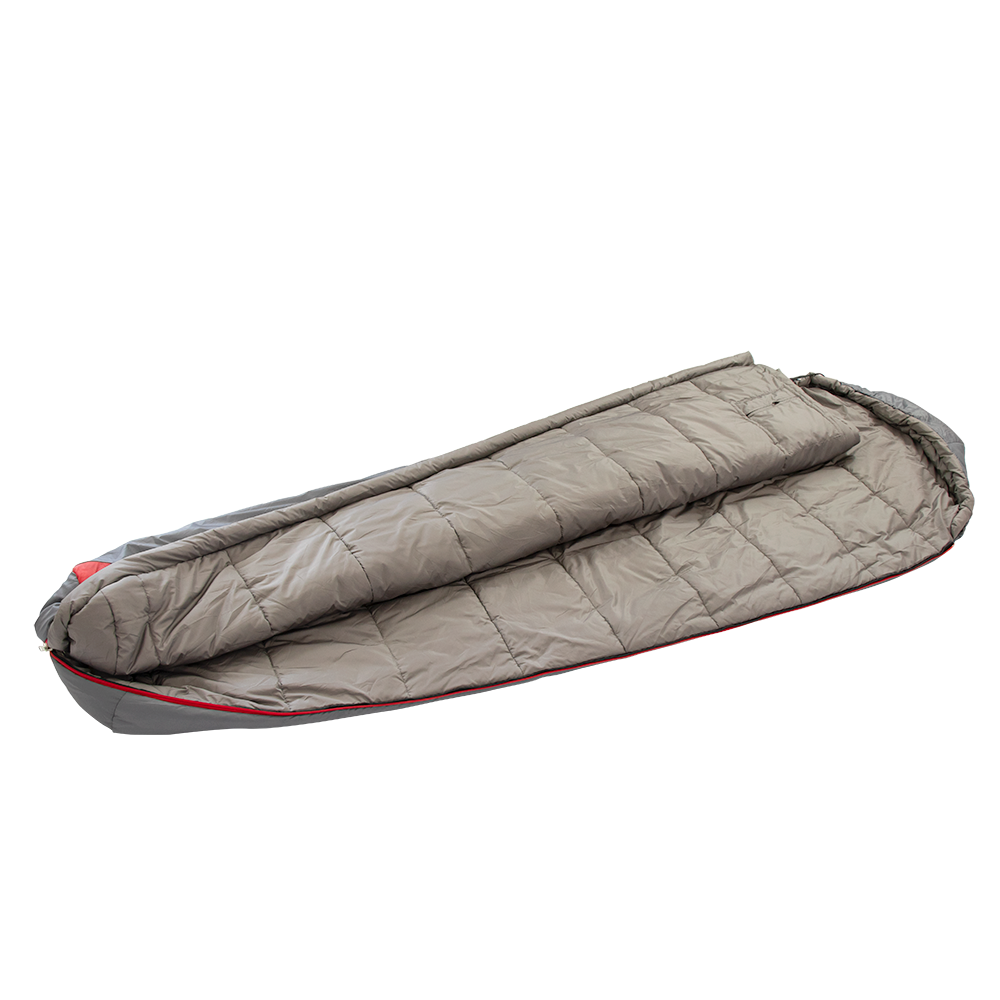
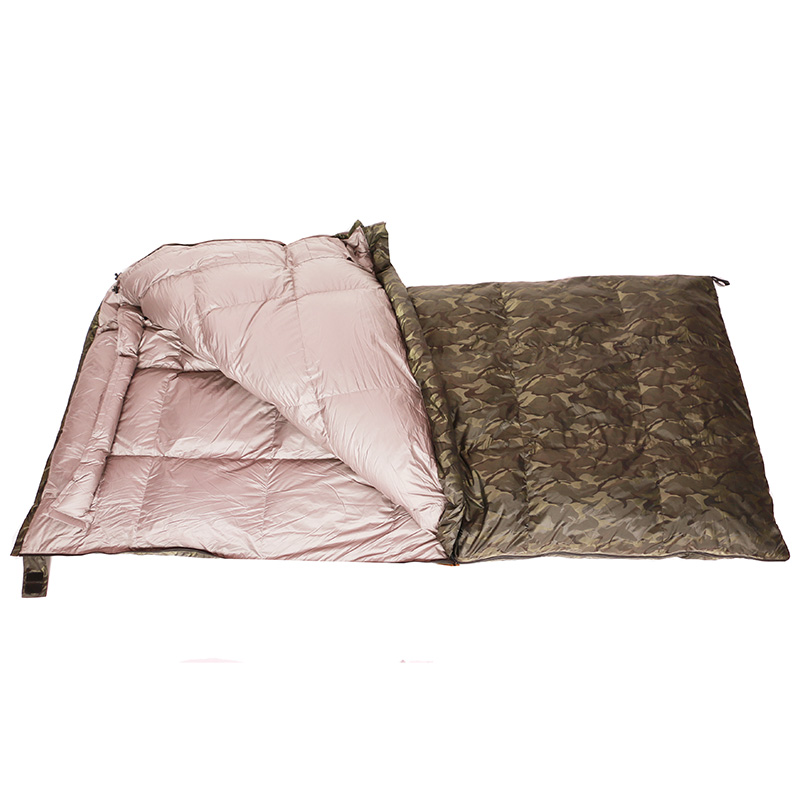
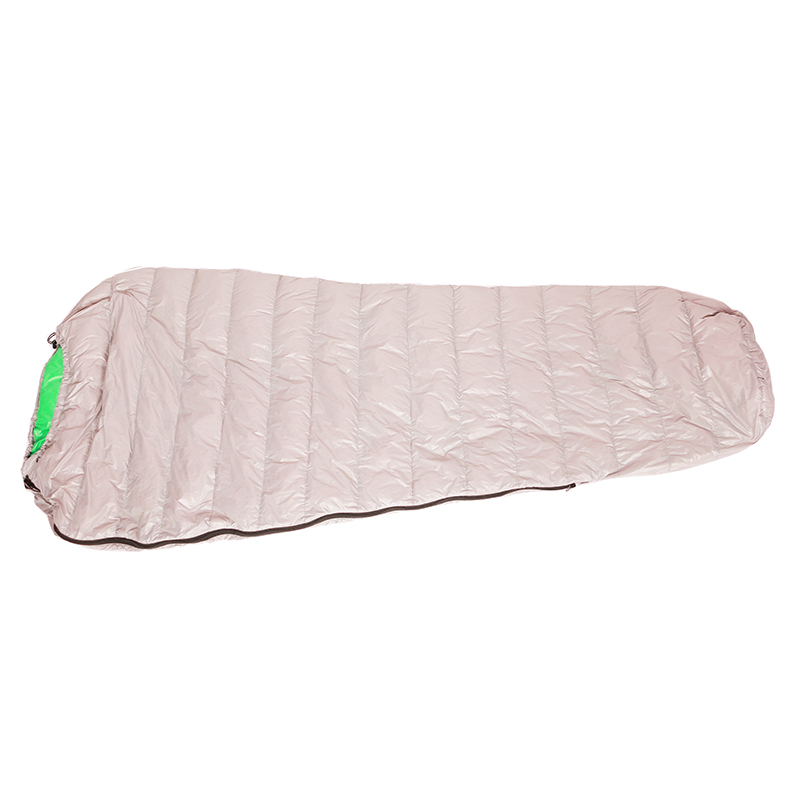
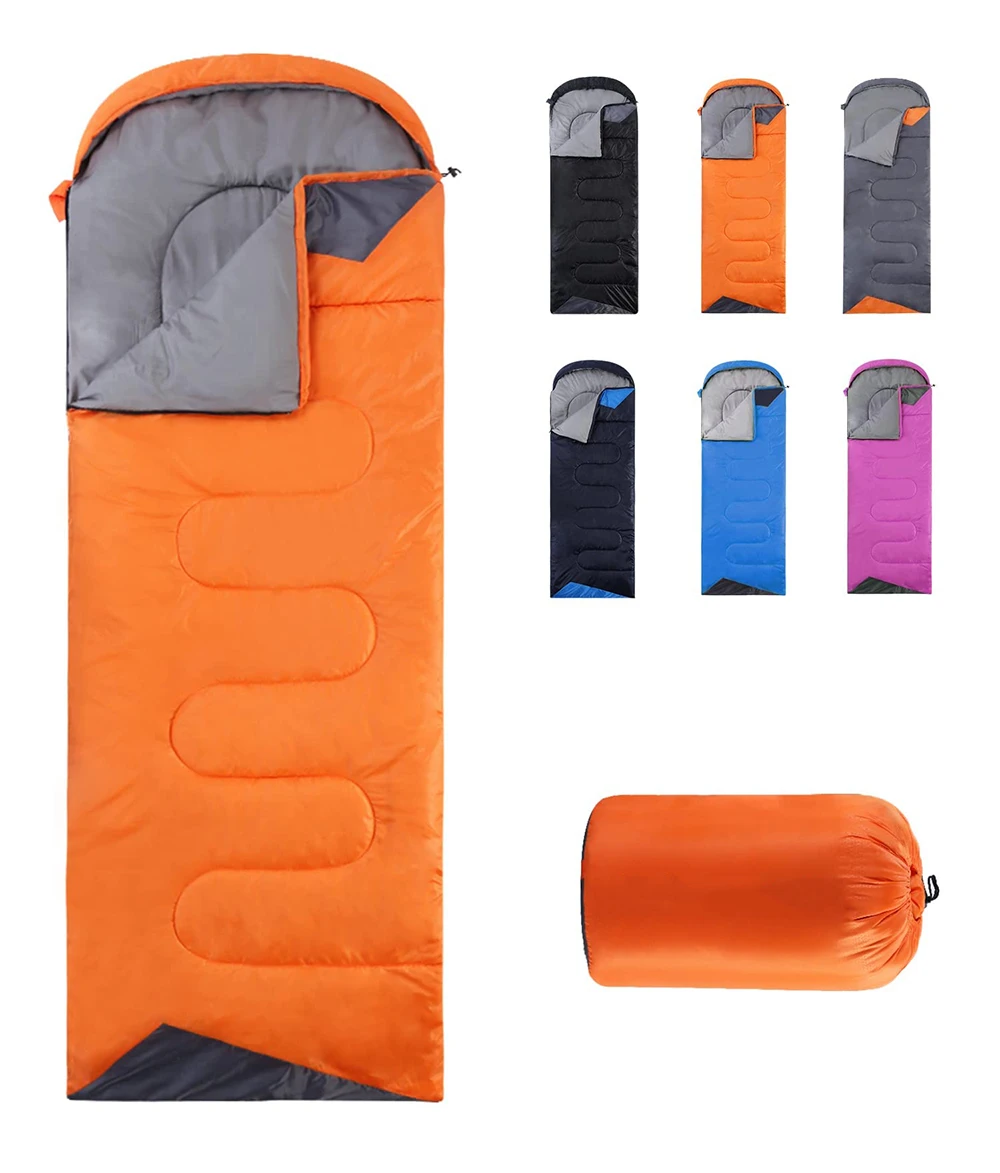
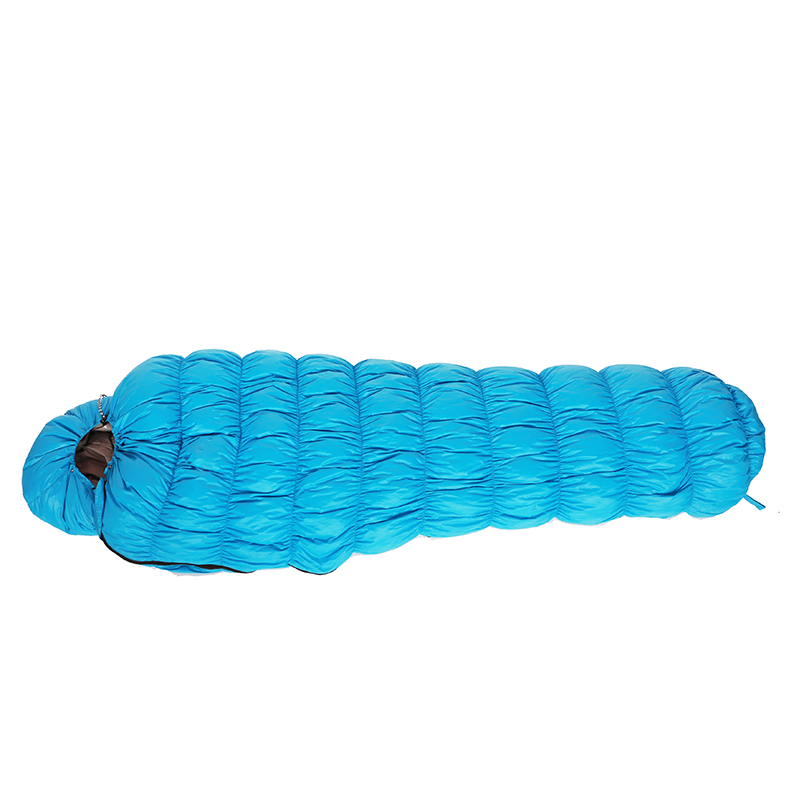
Norway's unique geography, characterized by deep fjords and high alpine plateaus, demands specialized equipment. The market for a high-quality sleeping bag is driven by the "Friluftsliv" (open-air living) philosophy, where gear must withstand sub-zero temperatures and high humidity.

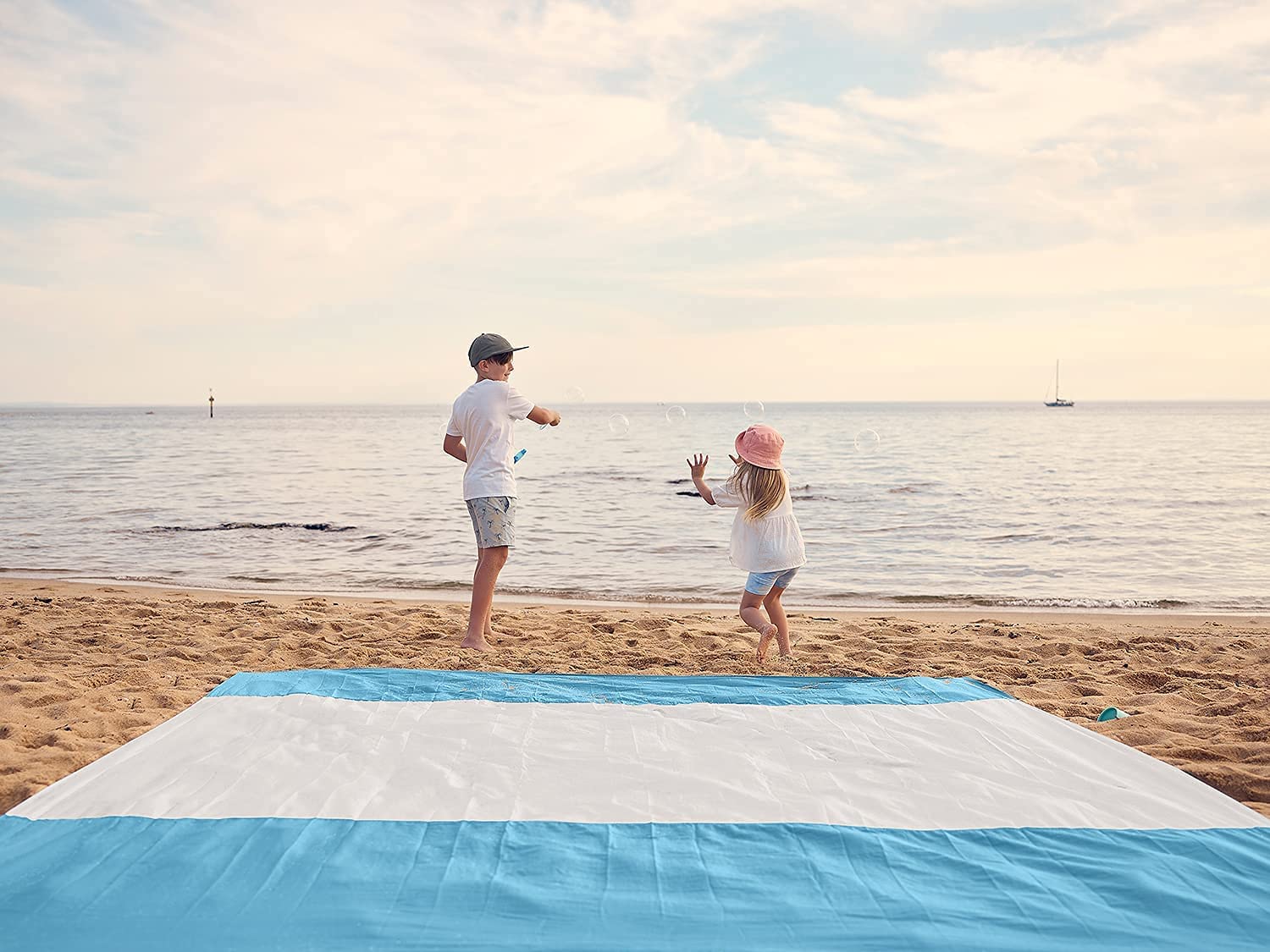
Current manufacturing trends in the region prioritize recycled polymers and PFC-free water repellents. Because of the strict environmental regulations in Norway, there is a massive shift toward circular textile economies, ensuring that every picnic blanket produced is biodegradable or fully recyclable.

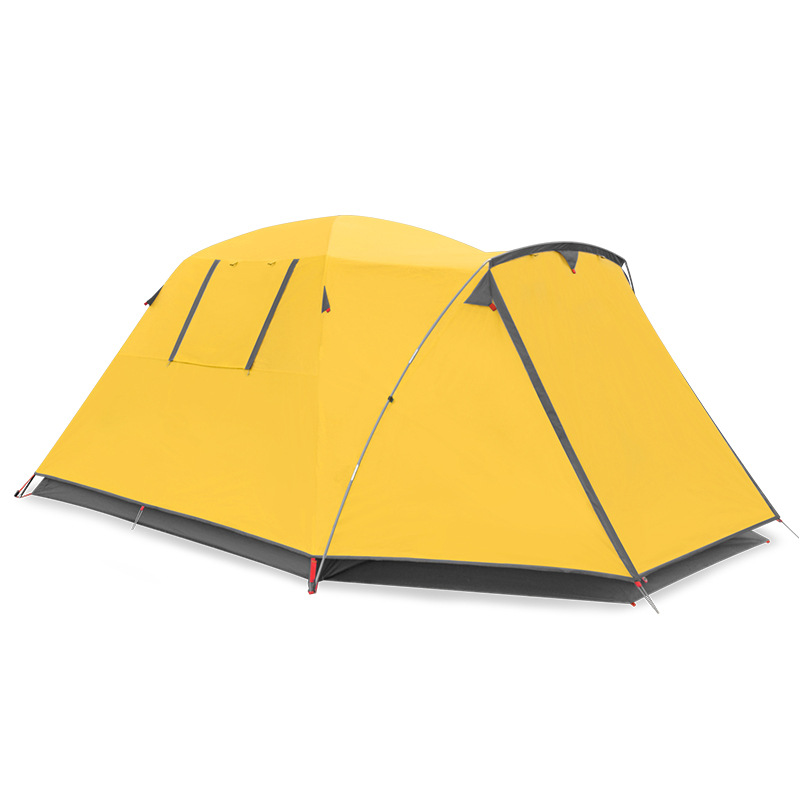
Despite the high demand for durability, there is a growing niche for lightweight, portable gear. The integration of aerospace-grade ripstop nylon in outdoor camping tents has become the industry standard to combat the unpredictable Atlantic winds common in the Norwegian coastal regions.
Evolution of Norwegian Outdoor Gear Technology

From traditional wools to smart synthetic membranes.

Market Development History

In the early 20th century, the Norwegian market relied heavily on heavy wools and treated canvases. The primary focus was basic survival, with heavy-duty textiles providing the only barrier against the Arctic cold.

Between 1980 and 2010, the industry saw a transition toward synthetic insulation and waterproof membranes. This era marked the rise of the modern camping sleeping bag, utilizing hollow-fiber fills to optimize the warmth-to-weight ratio.

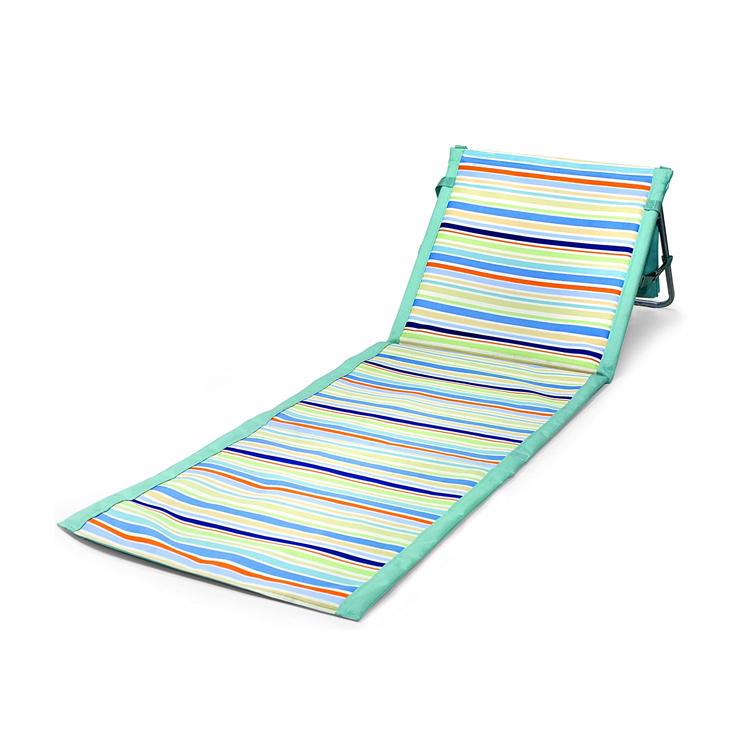
From 2015 to the present, the focus has shifted to "Smart Textiles." We have seen the implementation of phase-change materials (PCM) in a picnic rug and tents, allowing the fabric to regulate temperature actively based on the external environment.

Future Development Trends

Graphene-Integrated Thermal Layers

The next 3 years will see the integration of graphene into textile weaves to provide unmatched heat distribution for extreme winter camping.

Bio-Engineered Waterproofing

Moving away from chemicals, the industry is pivoting toward lab-grown protein coatings that mimic the lotus effect for superior water shedding.

Hyper-Lightweight Carbon Weaves

Future tent structures will utilize carbon-fiber reinforced textiles to reduce weight by 40% without sacrificing structural integrity against snow loads.

Future Trends & Strategic Outlook for Nordic Textiles

Anticipating the shift in consumer behavior and material science in Norway.

Sustainable Materiality
Increasing demand for 100% recycled ocean plastics in outdoor gear to protect Norway's coastlines.
Thermal Optimization
Development of adaptive fabrics that change porosity based on temperature and humidity levels.
Modular Design
A shift toward multi-functional items, such as a picnic blanket that converts into a shelter.
Digital Customization
AI-driven design for custom-fit outdoor gear tailored to individual body heat signatures.

Industry Outlook

The Norwegian market is expected to see a CAGR of 4.5% in the premium outdoor textile sector. Google search trends indicate a surge in "Eco-friendly camping gear Norway," suggesting that sustainability is no longer a luxury but a primary purchase driver.

We anticipate that the convergence of textile engineering and IoT will lead to "smart tents" that monitor internal oxygen levels and external wind speeds, providing real-time safety alerts to campers in the Norwegian highlands.

Localized Application Scenarios in Norway

Real-world deployment of our textile solutions across various Norwegian environments.

01. Hardangervidda Plateau Trekking

Deployment of ultra-thermal camping sleeping bag units designed for high-altitude wind resistance and maximum heat retention during overnight stays.

02. Lofoten Islands Coastal Camping

Utilization of waterproof outdoor camping tents with reinforced stakes and storm-proof fabrics to withstand sudden Arctic gales.

03. Oslo Fjord Summer Picnics

Usage of sand-proof and water-resistant picnic blanket options for families enjoying the coastal greenery and urban parks.

04. Jotunheimen Mountain Expeditions

Integration of heavy-duty picnic rug materials into basecamp flooring to provide a thermal barrier between the frozen ground and gear.

05. Northern Lights Winter Observation

Specialized deployment of sub-zero thermal wraps and shelter systems for tourists watching the Aurora Borealis in Tromsø.

Brand Story

Global Development Journey of Hebei Rundang Trade Co., Ltd.

The Foundation of Excellence

Started with a vision to bridge the gap between industrial textile strength and consumer comfort, focusing on high-density weaves.

Technological Breakthroughs

Implemented advanced waterproof coatings and thermal bonding techniques to solve the "cold-leak" pain point in outdoor gear.

Global Expansion

Expanding into the European market, specifically tailoring products for the rigorous environmental standards of Norway and Sweden.

Sustainable Pivot

Committed to the "Green Textile" initiative, replacing traditional polyester with recycled ocean-bound plastics.

Industry Leadership

Now recognized as a premier manufacturer providing integrated outdoor textile solutions globally, from raw fabric to finished products.

Comprehensive Outdoor Textile Portfolio for Norway

A curated selection of weather-proof gear designed for the Nordic lifestyle.

Norwegian Outdoor Gear FAQ

Answers to common technical queries regarding outdoor textile performance in Norway.

What is the ideal temperature rating for a camping sleeping bag in Northern Norway?

For Northern Norway, we recommend a comfort rating of at least -10°C to -20°C for winter expeditions, utilizing high-loft synthetic or down fills with a waterproof shell.

Are your outdoor camping tents capable of withstanding heavy snow loads?

Yes, our tents feature geodesic structural designs and high-tenacity ripstop fabrics specifically engineered to prevent collapse under significant snow accumulation.

How do I maintain the waterproof coating on a picnic blanket?

We recommend cleaning with a damp cloth and mild soap. Avoid harsh detergents that can strip the DWR (Durable Water Repellent) coating from the fabric.

What makes a picnic rug suitable for damp Norwegian grass?

Our rugs feature a laminated PE or TPU backing that creates an impermeable barrier, preventing ground moisture from seeping through to the user.

Can these textiles be recycled in accordance with Norwegian environmental laws?

Absolutely. We use mono-material constructions wherever possible to ensure that the products can be easily processed by Norwegian recycling facilities.

Which fabric is best for lightweight camping sleeping bag options?

We recommend 20D nylon with a silicone coating, which provides the best balance between weight reduction and tear resistance for trekking.

Get Professional Textile Consulting

Contact our engineering team today for customized manufacturing solutions tailored to the specific demands of Norway.

Contact Us Now

If you are interested in our products, you can choose to leave your information here, and we will be in touch with you shortly.