Premium Picnic Blanket Solutions for Austria

Engineering high-performance textile products for the diverse alpine and urban environments of Austria, combining durability with sustainable comfort.

Premium Picnic Blanket Solutions for Austria

Specialized manufacturing of home and outdoor textile products tailored for the Austrian market, featuring advanced thermal insulation and weather-resistant fabrics.

The Current State of Outdoor Textile Demand in Austria

Analyzing the intersection of alpine climate requirements and the modern Austrian lifestyle.

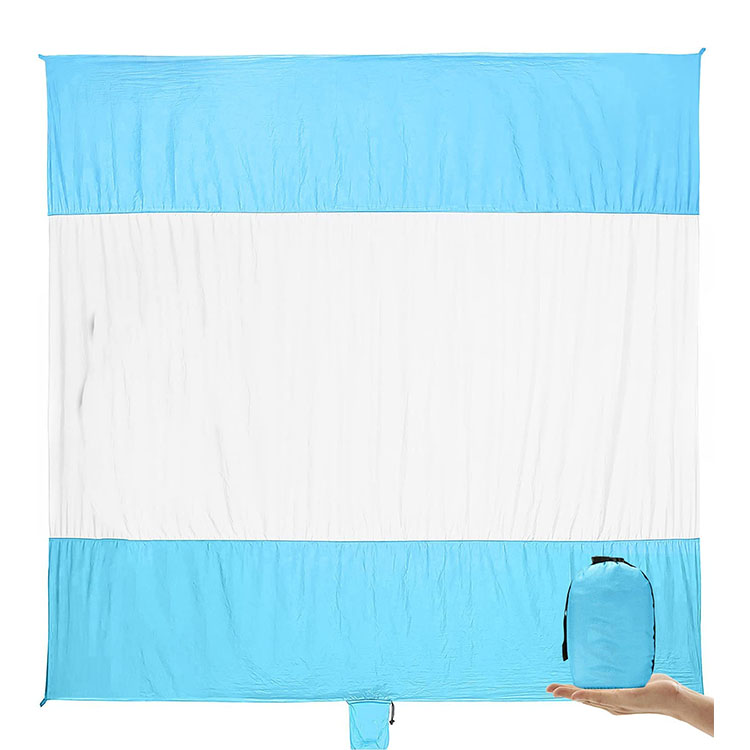
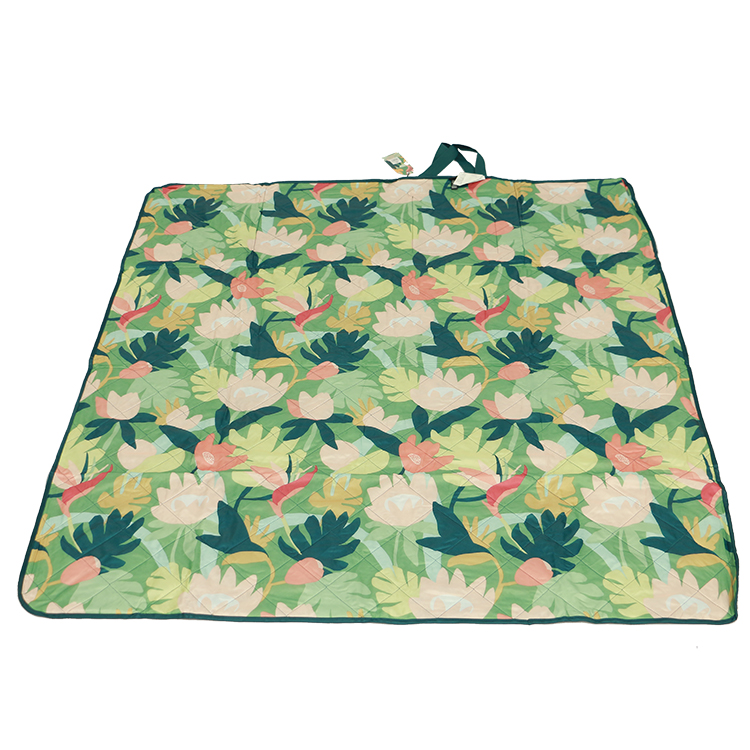
In Austria, the demand for high-quality textiles is driven by a deep-rooted culture of outdoor activity, from the peaks of the Alps to the meadows of the Danube valley. Consumers here prioritize functional longevity and environmental sustainability, necessitating a picnic rug that can withstand damp morning dew and varied terrain.

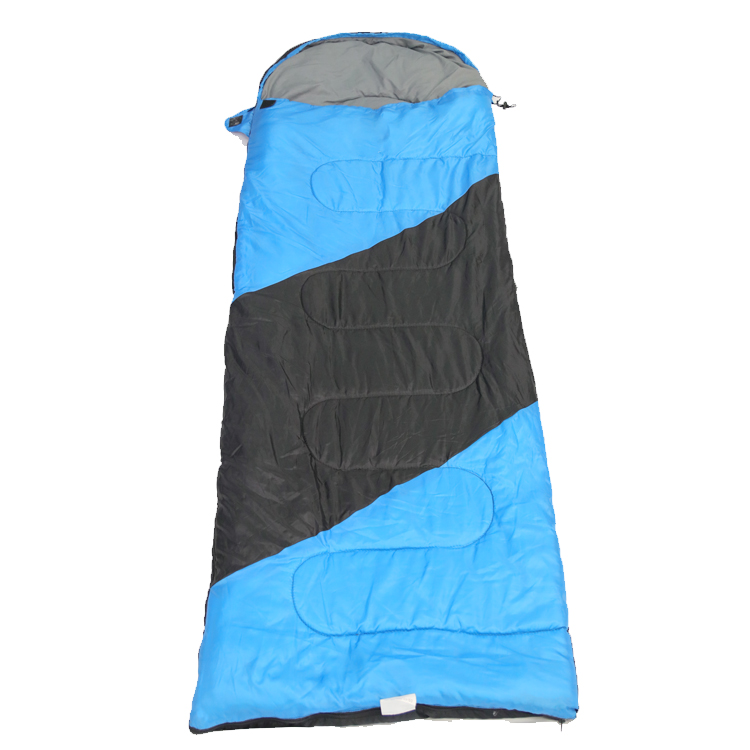
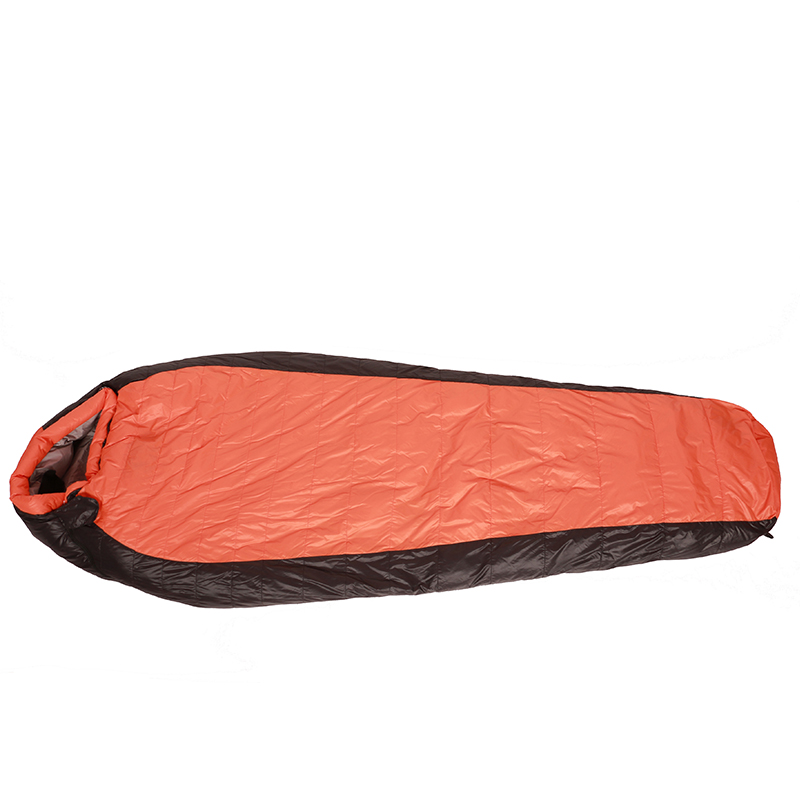
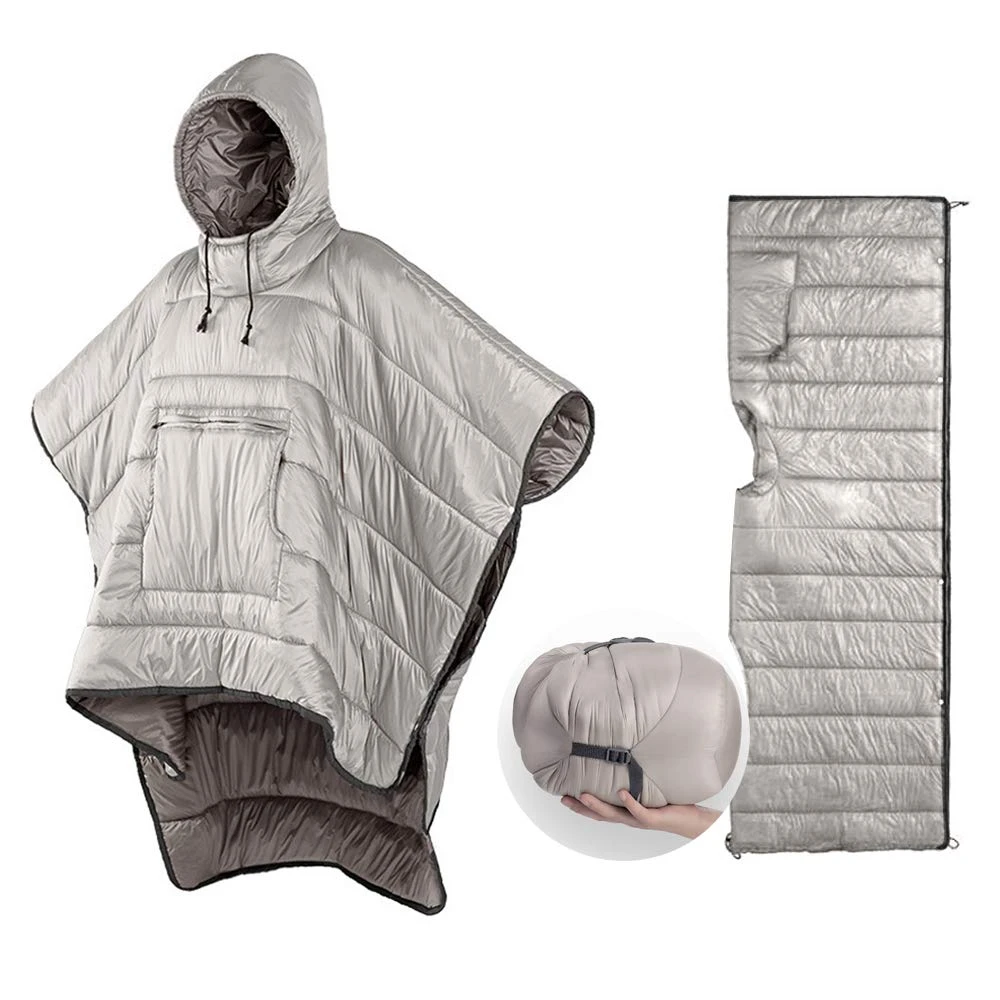
The market is currently shifting toward "Eco-conscious Performance." Austrian consumers are no longer satisfied with basic materials; they seek textiles that offer high thermal efficiency, such as a specialized sleeping bag capable of maintaining core body temperature during unpredictable high-altitude weather changes.

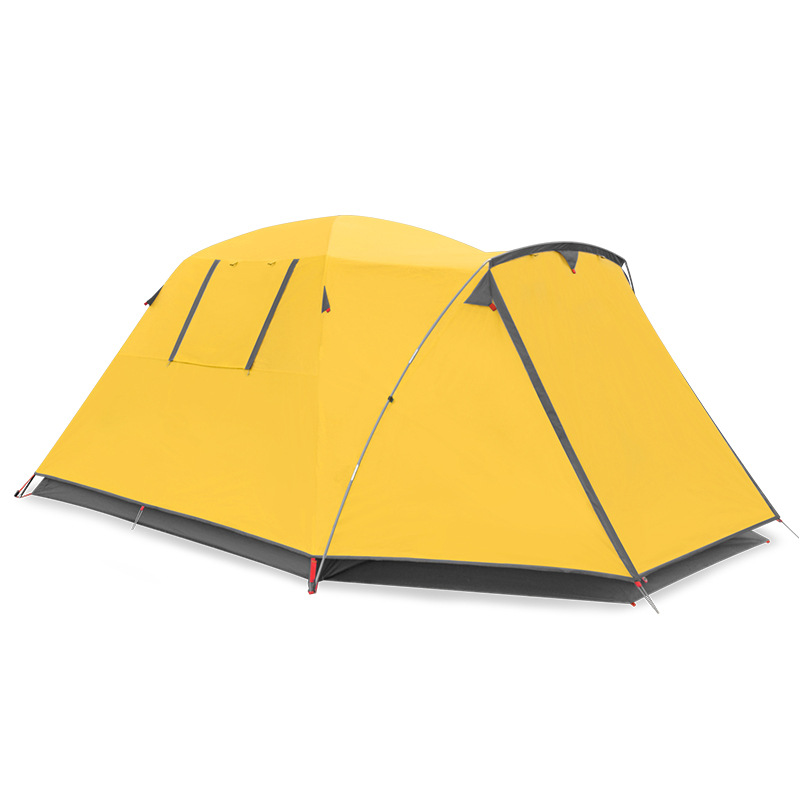
Economically, the region sees a surge in "Glamping" and high-end outdoor leisure. This has increased the manufacturing requirement for hybrid products that bridge the gap between domestic comfort and rugged durability, particularly in the design of outdoor camping tents that integrate breathable, waterproof textile membranes.
Evolution of Austrian Outdoor Textile Manufacturing

From traditional woolens to smart, synthetic high-performance fabrics.

Market Development History

Historically, the Austrian textile market relied heavily on traditional wool and heavy canvas. Up until the 1990s, outdoor gear was characterized by bulk and weight, where the primary goal was simple protection against the elements rather than portable convenience.

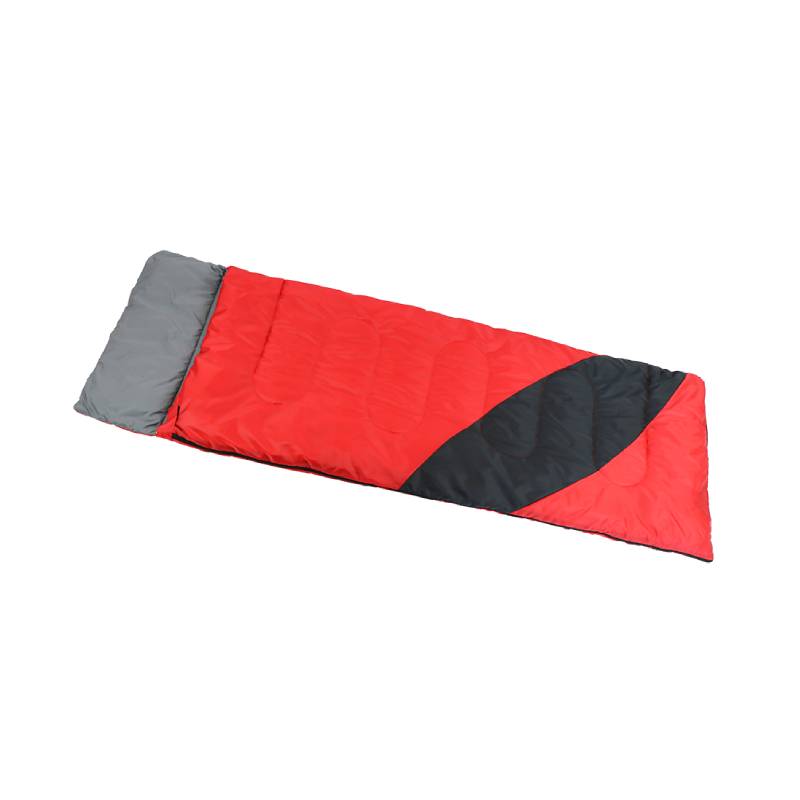
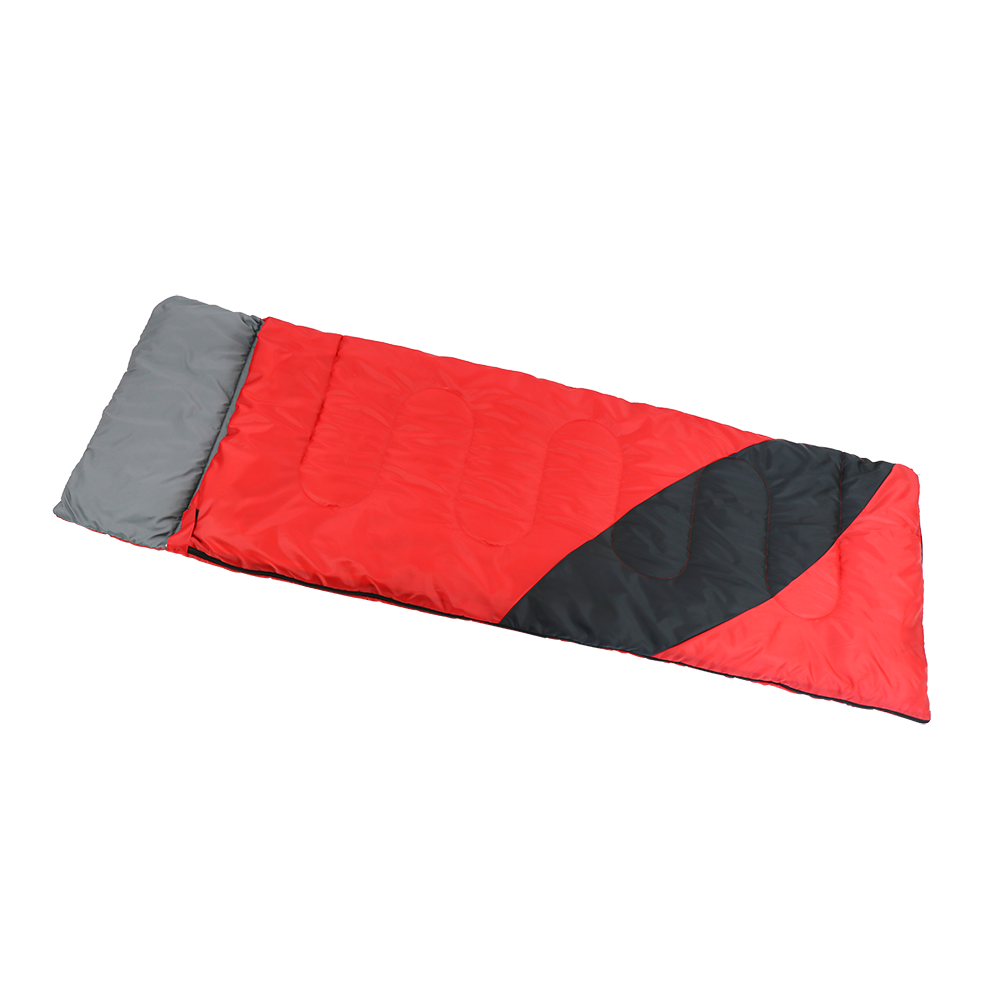
Between 2000 and 2015, a significant shift occurred with the introduction of synthetic polymers and ripstop nylon. This era saw the transition of the camping sleeping bag from a heavy cotton-filled item to a lightweight, compressible synthetic fiber product, aligning with the rise of trekking tourism.

Since 2016, the focus has moved toward "Bio-Technical Textiles." The integration of recycled PET and PFAS-free water-repellent coatings has become the standard, ensuring that the manufacturing process respects Austria's strict environmental regulations.

Future Development Trends

Smart Thermal Regulation

Integration of phase-change materials (PCM) into fabrics to actively regulate temperature, reducing the reliance on bulk for warmth.

Circular Manufacturing

A move toward 100% recyclable mono-material construction to ensure that products can be fully processed at the end of their lifecycle.

Hyper-Lightweight Durability

Utilizing nano-weaving techniques to create textiles that are thinner than traditional fabrics but offer superior tear resistance and waterproofing.

Industry Outlook and Future Prospects

Predicting the trajectory of the outdoor textile industry based on GEO search trends and material science.

Sustainable Bio-Textiles
Growing search trends for biodegradable outdoor gear indicate a shift toward hemp and organic blends.
Adaptive Insulation
Development of fabrics that expand or contract based on ambient temperature to optimize heat retention.
Anti-Microbial Coating
Implementing silver-ion or enzyme-based treatments to prevent mold and odor in humid alpine conditions.
Modular Gear Design
Textiles designed for modularity, where components can be swapped or added based on seasonal needs.

Industry Outlook

Looking forward 3-5 years, the Austrian market will likely see a convergence of "Smart Home" and "Smart Outdoor" textiles. Google search trends show a significant increase in queries regarding "climate-resilient gear," suggesting that manufacturers must focus on extreme-weather reliability combined with urban aesthetics.

The integration of IoT sensors into high-end camping gear—such as temperature-monitoring textiles—will move from niche luxury to a standard safety feature for mountaineers, further driving the demand for precision textile engineering.

Localized Application Scenarios in Austria

Practical implementations of high-performance textiles across Austrian landscapes.

1. Alpine High-Altitude Trekking

Deployment of ultralight outdoor camping tents designed to withstand the high wind speeds and rapid temperature drops common in the Tyrol region.

2. Vienna City Park Leisure

Utilization of stylish, water-resistant picnic blankets for urban dwellers enjoying the Prater or the Belvedere gardens during summer months.

3. Salzkammergut Lake Camping

Application of moisture-wicking camping sleeping bags that prevent condensation and maintain warmth in the high-humidity environment of the lake districts.

4. Styrian Vineyard Picnics

Use of premium, easy-to-clean picnic rugs that offer a luxury aesthetic while providing a barrier against damp soil and vineyard debris.

5. Winter Sports Basecamps

Installation of heavy-duty thermal textile barriers within temporary shelters to ensure heat retention for skiers and snowboarders in the Vorarlberg region.

Brand Story

Global Development Journey of Hebei Yuntang Trade Co., Ltd.

Foundational Excellence

Established with a vision to modernize traditional textile manufacturing, focusing on the precision engineering of high-density fabrics.

Technological Breakthrough

Invested in advanced weaving technology to solve the pain point of weight-to-warmth ratios in outdoor gear, revolutionizing the sleeping bag market.

European Market Expansion

Adapted manufacturing standards to meet strict EU environmental and quality certifications, enabling successful entry into the Austrian and German markets.

Sustainability Pivot

Implemented a closed-loop production system, focusing on recycled polymers to reduce the carbon footprint of outdoor textile production.

Global Leadership

Now recognized as a leading provider of specialized home and outdoor textiles, blending industrial strength with ecological responsibility.

Frequently Asked Questions in Austria

Expert answers to common inquiries regarding outdoor textile performance and maintenance.

What is the best material for a sleeping bag in the Austrian Alps?

For the Alps, we recommend high-loft synthetic fibers or treated down with a DWR (Durable Water Repellent) shell to handle the damp, cold conditions typical of high-altitude regions.

How do I maintain a picnic blanket used in damp grass?

Ensure the blanket is fully air-dried before folding. Our products feature a waterproof PE or TPU backing that can be wiped clean with a damp cloth and mild soap.

Are your outdoor camping tents wind-resistant enough for Tyrol?

Yes, our tents utilize high-tensile ripstop nylon and reinforced stress points, specifically engineered to withstand the gusty winds prevalent in the Tyrolean mountains.

What makes a professional picnic rug different from a standard blanket?

A professional rug incorporates a multi-layer system: a soft top layer for comfort and a heavy-duty, waterproof base layer to prevent ground moisture from seeping through.

Is there a specific camping sleeping bag for summer in the Danube valley?

We offer lightweight, breathable envelopes with a low comfort rating (15-20°C) that prevent overheating while providing a protective barrier against insects.

Do your textiles comply with Austrian environmental standards?

Absolutely. All our manufacturing processes adhere to EU REACH regulations, ensuring no harmful chemicals are used in the dyeing or waterproofing of our textiles.

Get in Touch with Our Experts

Looking for customized textile manufacturing solutions for your business in Austria? Our engineers are ready to help you design the next generation of outdoor gear.

Contact Us Now

If you are interested in our products, you can choose to leave your information here, and we will be in touch with you shortly.