Premium picnic blanket Solutions for North American Outdoors

Engineering high-performance textile gear designed for the diverse climates of the United States, from Appalachian forests to Rocky Mountain peaks.

Premium picnic blanket Solutions for North American Outdoors

Specializing in the manufacturing of advanced home textile products for outdoor use, focusing on durability, thermal efficiency, and sustainable materials for the US market.

US Outdoor Textile Market Landscape

Analyzing the intersection of geography, climate, and consumer demand in the United States.

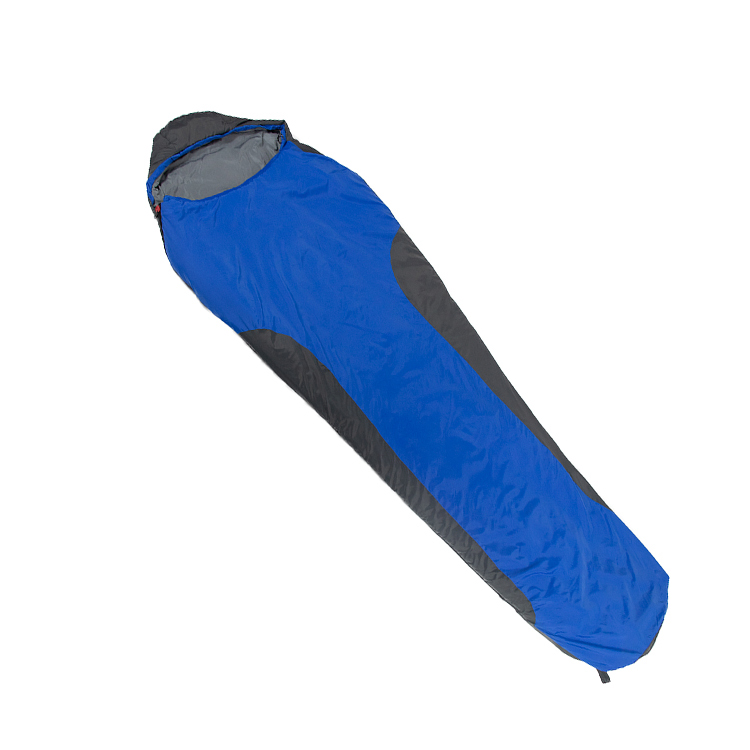
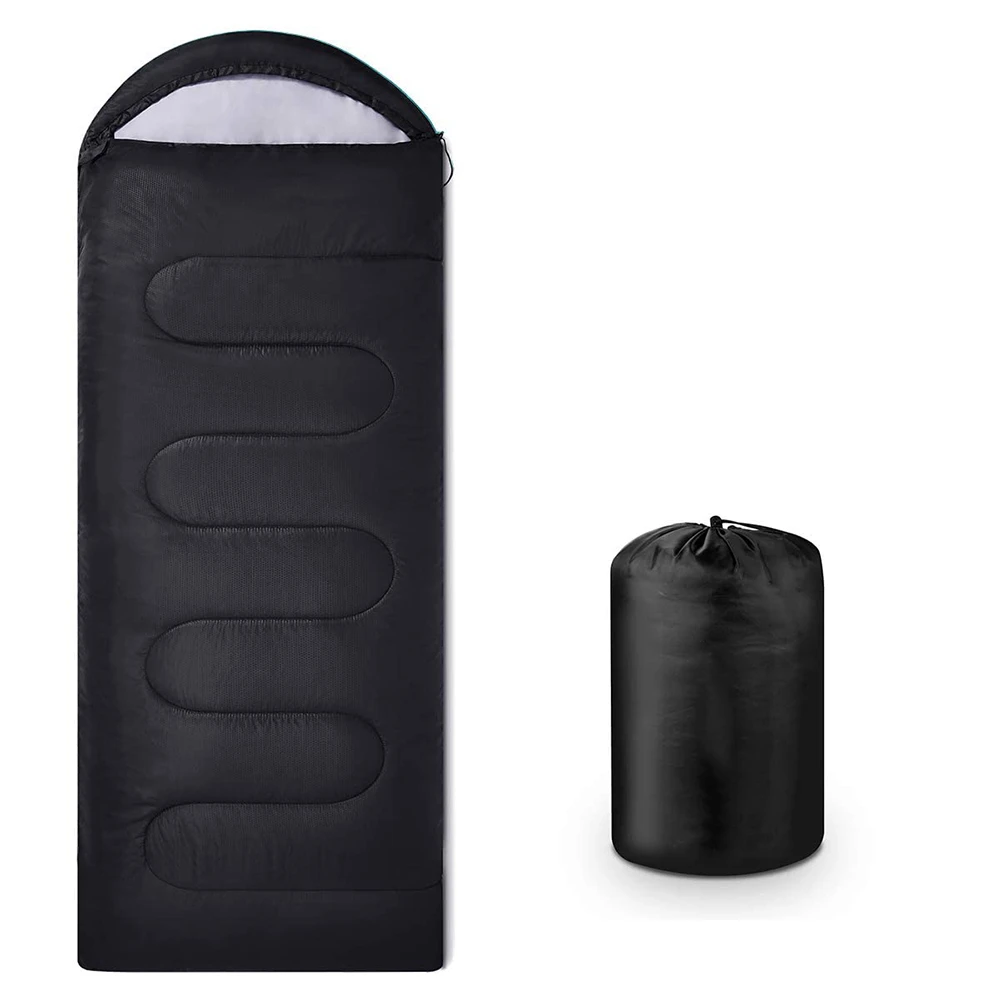
The United States presents a unique challenge for textile manufacturers due to its vast geographic diversity. From the humid subtropics of Florida to the arid deserts of Arizona and the frigid winters of Maine, a standard sleeping bag must offer versatile temperature ratings to remain commercially viable across different states.

Currently, there is a significant shift toward "glamping" and professional-grade leisure. Consumers are moving away from disposable gear, demanding a picnic rug that is not only waterproof but also UV-resistant to withstand the intense sunlight of the American Southwest.

Economically, the US market is increasingly driven by eco-consciousness. The demand for recycled polymers in outdoor camping tents has spiked, as North American campers prioritize Leave No Trace principles and sustainable manufacturing processes.
Evolution of Outdoor Textile Engineering

From basic insulation to smart, adaptive fabric technologies.

Market Development History

In the late 20th century, the US outdoor market relied heavily on heavy canvas and basic polyester. Early iterations of the camping sleeping bag used rudimentary synthetic fills that lacked compressibility and moisture management.

Between 2000 and 2015, the industry saw a "Material Revolution." The introduction of Ripstop nylon and DWR (Durable Water Repellent) coatings transformed how outdoor camping tents were constructed, significantly reducing weight while increasing wind resistance.

From 2016 to the present, the focus has shifted to ergonomic design and sustainable chemistry. Modern textile manufacturing now integrates PFC-free water repellents and recycled PET fibers, aligning with US federal environmental guidelines.

Future Development Trends

Phase-Change Materials (PCM)

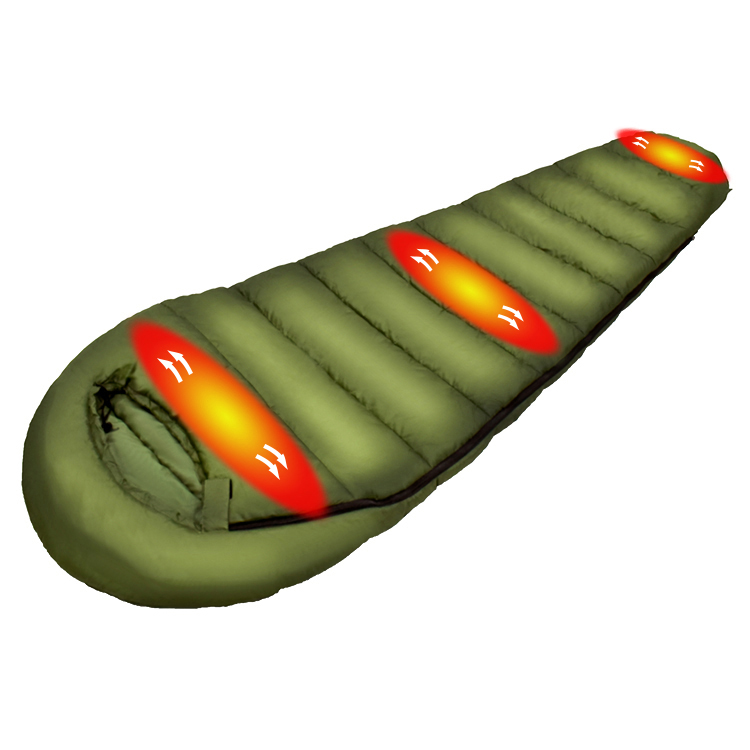
Integrating PCMs into sleeping systems to actively regulate body temperature by absorbing and releasing heat based on the ambient environment.

Biodegradable Polymers

The transition from petroleum-based plastics to corn-starch or mushroom-based textiles for disposable outdoor accessories.

Nanofiber Membrane Integration

Implementing electrospun nanofibers to achieve absolute waterproofing without sacrificing the breathability required for humid US coastal regions.

Industry Trends & Strategic Outlook

Navigating the future of high-performance outdoor textile manufacturing.

Circular Economy Integration
Implementing "Take-back" programs where old gear is chemically recycled into new fibers.
Smart Textile Sensors
Embedding moisture and temperature sensors in fabrics to alert users of critical environmental changes.
Ultra-Lightweighting
Using graphene-enhanced fibers to reduce product volume by 30% without compromising thermal R-values.
Adaptive Hydrophobicity
Fabrics that change porosity based on humidity levels to optimize ventilation.

Industry Outlook

Based on Google Search trends, there is a rising query volume for "sustainable camping gear" and "all-weather outdoor textiles" in the US. This indicates a move toward multi-functional products that replace several single-use items.

We predict that the next 3-5 years will see a convergence of home textile comfort and outdoor durability, where the boundary between a living room rug and a picnic rug disappears through the use of high-performance, washable synthetic blends.

Localized Application Scenarios in the USA

Tailoring textile solutions to the North American lifestyle.

01. National Park Backpacking

High-compression camping sleeping bag systems designed for hikers in Yosemite or Zion, focusing on weight reduction and moisture-wicking for multi-day treks.

02. East Coast Autumn Picnics

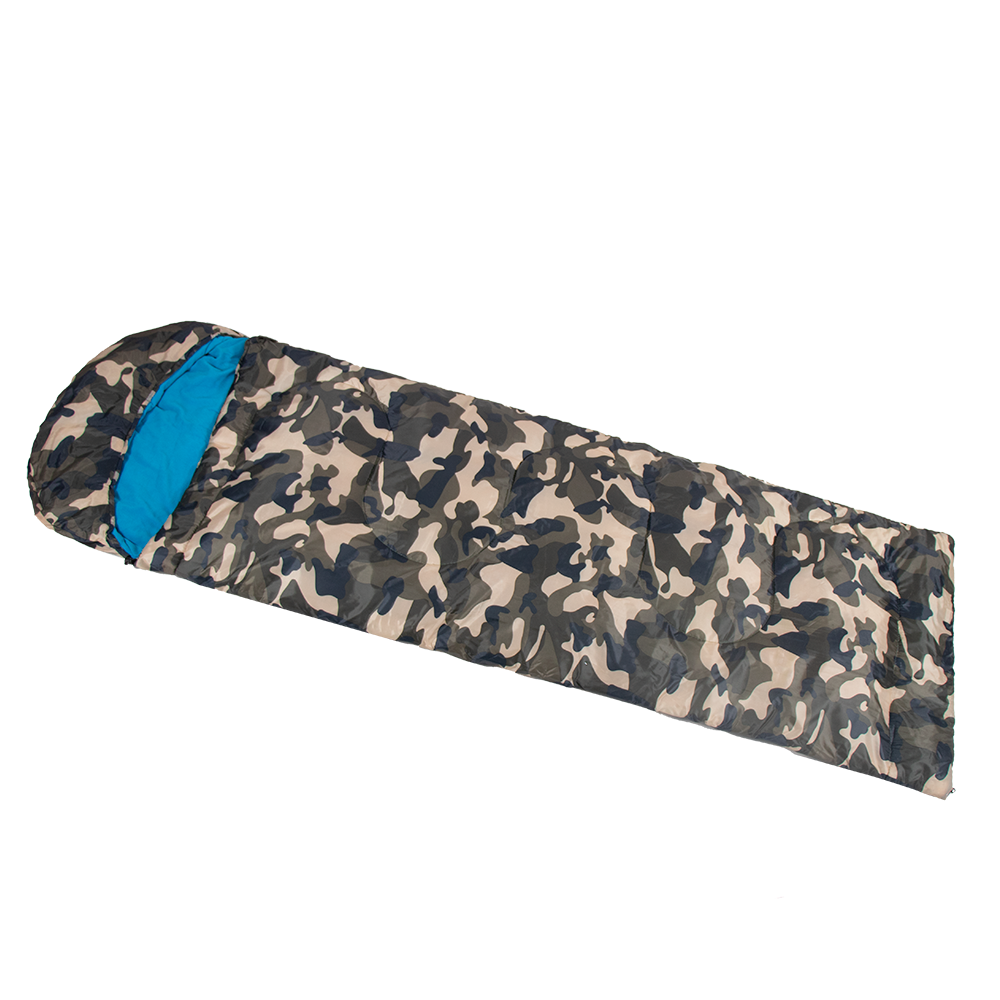
Heavy-duty, thermal-backed picnic blanket solutions for the New England fall, preventing ground chill during outdoor gatherings.

03. Midwest Family Camping

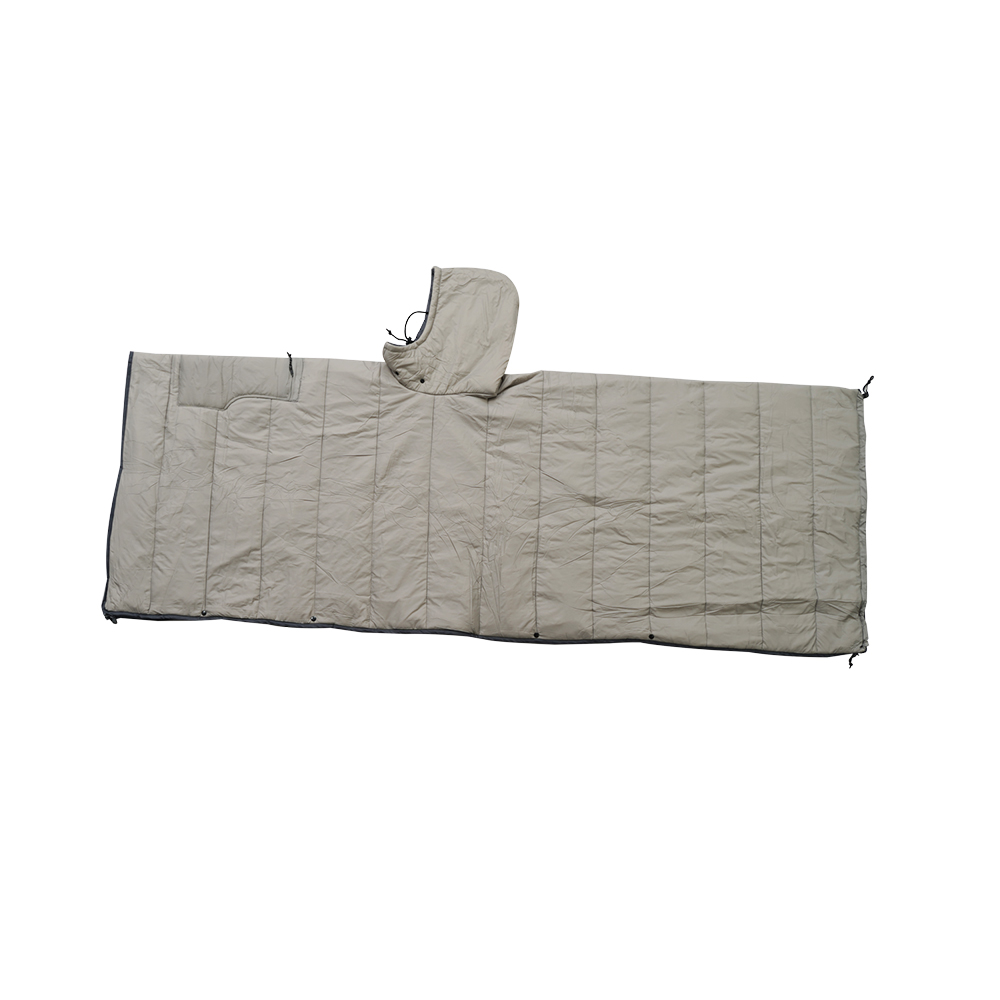
Large-scale, durable outdoor camping tents engineered for stability during sudden Midwestern thunderstorms and high wind gusts.

04. West Coast Beach Leisure

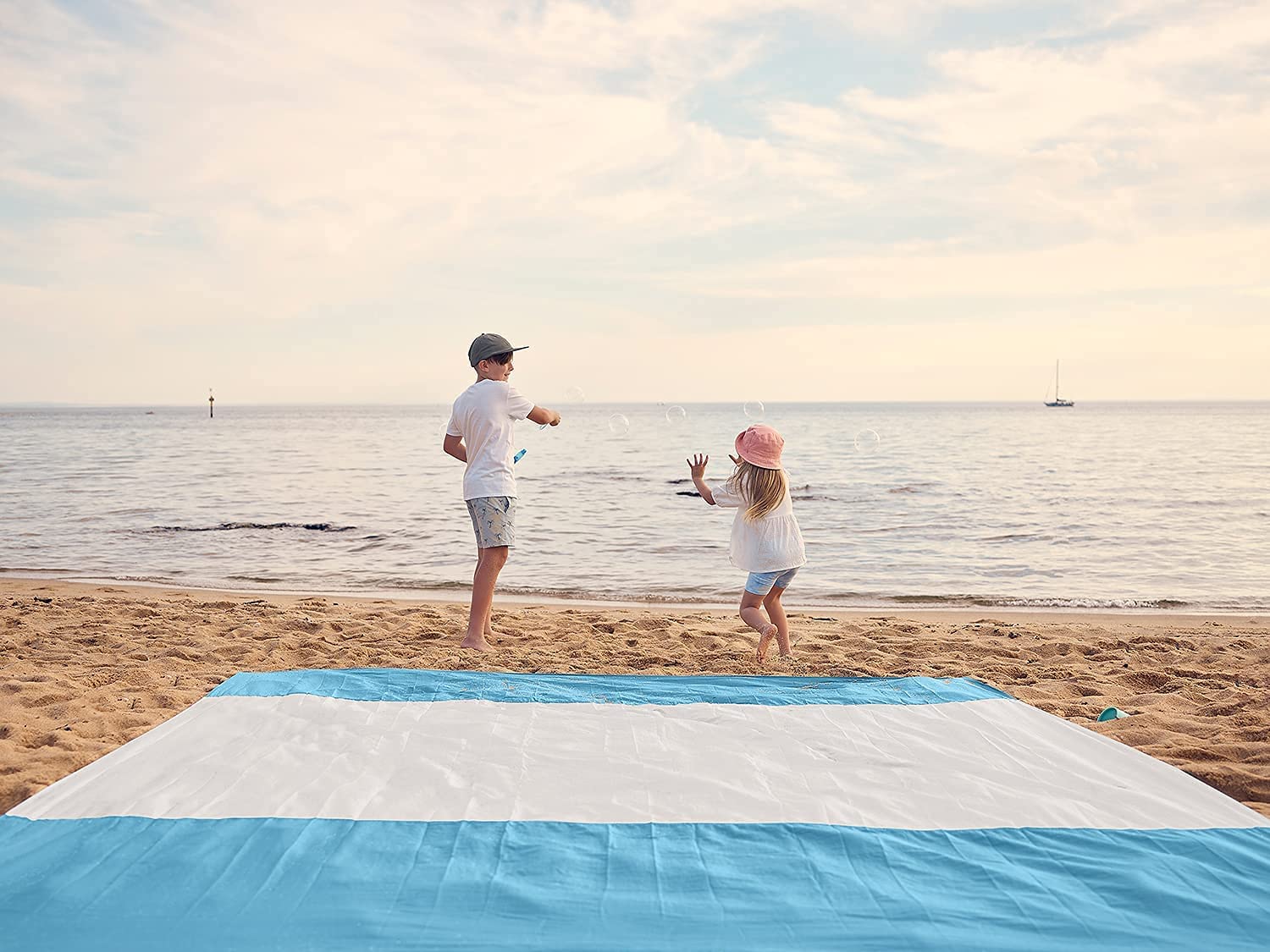
Sand-proof, quick-dry picnic rug options for California coastlines, featuring UV-resistant dyes to prevent fading under the sun.

05. Appalachian Winter Survival

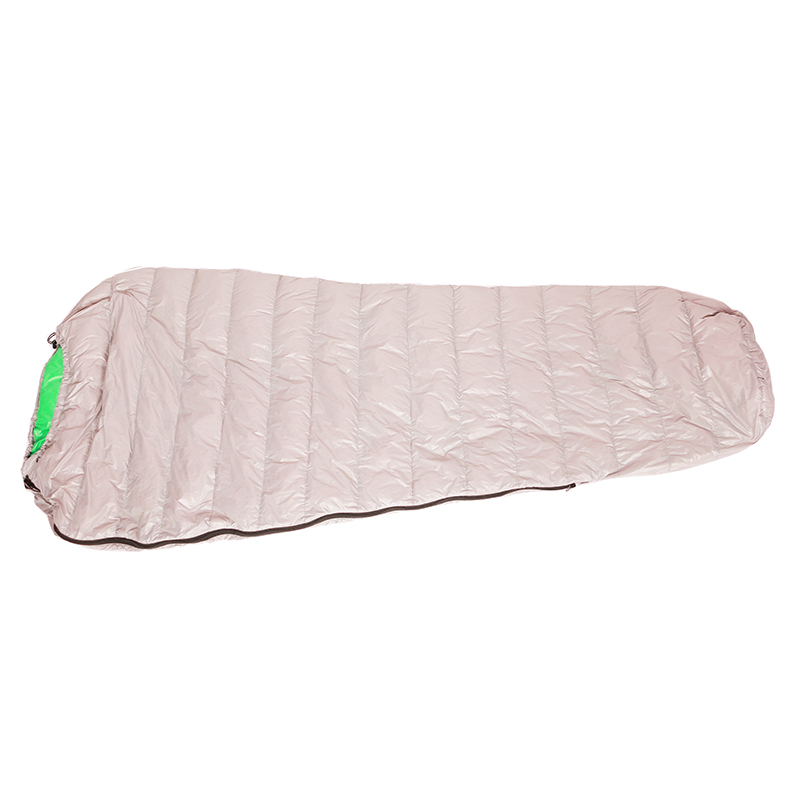
Extreme-cold rated textile shells for tents and bags, utilizing advanced synthetic insulation to withstand sub-zero temperatures in the Appalachian range.

Brand Story

Global Development History of Hebei Yuntang Trade Co., Ltd.

Foundational Excellence

Established with a mission to bridge the gap between industrial textile strength and consumer comfort, specializing in high-density weaves.

Technological Pivot

Integrated advanced waterproof membranes and thermal bonding technologies to solve the "breathability vs. waterproofing" pain point.

North American Expansion

Localized production standards to meet US ASTM and ISO certifications, ensuring durability for the rugged American landscape.

Sustainable Innovation

Launched the "Green-Weave" initiative, replacing virgin polyesters with 100% recycled ocean plastics in our outdoor lines.

Global Leadership

Recognized as a premier partner for global outdoor brands, delivering precision-engineered textile components for extreme environments.

Comprehensive Outdoor Textile Portfolio for the USA

A curated selection of high-performance gear designed for every US climate zone.

US Market Technical FAQ

Expert answers to common questions regarding outdoor textile performance.

How do I choose the right temperature rating for a camping sleeping bag in the US?

Consider the "Comfort" vs "Limit" rating. For US winters in the North, we recommend a bag with a comfort rating 10°F lower than the expected overnight low.

Are your picnic blanket materials safe for environmentally protected US parks?

Yes, our materials are PFC-free and non-toxic, ensuring no harmful chemicals leach into the soil, complying with NPS guidelines.

What is the best fabric for outdoor camping tents in high-wind areas like the Rockies?

We utilize high-denier Ripstop nylon with reinforced stress points to prevent tearing under high wind loads.

How to clean a picnic rug after a beach trip in Florida?

Our rugs are designed for easy maintenance; simply shake off the sand and wipe with a damp cloth or machine wash on a gentle cycle.

Can a camping sleeping bag be used as an emergency blanket?

Our high-thermal bags are designed for insulation; in emergencies, they provide critical heat retention to prevent hypothermia.

What makes a professional picnic blanket different from a standard cloth?

Professional versions feature a PEVA waterproof backing and thermal insulation layers that prevent ground moisture from penetrating the fabric.

Ready to Upgrade Your Outdoor Gear?

Our engineering team is ready to provide customized textile solutions for your business in the United States.

Contact Us Now

If you are interested in our products, you can choose to leave your information here, and we will be in touch with you shortly.