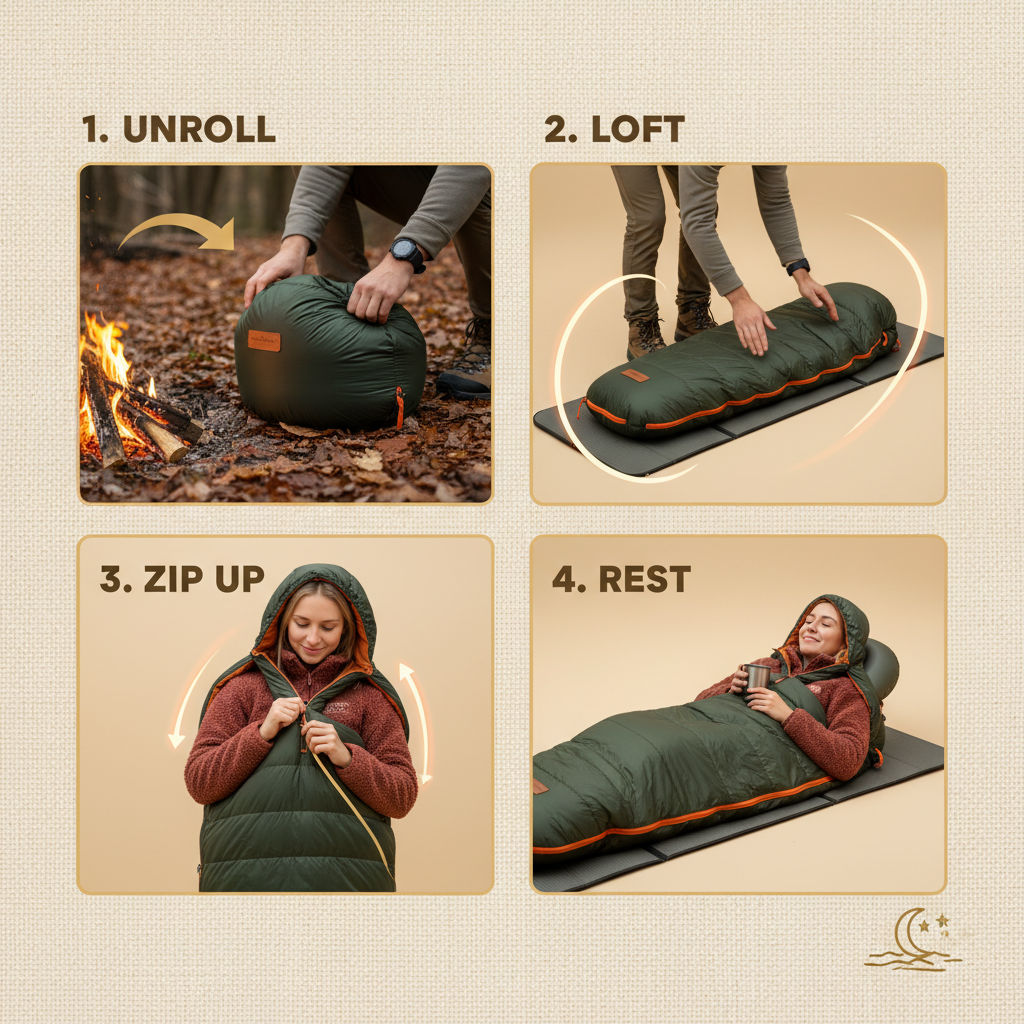
The demand for reliable and portable shelter solutions is ever-increasing globally, driven by factors ranging from outdoor recreational pursuits to emergency disaster relief and humanitarian aid. A backpack sleeping bag isn't just about comfort during a camping trip; it’s a versatile asset capable of providing essential protection and warmth in a multitude of scenarios. Understanding its design, materials, and applications is crucial for both consumers and organizations involved in emergency preparedness and outdoor adventures.
The global market for outdoor equipment, including backpack sleeping bags, is experiencing substantial growth. According to Statista, the outdoor recreation market was valued at over $689 billion in 2023, demonstrating the widespread interest in activities that require durable and portable gear. This necessitates a focus on innovation and sustainability within the industry. The ability of a single, easily transportable backpack sleeping bag to address both individual needs and larger-scale emergency requirements makes it a particularly relevant and valuable commodity.
The challenge lies in balancing affordability, weight, packability, and thermal performance. Traditional shelter solutions can be bulky, costly, and time-consuming to deploy. A well-designed backpack sleeping bag offers a lightweight, compact, and cost-effective alternative, capable of providing immediate shelter and warmth when and where it’s needed most.
The Importance of Backpack Sleeping Bags
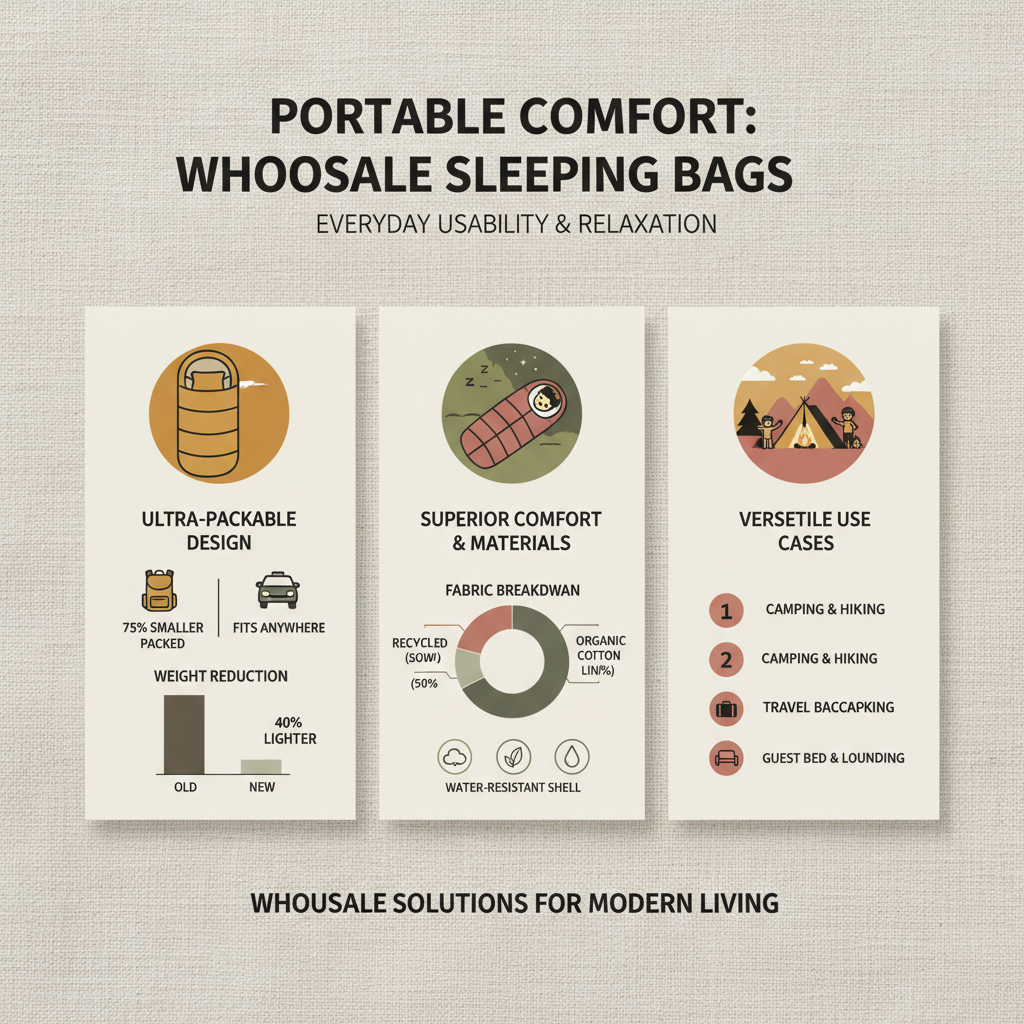
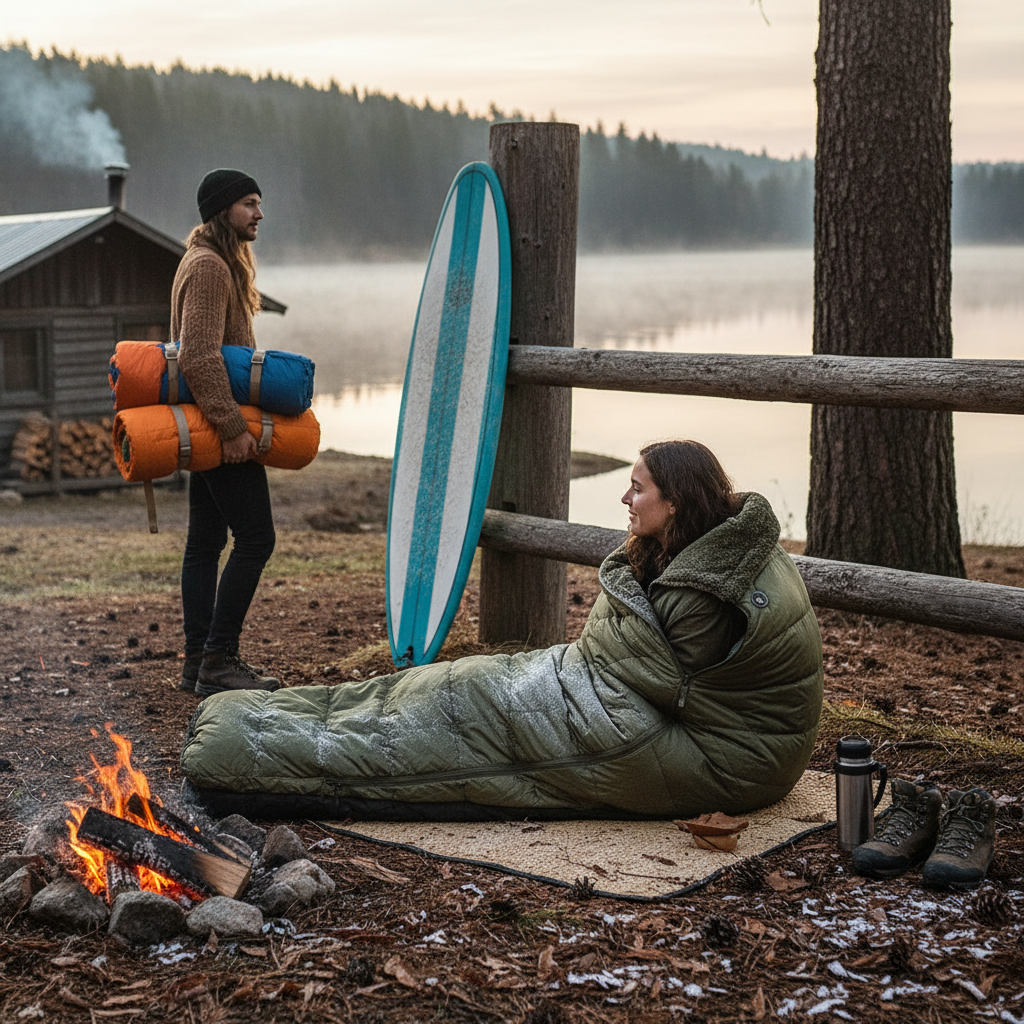
A backpack sleeping bag represents a critical component of survival and comfort in a diverse range of situations. From mountaineering expeditions and backpacking trips to emergency shelter provision after natural disasters, its versatility is undeniable. The portability and relatively low cost compared to other shelter options make it an accessible resource for individuals and organizations alike.
Its significance extends beyond simple protection from the elements. A quality backpack sleeping bag offers psychological comfort, aiding in stress reduction and promoting better sleep, essential for maintaining physical and mental well-being in challenging circumstances.
Defining Backpack Sleeping Bags
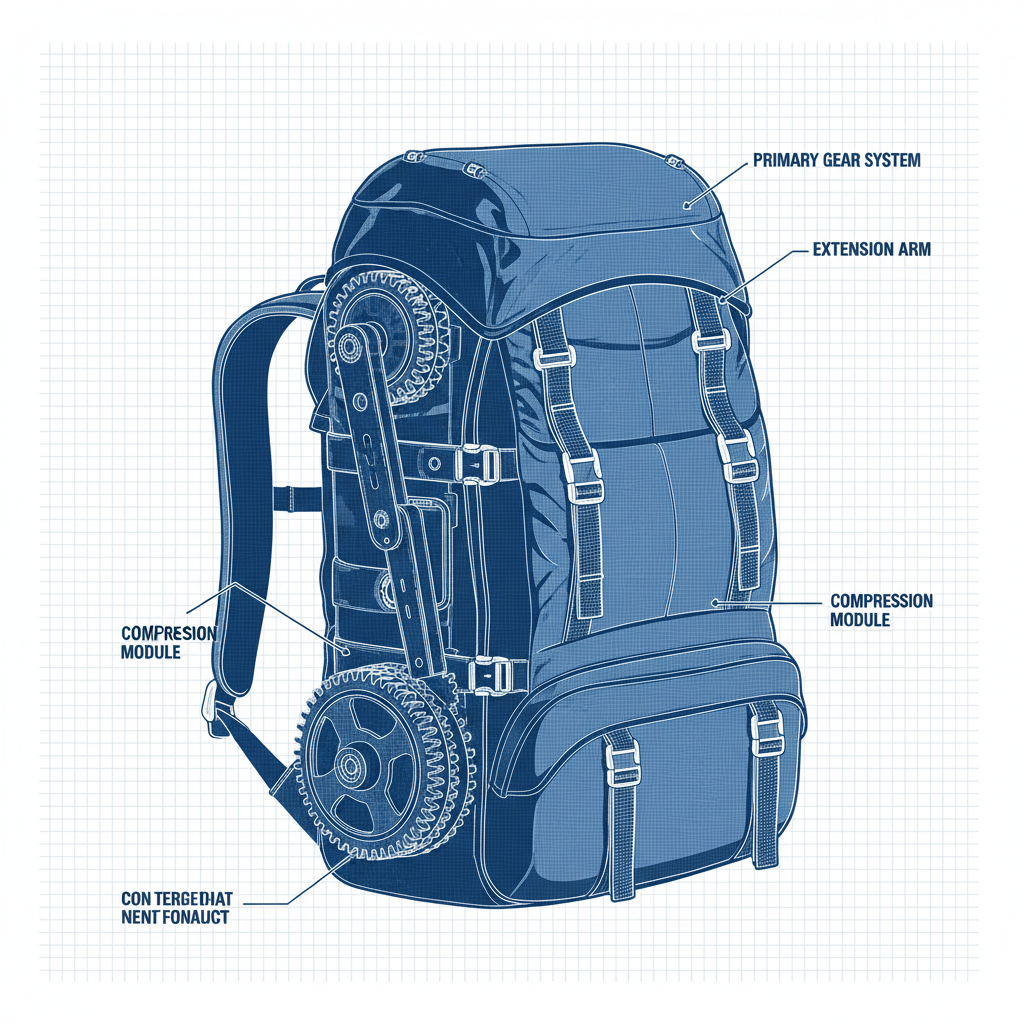
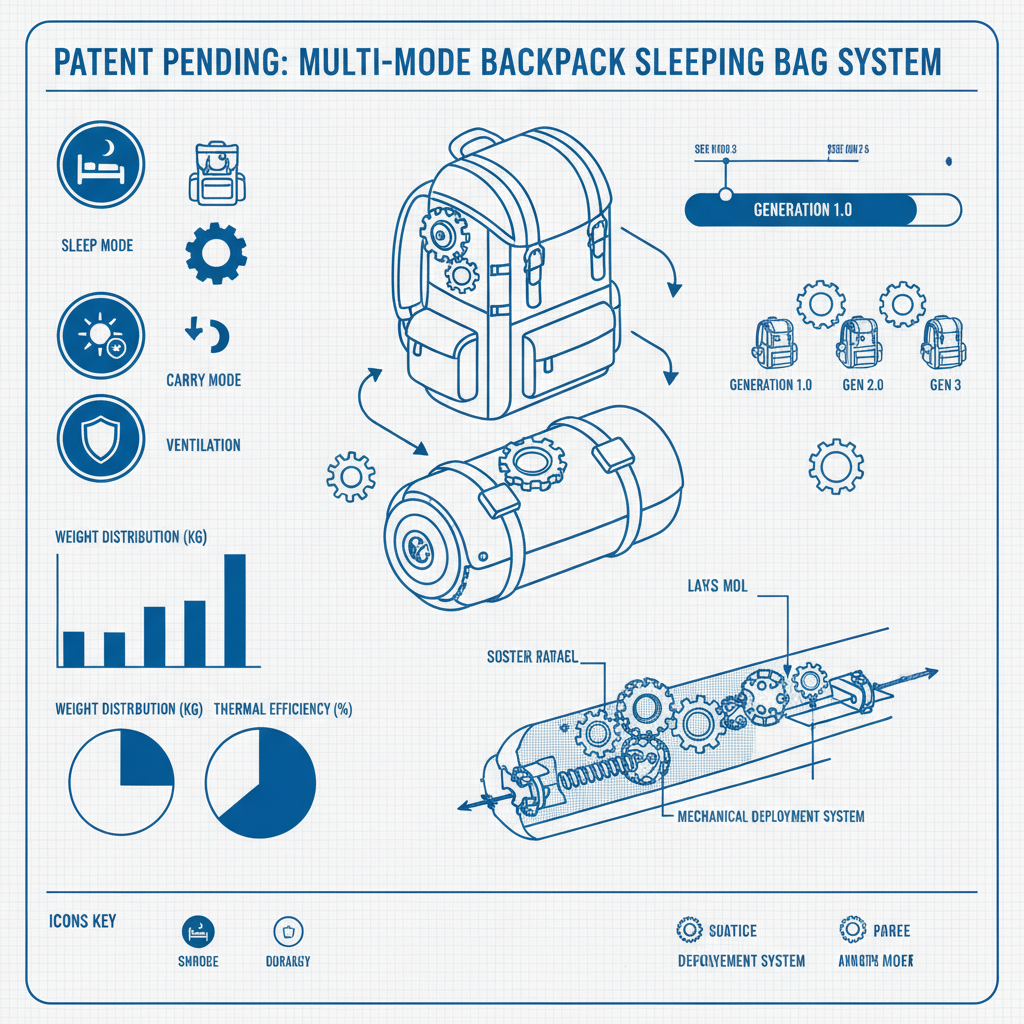
A backpack sleeping bag is a portable, insulated shelter designed to provide warmth and protection from the elements. Typically constructed from lightweight materials like nylon or polyester, and filled with insulating materials such as down or synthetic fibers, it's engineered to be easily compressed and carried within a backpack. These bags range in temperature ratings, size, and shape to accommodate various climates and user preferences.
Its connection to modern industry stems from the growing demand for lightweight and efficient outdoor gear. The evolution of materials science has allowed for the creation of sleeping bags that are both incredibly warm and remarkably compact. This directly impacts industries like tourism, disaster relief, and military operations, where efficient logistics are paramount.
From a humanitarian perspective, the backpack sleeping bag serves as a fundamental aid item, providing immediate shelter to individuals displaced by conflict, natural disasters, or poverty. Its ease of distribution and minimal storage requirements make it ideal for rapid response situations.
Key Factors Influencing Backpack Sleeping Bag Performance
Several core components dictate the performance of a backpack sleeping bag. Firstly, insulation – whether down or synthetic – determines its thermal efficiency. Down offers superior warmth-to-weight ratio, while synthetic insulation performs better in damp conditions. Secondly, shell material impacts durability and water resistance. Nylon and polyester are common choices, with denier (D) indicating thickness and strength.
Thirdly, bag shape affects thermal efficiency and comfort. Mummy bags maximize warmth by minimizing air space, while rectangular bags offer more room but less insulation. Fourthly, temperature rating indicates the lowest temperature at which the bag will keep an average sleeper warm. Finally, weight and packability are crucial for backpacking and emergency situations.
These factors directly influence practical applications. For example, a mountaineer will prioritize a lightweight, highly insulated mummy bag, while a casual camper might opt for a more spacious and affordable rectangular bag. Emergency responders need durable, water-resistant bags with reliable temperature ratings suitable for unpredictable conditions.
Global Applications and Real-World Use Cases
Backpack sleeping bags are utilized across a spectrum of industries and regions. In the tourism sector, they are essential gear for backpackers, hikers, and campers worldwide, supporting a multi-billion dollar industry. In remote industrial zones like oil fields and mining camps, they provide temporary shelter for workers.
In post-disaster relief operations, organizations like the Red Cross and UNHCR rely heavily on backpack sleeping bags to provide immediate shelter to displaced populations. Following earthquakes, floods, or conflicts, these bags offer critical protection from the elements and help prevent hypothermia.
The military also employs specialized backpack sleeping bags designed for extreme conditions, ensuring the survival and operational effectiveness of soldiers in challenging environments. From the Arctic to the desert, these bags are a vital part of a soldier’s kit.
Backpack Sleeping Bag Performance by Material
Advantages and Long-Term Value Proposition
The benefits of utilizing a backpack sleeping bag are numerous. From a cost perspective, they represent a relatively inexpensive form of shelter compared to tents or temporary structures. They are highly sustainable, with many models designed for longevity and repairability. Their compact size reduces transportation costs and logistical complexities.
Beyond the practical advantages, a quality backpack sleeping bag provides a sense of security and dignity to those in need. It offers a personal space and protection from the elements, fostering a sense of normalcy and hope in challenging circumstances. The innovation in materials and design builds trust and reliability, ensuring users can depend on the product when it matters most.
Future Trends and Innovations
The future of backpack sleeping bag technology is focused on sustainability and enhanced performance. Research into bio-based insulation materials, like those derived from algae or mushrooms, is gaining momentum, offering eco-friendly alternatives to traditional down and synthetic fibers.
Digital integration, such as smart fabrics with embedded sensors to monitor body temperature and adjust insulation levels, is also on the horizon. Automation in manufacturing processes will likely lead to increased efficiency and reduced costs, making high-quality backpack sleeping bags more accessible.
Furthermore, advancements in waterproof and breathable membranes will improve weather protection without sacrificing comfort.
Challenges and Potential Solutions
Despite the advancements, several challenges remain. The environmental impact of manufacturing, particularly the use of synthetic materials and the sourcing of down, is a concern. Durability can also be an issue, with some bags prone to tears or zipper failures.
Potential solutions include investing in circular economy models, where bags are designed for disassembly and recycling. Developing more robust and repairable designs, using stronger materials and reinforced stitching, can extend product lifespan. Promoting ethical sourcing of down and exploring innovative bio-based alternatives can address sustainability concerns.
Standardized testing and certification can also help consumers make informed choices and ensure product quality and performance.
Summary of Backpack Sleeping Bag Challenges and Solutions
| Challenge |
Impact Level (1-10) |
Proposed Solution |
Implementation Cost (Low/Med/High) |
| Environmental Impact of Materials |
8 |
Utilize Bio-Based Insulation |
Med |
| Durability and Tear Resistance |
7 |
Reinforced Stitching and Materials |
Low |
| Ethical Sourcing of Down |
6 |
RDS Certification and Traceability |
Low |
| Water Resistance Degradation |
5 |
Improved Waterproof Membranes |
Med |
| Lack of Standardized Testing |
4 |
Implement Universal Performance Standards |
High |
| Cost Barriers for High-Quality Bags |
6 |
Streamlined Manufacturing and Materials |
Med |
FAQS
Choosing the right temperature rating depends on the climate and conditions you’ll be facing. Consider the lowest expected temperature and add some buffer. A "comfort" rating indicates the temperature at which an average sleeper will feel comfortable, while a "lower limit" rating is the lowest temperature at which a man can sleep for eight hours without waking. Overestimating is always better than underestimating to avoid hypothermia.
Down insulation offers a superior warmth-to-weight ratio and is highly compressible. However, it loses its insulating properties when wet and can be more expensive. Synthetic insulation, on the other hand, performs better in damp conditions, dries faster, and is often more affordable. The best choice depends on your specific needs and the environment you'll be using the backpack sleeping bag in.
Down sleeping bags require special care to maintain their loft and performance. Avoid getting them wet, and if they do get wet, dry them thoroughly in a tumble dryer on low heat with tennis balls to prevent clumping. Store the bag loosely in a large storage sack when not in use. Regular cleaning with a down-specific detergent is also recommended.
Denier (D) refers to the weight in grams of a 9,000-meter length of fabric. A higher denier indicates a thicker, more durable fabric. For sleeping bag shells, a denier of 30-40D is common for lightweight bags, while 60-70D offers greater durability for more rugged use. Choosing the right denier depends on your intended activities and the level of abrasion the bag will be exposed to.
The most common shapes are mummy, rectangular, and semi-rectangular. Mummy bags are tapered to minimize air space and maximize warmth, making them ideal for cold-weather camping. Rectangular bags offer more room but are less thermally efficient. Semi-rectangular bags offer a compromise between warmth and comfort. The best shape depends on your preference and the conditions you'll be facing.
The waterproof rating is crucial, especially if you anticipate encountering wet conditions. A higher rating indicates greater resistance to water penetration. While a completely waterproof bag is rare, a water-resistant shell treated with a Durable Water Repellent (DWR) finish can significantly enhance protection. Look for a rating of at least 1000mm for adequate water resistance.
Conclusion
In conclusion, the backpack sleeping bag stands as a remarkably versatile and essential piece of equipment, bridging the gap between comfort, safety, and preparedness across diverse contexts. From enhancing outdoor adventures to providing critical shelter in emergency situations, its impact is undeniable. Understanding the key factors influencing its performance – insulation, shell material, shape, and temperature rating – empowers users to make informed decisions and select the optimal bag for their needs.
Looking ahead, continuous innovation in sustainable materials and design will further elevate the value of the backpack sleeping bag. By embracing circular economy principles, investing in ethical sourcing, and prioritizing durability, we can ensure these vital tools remain accessible, reliable, and environmentally responsible for generations to come. Visit our website at www.aoxinoutdoor.com to explore our range of high-quality backpack sleeping bags.