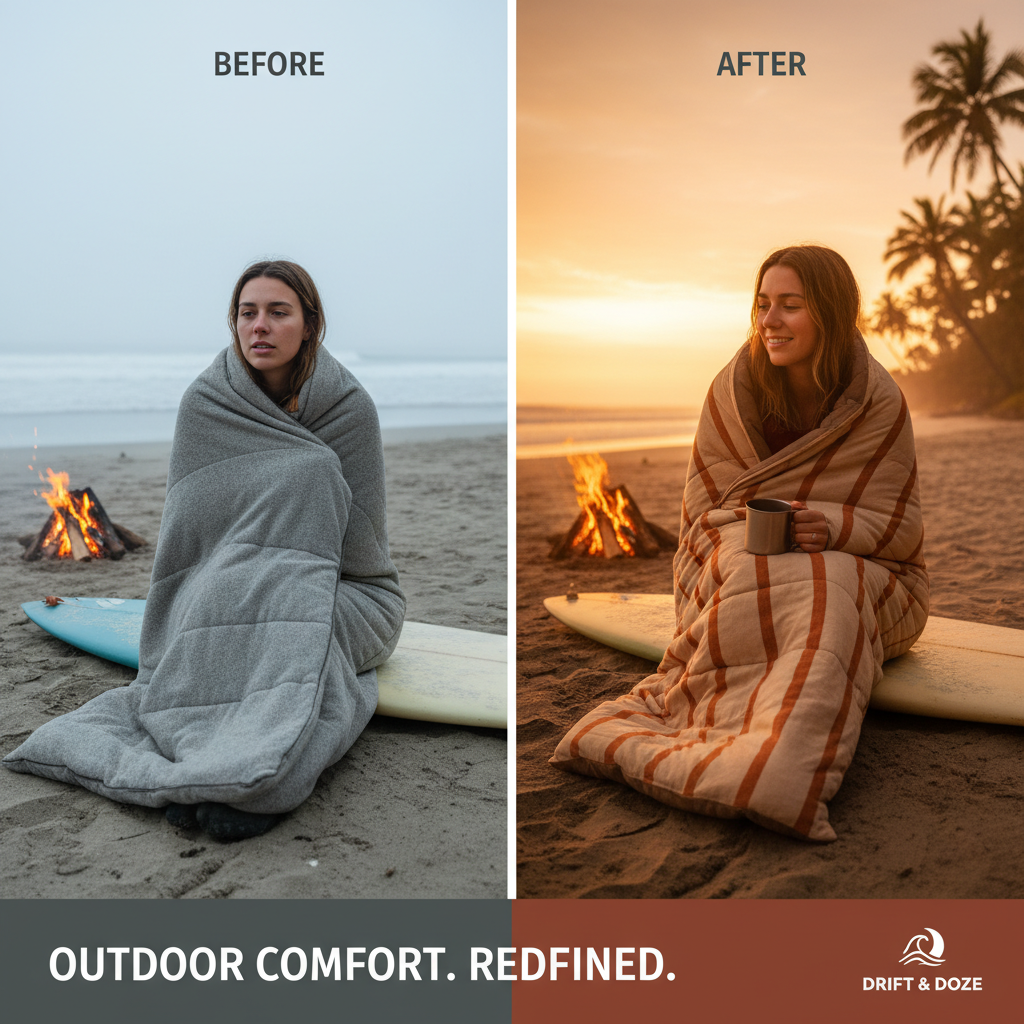
A compact sleeping bag is more than just a nighttime necessity; it's a cornerstone of preparedness, adventure, and safety. From backcountry backpacking to emergency disaster relief, the demand for reliable, portable shelter is global and constantly increasing. Understanding the nuances of these bags – their materials, temperature ratings, and packability – is crucial for anyone venturing outdoors or involved in humanitarian work. This understanding allows individuals and organizations to make informed choices, ensuring comfort, protection, and even survival in challenging environments.
The global market for outdoor equipment, including compact sleeping bags, is experiencing significant growth. According to a report by Grand View Research, the global outdoor equipment market size was valued at USD 87.82 billion in 2022 and is expected to grow at a compound annual growth rate (CAGR) of 5.4% from 2023 to 2030. This growth is fueled by increasing participation in outdoor activities, rising disposable incomes, and a growing awareness of the benefits of spending time in nature. Simultaneously, organizations like the UN Refugee Agency (UNHCR) and the International Federation of Red Cross and Red Crescent Societies (IFRC) continually seek efficient and portable shelter solutions for displaced populations.
The increasing frequency of natural disasters and the growing number of individuals participating in outdoor recreation underscore the importance of readily available and effective sleeping solutions. A well-chosen compact sleeping bag provides crucial thermal protection and a sense of security, whether facing unforeseen weather conditions on a camping trip or navigating the aftermath of a crisis. Its portability and ease of use make it an indispensable asset in a wide range of scenarios.
Introduction to Compact Sleeping Bags
The design of a compact sleeping bag focuses on maximizing warmth-to-weight ratio and minimizing packed size. This is achieved through careful selection of materials, insulation types, and construction techniques. The bags are intended for situations where space and weight are at a premium, such as backpacking, hiking, and emergency preparedness. The constant evolution of materials and designs are pushing the boundaries of what's possible in terms of warmth, comfort, and portability.
Beyond recreational uses, these bags serve a critical role in humanitarian aid. Their lightweight and packable nature makes them ideal for rapid deployment in disaster zones, providing essential thermal protection for those displaced from their homes. Organizations rely on durable, reliable compact sleeping bags to efficiently address the immediate needs of affected populations.
Defining a Compact Sleeping Bag
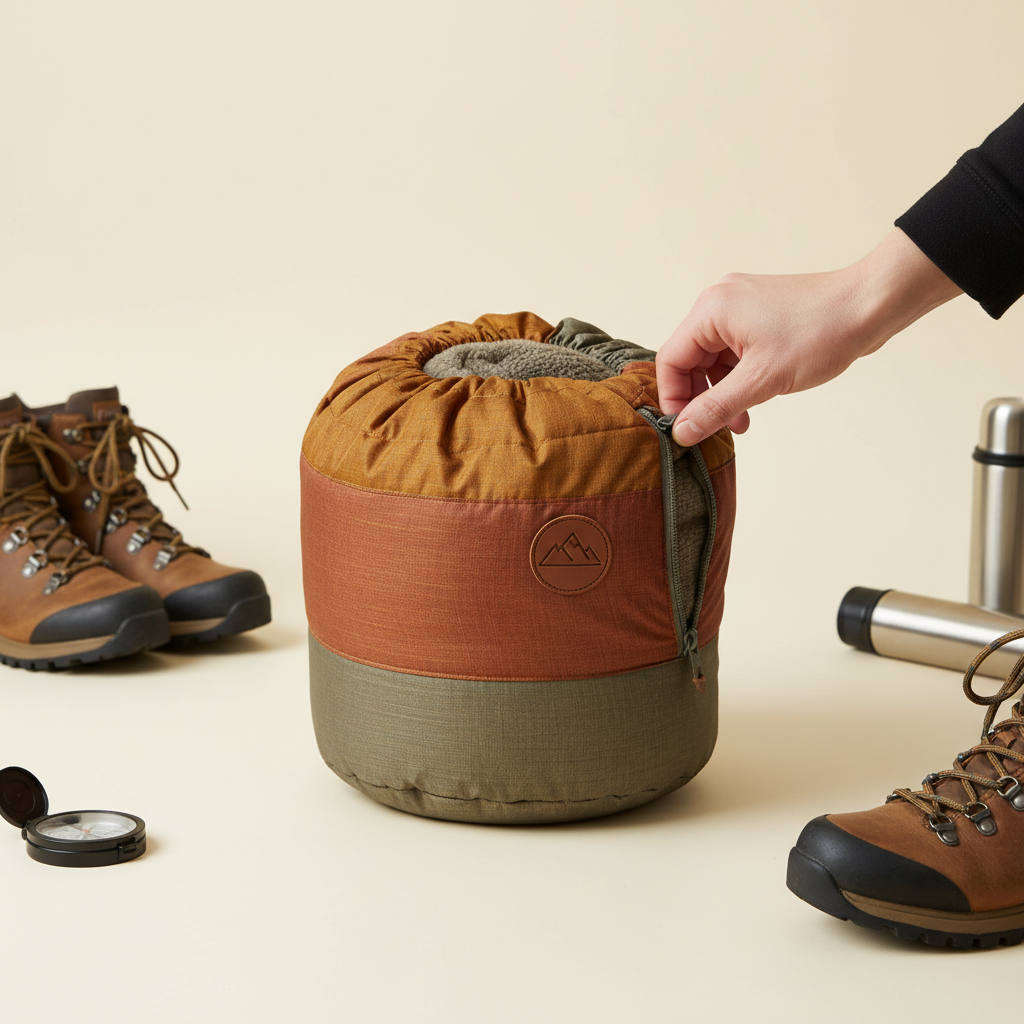
A compact sleeping bag is fundamentally a thermally insulating covering designed for individuals to sleep in, prioritizing a small packed size and low weight. Unlike bulkier sleeping bags intended for car camping or stationary use, a compact model is engineered for portability, often featuring compression sacks to further reduce volume. The crucial factor lies in achieving an optimal balance between thermal efficiency, weight, and packability.
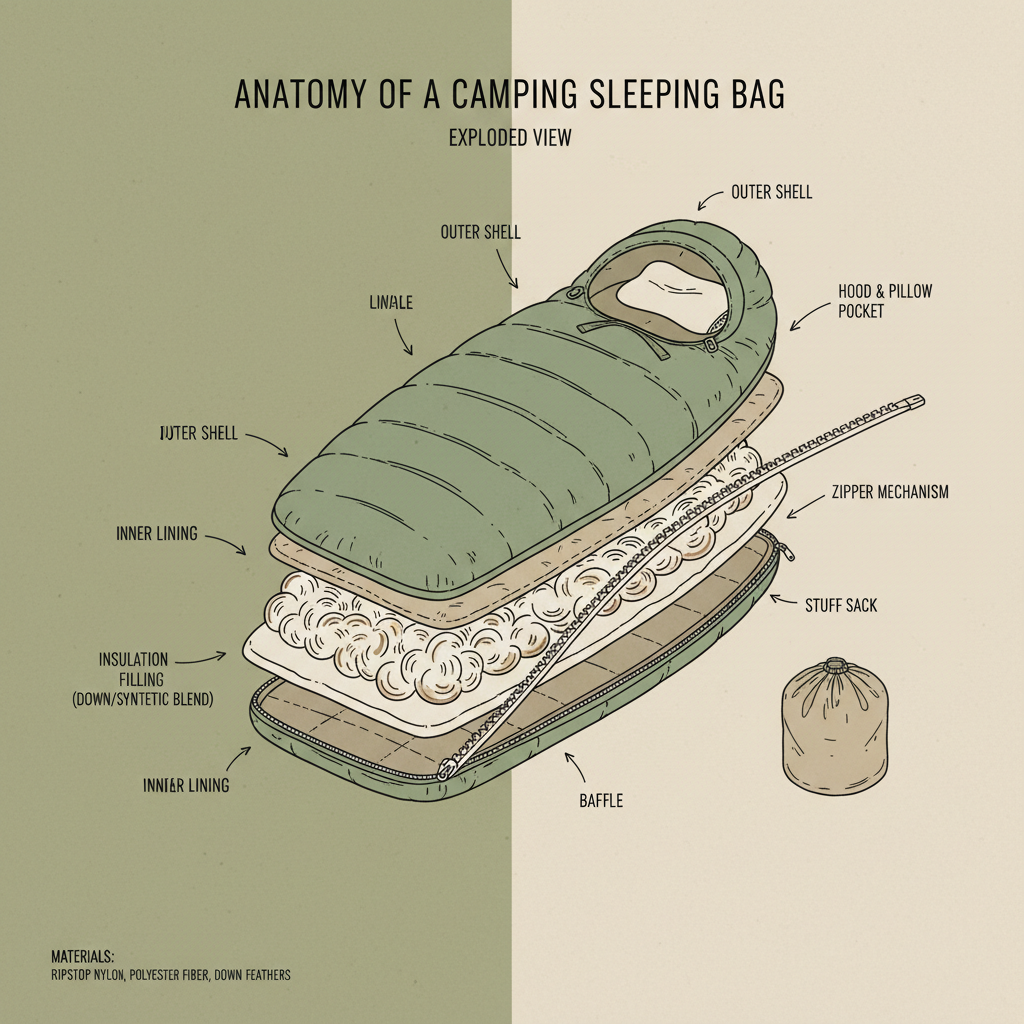
In modern terms, the concept extends beyond simple insulation. It encompasses advancements in materials science, such as down and synthetic fills with improved loft and compression characteristics. The design also considers factors like baffle construction, zipper types, and hood designs to maximize warmth and minimize heat loss. These features collectively define a compact sleeping bag as a specialized piece of equipment.
The application of this technology ties directly to both the adventure tourism and humanitarian sectors. For adventurers, the lightweight design enables carrying the bag easily, while for aid workers, the compact size facilitates efficient transport and storage of large quantities to affected regions.
Key Factors of Compact Sleeping Bags
Insulation Type: Down insulation, derived from duck or goose feathers, remains the gold standard for warmth-to-weight ratio. However, synthetic insulation offers advantages in wet conditions, maintaining some insulating properties even when damp. The choice between down and synthetic depends on the intended use and environmental conditions.
Temperature Rating: Sleeping bags are rated based on the lowest temperature at which they will keep an average sleeper warm. It's crucial to choose a bag with a rating appropriate for the expected conditions, considering factors like personal metabolism and clothing. Understanding EN and ISO temperature ratings is essential for accurate comparison.
Baffle Construction: The way the insulation is contained within the bag affects its ability to trap warm air. Baffle construction – vertical, horizontal, or a combination – prevents the insulation from shifting, eliminating cold spots and maximizing thermal efficiency.
Global Applications of Compact Sleeping Bags
The use of compact sleeping bags extends far beyond recreational backpacking. In post-disaster relief operations, organizations like the Red Cross and Doctors Without Borders rely on these bags to provide immediate shelter and protection to displaced populations facing harsh conditions. The bags’ portability allows for rapid distribution to affected areas, often via air transport.
Within the adventure tourism sector, the demand for compact sleeping bags is consistently high. Hikers, climbers, and long-distance trekkers depend on these bags to maintain comfortable sleep while minimizing pack weight. The rise in adventure travel globally continues to drive the demand for high-quality, lightweight sleeping solutions.
Furthermore, in remote industrial zones – such as oil rigs or research stations in polar regions – where space is limited and conditions are extreme, compact sleeping bags provide essential comfort and safety for workers and researchers stationed in these challenging environments.
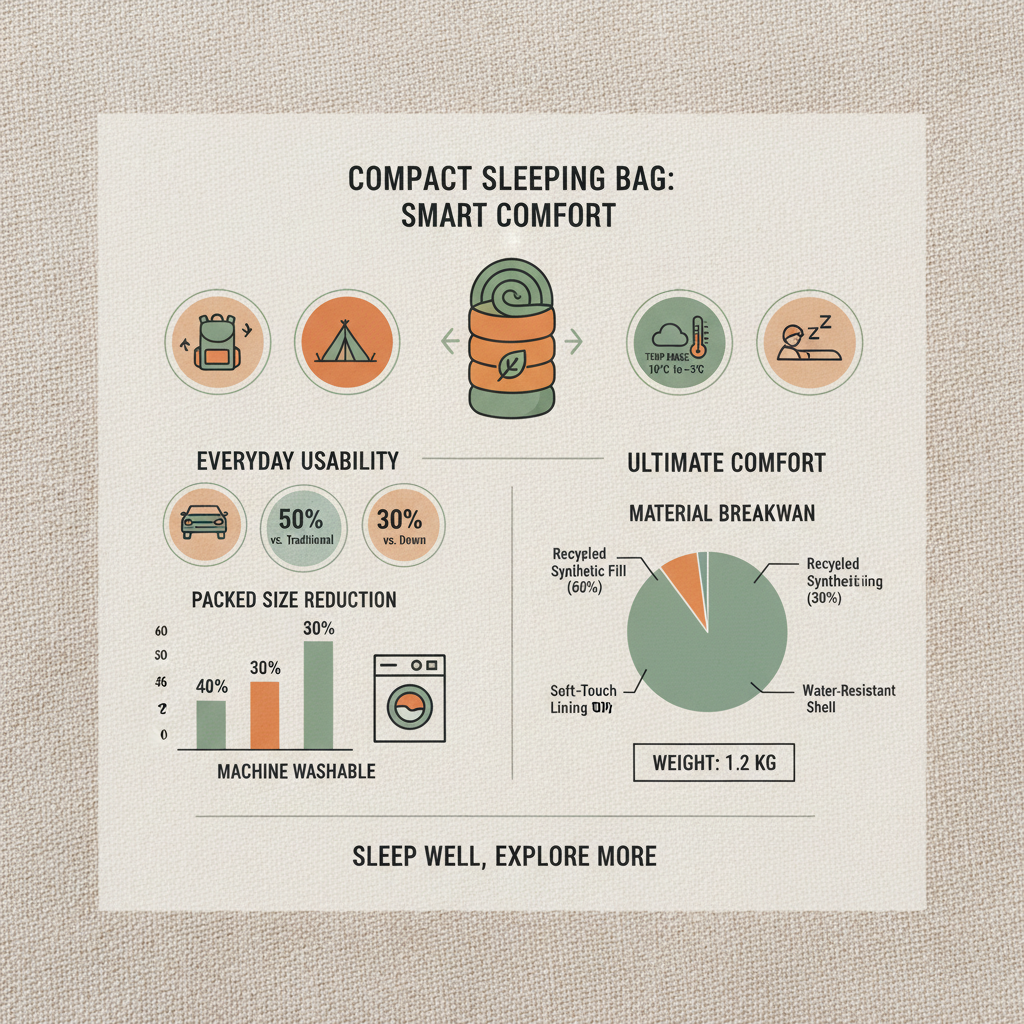
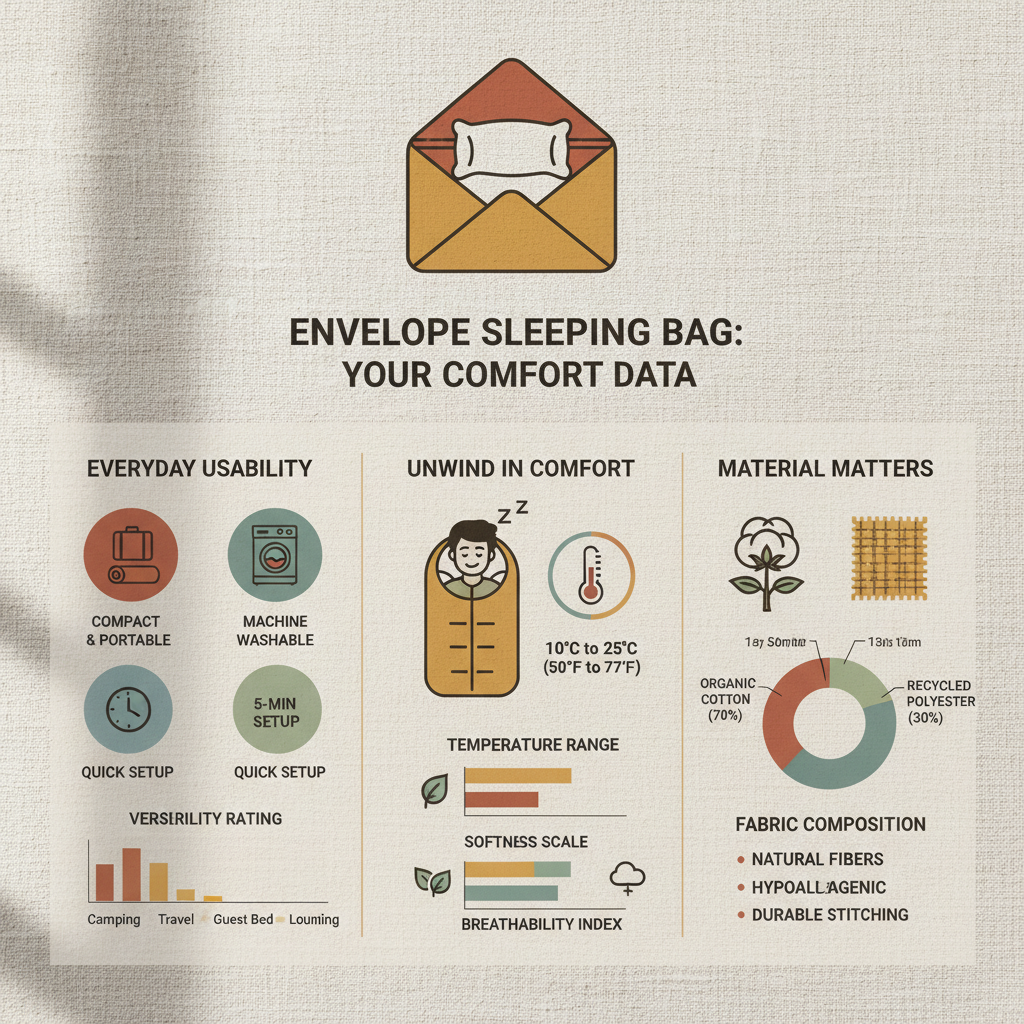
Compact Sleeping Bag Performance Comparison
Advantages of Utilizing Compact Sleeping Bags
The primary advantage of a compact sleeping bag lies in its portability, making it ideal for activities where weight and space are constrained. This translates to reduced physical strain for hikers and climbers, and increased logistical efficiency for emergency responders. The compact size also allows for easier storage and transport, particularly in disaster relief scenarios.
Beyond practicality, these bags offer a significant psychological benefit. Knowing one has reliable shelter and thermal protection can boost morale and enhance a sense of security, especially in challenging environments. The availability of a comfortable and warm sleeping arrangement contributes to better rest and improved performance.
Future Trends in Compact Sleeping Bag Technology
Innovation in materials is driving the next generation of compact sleeping bags. Researchers are exploring new synthetic fills that mimic the warmth and compressibility of down, while eliminating the drawbacks of moisture sensitivity. Advanced fabrics with improved breathability and water resistance are also being developed.
Furthermore, smart textiles incorporating heating elements are emerging, offering the potential for temperature regulation and customized warmth. These technologies could significantly enhance the comfort and versatility of compact sleeping bags, particularly in extreme conditions.
Sustainability is another key trend, with manufacturers increasingly focusing on using recycled materials and eco-friendly production processes to minimize the environmental impact of their products.
Challenges and Solutions in Compact Sleeping Bag Development
A primary challenge in compact sleeping bag development is balancing warmth, weight, packability, and durability. Increasing compressibility often compromises loft and thermal efficiency, while enhancing durability can add weight and bulk.
One solution lies in innovative baffle designs that maximize loft and minimize cold spots without adding significant weight. Another is the development of more robust and lightweight fabrics that can withstand the rigors of outdoor use.
Furthermore, improving the longevity of down fills through specialized treatments and protective shells can enhance the overall durability and value of these bags, reducing the need for frequent replacements.
Summary of Compact Sleeping Bag Development Challenges and Solutions
| Challenge Area |
Specific Issue |
Proposed Solution |
Implementation Difficulty (1-5, 5=Hardest) |
| Thermal Performance |
Maintaining warmth with reduced weight. |
Advanced baffle designs, superior insulation materials. |
3 |
| Packability |
Achieving a minimal packed size. |
High-compressibility insulation, optimized compression sacks. |
2 |
| Durability |
Resisting wear and tear in harsh conditions. |
Robust fabric selection, reinforced stress points. |
4 |
| Moisture Resistance |
Maintaining insulation when wet. |
Water-resistant shell fabrics, hydrophobic down treatments. |
3 |
| Sustainability |
Minimizing environmental impact. |
Recycled materials, eco-friendly manufacturing processes. |
4 |
| Cost |
Balancing performance with affordability. |
Optimized material sourcing, efficient manufacturing. |
5 |
FAQS
Selecting the right temperature rating is crucial for comfort and safety. Consider the lowest temperature you anticipate encountering during your trip. It's generally advisable to choose a bag rated slightly lower than the expected minimum temperature, as ratings can vary based on individual metabolism and conditions. Also, be aware of "comfort," "limit," and "extreme" ratings; the "comfort" rating is a good starting point for most users. Understanding these classifications ensures you select a compact sleeping bag appropriate for your adventures.
Down insulation offers superior warmth-to-weight ratio and compressibility, making it ideal for backpacking. However, it loses insulating properties when wet and requires more careful maintenance. Synthetic insulation retains some warmth even when damp and is generally more affordable. The best choice depends on your typical conditions and budget. A compact sleeping bag with down is excellent for dry conditions, while synthetic fills are better suited for humid environments.
Proper care is essential to maintain the loft and performance of a down sleeping bag. Store it loosely in a large storage sack when not in use, avoiding compression. Wash it only when necessary, using a down-specific detergent. Always dry it thoroughly, using a tumble dryer on low heat with tennis balls to restore loft. Follow these guidelines, and your compact sleeping bag will provide years of reliable warmth.
Fill power measures the quality of down insulation. It indicates the number of cubic inches one ounce of down will occupy. A higher fill power indicates better insulation and compressibility. Generally, a fill power of 600 or higher is considered good quality, with 800+ being excellent. Choosing a compact sleeping bag with higher fill power means you'll get more warmth for less weight.
Sleeping bag shape significantly impacts warmth and comfort. Mummy bags are designed to minimize dead air space and maximize thermal efficiency, making them ideal for cold conditions. Rectangular bags offer more room to move but are less efficient at retaining heat. Semi-rectangular bags offer a compromise between warmth and comfort. Your preferred shape when choosing a compact sleeping bag will depend on your sleeping style and the climate you'll be using it in.
Most compact sleeping bags come with a compression sack. Stuff the bag into the sack, starting with the footbox, and compress it tightly. Avoid using excessive force, as this can damage the insulation. Using a combination of compression straps and rolling the sack can help achieve maximum compression. Proper compression ensures your bag packs efficiently for your backpacking trip.
Conclusion
In conclusion, the compact sleeping bag represents a vital intersection of innovation, practicality, and safety. From enabling adventurers to explore remote landscapes to providing essential shelter in disaster-stricken areas, its versatility is undeniable. Understanding the key factors – insulation type, temperature rating, and construction – empowers informed decision-making, ensuring optimal performance in diverse conditions.
Looking ahead, continued advancements in materials science and sustainable manufacturing will further enhance the performance and environmental responsibility of these crucial pieces of equipment. Investing in a high-quality, well-maintained compact sleeping bag isn’t simply purchasing gear; it’s investing in preparedness, comfort, and ultimately, peace of mind.