High quality sleeping bags are essential for comfort and survival in a wide range of environments, from backcountry camping to emergency disaster relief. They represent a critical component of outdoor recreation, and increasingly, a necessity for vulnerable populations facing displacement or hardship. Understanding the nuances of these bags – their construction, materials, and performance characteristics – is vital for anyone seeking reliable warmth and protection. These aren’t simply items of comfort; they are investments in safety and well-being.
The global market for sleeping bags is substantial and growing, driven by an increasing interest in outdoor adventures and a rising awareness of the importance of preparedness. According to recent industry reports, the outdoor gear market is projected to reach \$85.5 billion by 2027, with sleeping bags representing a significant portion. This growth is fueled by factors such as increasing disposable income, a growing emphasis on health and wellness, and a heightened awareness of environmental sustainability.
However, the availability of truly high quality sleeping bags isn’t universal. In many regions, particularly in areas affected by conflict or natural disasters, access to adequate shelter and warmth is severely limited. This disparity highlights the need for innovative solutions and a commitment to ensuring that everyone has access to the basic necessities for survival, including effective thermal protection like a quality sleeping bag.
The Importance of High Quality Sleeping Bags
High quality sleeping bags aren't just about staying warm; they are about ensuring safety, promoting restorative sleep, and enhancing the overall outdoor experience. A poorly constructed sleeping bag can lead to hypothermia, discomfort, and a drastically reduced ability to enjoy activities like camping, hiking, or backpacking. The importance of thermal regulation cannot be overstated, particularly in extreme weather conditions.
Furthermore, the impact extends beyond recreational use. For individuals experiencing homelessness or facing emergency situations, a high quality sleeping bag can be a lifeline, providing a critical layer of protection against the elements and significantly improving their chances of survival. Providing durable, reliable sleeping bags is a tangible way to address immediate needs and demonstrate compassion in vulnerable communities.
Defining High Quality Sleeping Bags
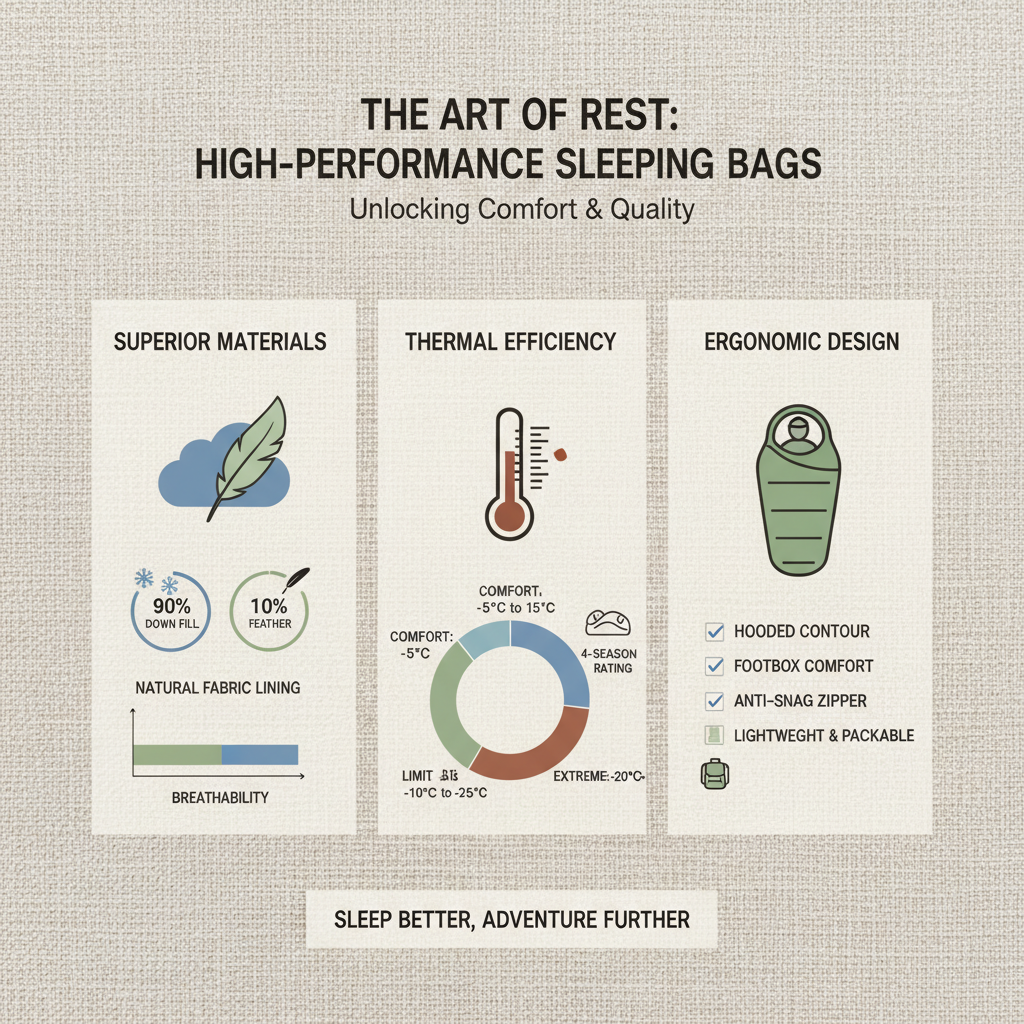
A high quality sleeping bag is characterized by its ability to efficiently retain body heat, provide consistent insulation across varying temperatures, and withstand the rigors of repeated use. This is achieved through a combination of factors, including the quality of materials used – such as fill power of down or the denier of synthetic insulation – the design of the bag’s baffle system, and the durability of its outer shell.
It differs significantly from inexpensive or poorly constructed bags which often suffer from cold spots, inconsistent insulation, and premature wear and tear. These lower-quality bags may offer minimal warmth and quickly lose their effectiveness, leaving users exposed to uncomfortable or even dangerous conditions.
In the modern context, defining “high quality” also includes considerations of sustainability. Increasingly, manufacturers are utilizing recycled materials and ethical sourcing practices to minimize their environmental impact, offering consumers a responsible choice when purchasing a sleeping bag.
Core Components of High Quality Sleeping Bags
Several core components contribute to the overall quality and performance of a sleeping bag. Firstly, the fill material – down or synthetic – dictates its insulating power and compressibility. Down, with its superior warmth-to-weight ratio, remains a popular choice, while synthetic fills offer better performance in damp conditions.
Secondly, the shell fabric must be durable, water-resistant, and breathable. Materials like ripstop nylon and polyester are commonly used, offering a balance of strength and weight. A durable water repellent (DWR) finish enhances water resistance. Thirdly, the baffle construction – the internal walls that hold the insulation in place – prevents cold spots and ensures even heat distribution.
Finally, the zipper system and hood design play crucial roles in sealing in warmth and providing a comfortable fit. High quality zippers are reliable and prevent drafts, while well-designed hoods offer optimal protection against cold air. Each of these components, when executed with precision and quality materials, defines a truly high quality sleeping bag.
Global Applications and Use Cases
High quality sleeping bags find applications across a broad spectrum of scenarios. For outdoor enthusiasts – campers, hikers, backpackers, and mountaineers – they are essential equipment for comfortable and safe adventures. The demand is particularly high in regions with challenging climates, such as the Himalayas or the Arctic.
In emergency preparedness and disaster relief, these bags provide critical thermal protection for displaced populations. Organizations like the Red Cross and Doctors Without Borders frequently deploy sleeping bags in response to natural disasters and humanitarian crises, offering immediate relief to those in need.
Furthermore, high quality sleeping bags are utilized by military personnel and research scientists working in extreme environments, offering reliable protection in challenging conditions. The demand for specialized, durable bags with specific performance characteristics continues to grow within these sectors.
Comparative Performance of High Quality Sleeping Bag Insulation Methods
Advantages and Long-Term Value
Investing in a high quality sleeping bag yields significant tangible and intangible benefits. From a cost perspective, a durable bag that lasts for years ultimately proves more economical than repeatedly replacing cheaper, lower-quality options. This longevity translates to sustainability, reducing waste and the environmental impact associated with frequent replacements.
The social impact of providing reliable shelter and warmth is profound, particularly in vulnerable communities. Beyond the physical benefits, it fosters a sense of dignity and security. Furthermore, the reliability of a high quality sleeping bag can be a matter of life or death in survival situations, offering peace of mind and increasing the likelihood of a positive outcome.
Future Trends and Innovations
The future of high quality sleeping bags is marked by a focus on sustainability and technological innovation. Recycled materials are becoming increasingly prevalent, reducing the reliance on virgin resources and minimizing environmental impact. Bio-based insulation – utilizing materials like kapok or milkweed – offers a promising alternative to traditional down and synthetic fills.
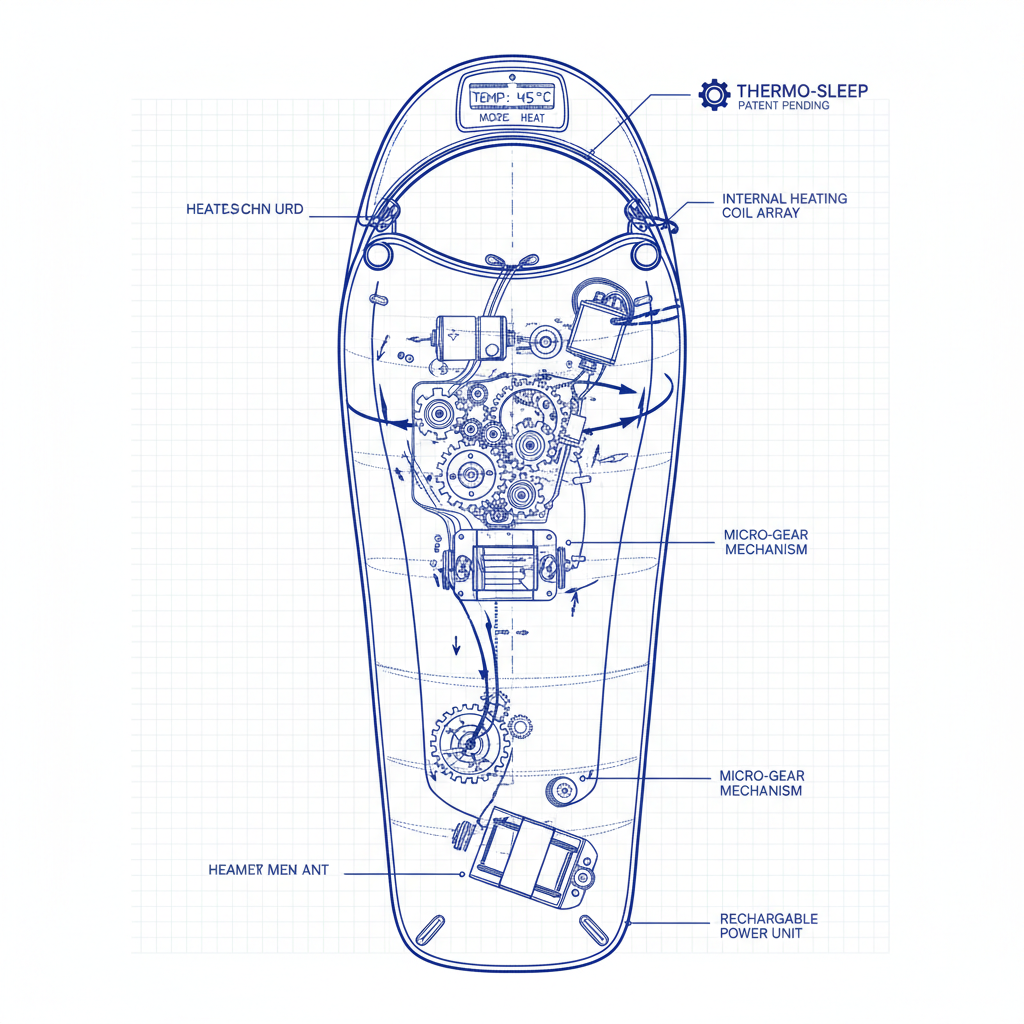
Smart textiles with integrated heating elements are also emerging, offering personalized thermal regulation and enhanced comfort. Further advancements in manufacturing techniques – such as 3D knitting and seamless construction – promise to create lighter, more efficient, and more durable sleeping bags.
Challenges and Solutions
Despite advancements, several challenges remain. The cost of high quality materials and manufacturing processes can make these bags inaccessible to many. Supply chain disruptions and the reliance on specific regions for certain materials pose risks to production. Environmental concerns related to the production of synthetic materials also need to be addressed.
Solutions include investing in research and development to create more affordable and sustainable materials, diversifying supply chains to reduce reliance on single sources, and promoting circular economy models – such as repair programs and recycling initiatives – to extend the lifespan of existing bags.
Collaborations between manufacturers, researchers, and NGOs are crucial for driving innovation and ensuring that high quality sleeping bags are accessible to all who need them.
Summary of Key Challenges and Potential Solutions for High Quality Sleeping Bags
| Challenge |
Impact on High Quality Sleeping Bags |
Potential Solution |
Implementation Timeline |
| High Production Costs |
Limits accessibility for low-income populations. |
Invest in automated manufacturing and sustainable material sourcing. |
Medium-Term (3-5 years) |
| Supply Chain Vulnerabilities |
Disruptions in material availability and increased prices. |
Diversify sourcing, establish local production hubs. |
Long-Term (5+ years) |
| Environmental Impact of Synthetics |
Microplastic pollution and reliance on fossil fuels. |
Develop biodegradable synthetic alternatives; promote recycled materials. |
Medium-Term (2-4 years) |
| Durability Concerns |
Reduced lifespan of bags, requiring frequent replacement. |
Improve material strength, reinforce stress points, offer repair services. |
Short-Term (1-2 years) |
| Lack of Standardization |
Difficulty in comparing bag performance and quality. |
Develop standardized testing protocols and rating systems. |
Medium-Term (3-5 years) |
| Consumer Awareness |
Limited understanding of the benefits of high quality bags. |
Educational campaigns, transparent product labeling, and responsible marketing. |
Ongoing |
FAQS
The ideal temperature rating depends on the conditions you’ll be facing. Consider the lowest expected temperature and add a safety margin of 5-10°F. A 'comfort rating' indicates the lowest temperature at which an average sleeper will stay warm, while a 'lower limit' is the point at which a cold sleeper might begin to feel discomfort. Look for EN/ISO ratings for standardized testing. Prioritize a bag rated for lower temperatures than you anticipate to ensure adequate warmth.
Down offers a superior warmth-to-weight ratio and is highly compressible, making it ideal for backpacking. However, it loses its insulating properties when wet. Synthetic insulation retains warmth even when damp and is generally more affordable. High-quality synthetic fills are approaching the performance of down, and are a great choice for wet climates or individuals with down allergies.
Store your sleeping bag loosely in a large storage sack, rather than compressed in its stuff sack, to prevent damage to the insulation. Regularly air it out to remove moisture. Down bags require professional cleaning; synthetic bags can often be machine washed on a gentle cycle. Always follow the manufacturer’s instructions for cleaning and care.
Fill power measures the loft of down – the amount of space 6 ounces of down occupies. A higher fill power indicates better insulation for a given weight. Generally, a fill power of 600 or higher is considered high quality. Higher fill power bags are lighter, more compressible, and provide greater warmth.
Mummy-shaped sleeping bags are generally warmer because they conform closely to the body, minimizing the amount of air space that needs to be heated. Rectangular bags offer more room but are less efficient at retaining heat. The choice depends on your preference for space and warmth. For cold-weather camping, a mummy bag is usually the better option.
Sustainable materials include recycled down and synthetic insulation, organic cotton, and bluesign®-approved fabrics. Look for certifications that verify the environmental and ethical standards of the materials used in the bag’s construction. Companies committed to sustainable practices are increasingly using these materials to minimize their impact.
Conclusion
High quality sleeping bags represent a vital investment in comfort, safety, and sustainability. From ensuring a restorative night’s sleep under the stars to providing critical thermal protection in emergency situations, these bags play a crucial role in enhancing our lives and protecting vulnerable populations. Understanding the core components, global applications, and emerging trends associated with high quality sleeping bags empowers us to make informed choices and appreciate their profound impact.
Looking ahead, continued innovation in materials, manufacturing processes, and sustainability practices will be essential for ensuring that these vital resources are accessible to all who need them. By embracing a commitment to quality, responsibility, and ongoing improvement, we can unlock the full potential of high quality sleeping bags and contribute to a more comfortable and secure world.