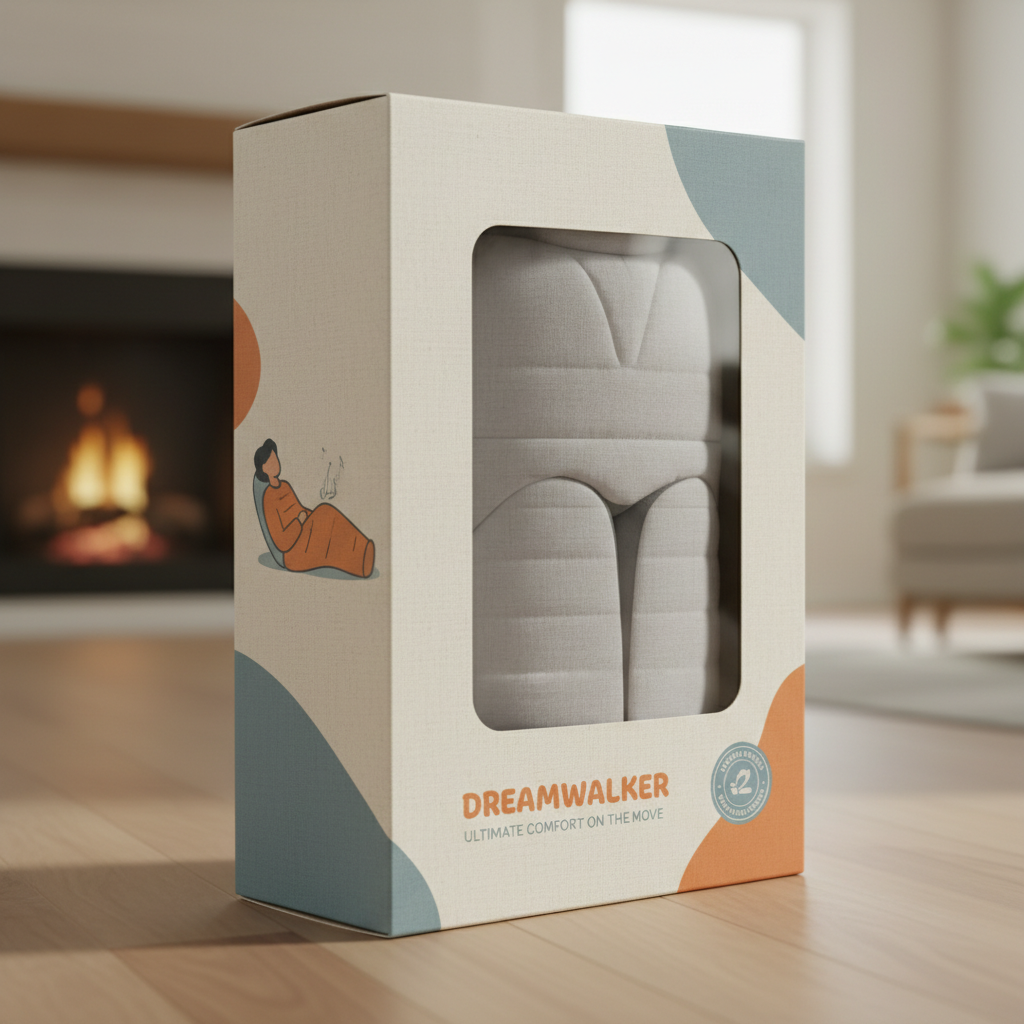
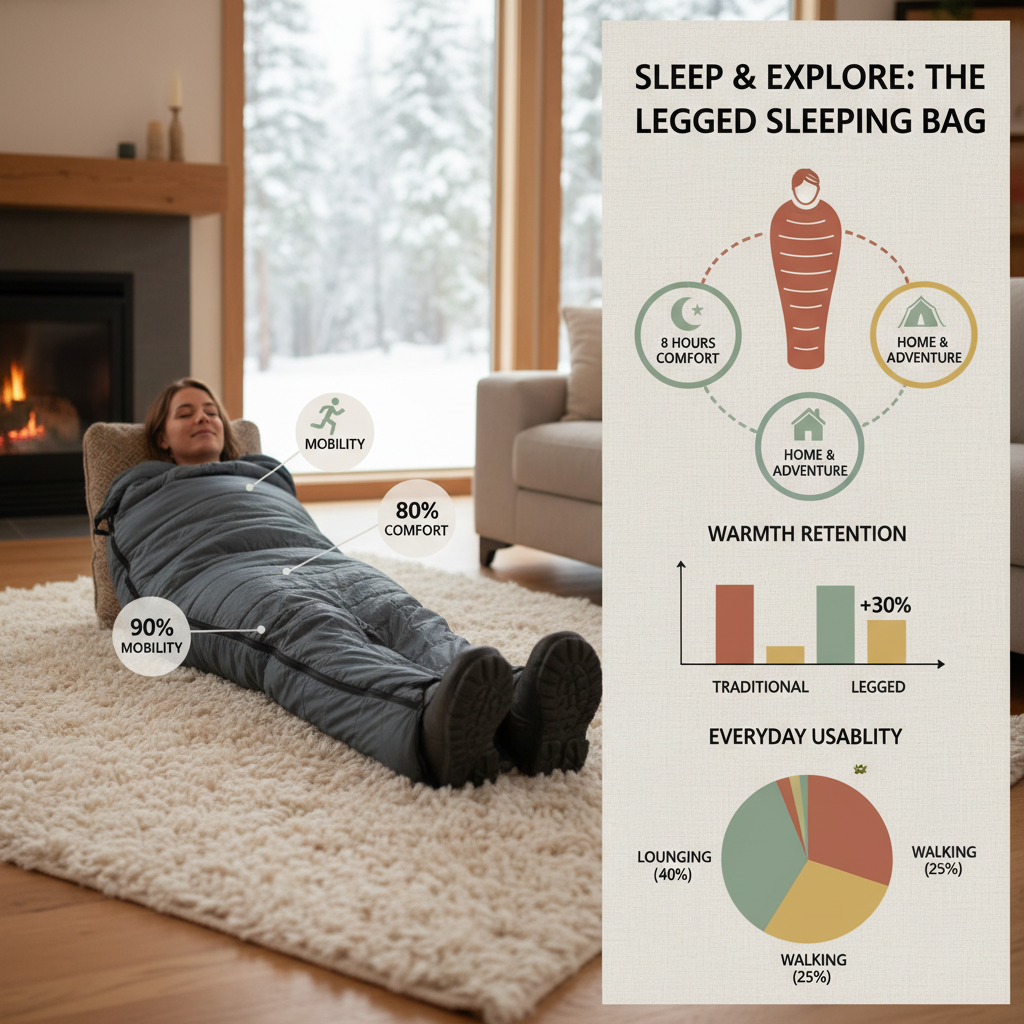
The concept of a sleeping bag with legs represents a significant innovation in portable shelter and comfort, particularly for individuals requiring extended outdoor rest or those working in challenging environments. Beyond simply providing warmth, these specialized sleeping bags offer enhanced mobility and functionality, bridging the gap between traditional sleeping bags and the need for practical, on-the-go solutions. Understanding their design, applications, and emerging trends is crucial for outdoor enthusiasts, emergency responders, and industries operating in remote locations.
Globally, the demand for efficient and adaptable shelter solutions is increasing, driven by factors like growing outdoor recreational activities, the rise of remote workforces, and the escalating frequency of natural disasters. The sleeping bag with legs addresses a specific niche within this broader need – offering a comfortable and mobile rest option where conventional setups are impractical. According to reports from the UN Refugee Agency (UNHCR), providing adequate shelter remains a critical challenge in humanitarian crises, highlighting the value of innovative, easily deployable solutions.
The sleeping bag with legs isn’t just about comfort; it's about enhancing operational efficiency and personal wellbeing in situations where mobility is essential. From outdoor researchers conducting field studies to event staff working long shifts, and even individuals facing emergency displacement, these bags offer a practical alternative to limited or non-existent resting facilities. Its versatility extends its reach across diverse contexts, making it a valuable asset in many fields.
Introduction to Sleeping Bag with Legs
A sleeping bag with legs, as the name suggests, is a modified sleeping bag design incorporating leg openings, allowing the user to remain comfortably encased within the bag while retaining a degree of mobility. This fundamentally changes the utility of a traditional sleeping bag, moving it beyond a static sleeping solution to a more dynamic and functional piece of equipment.
These designs cater to a growing need for versatile outdoor equipment, blending the warmth and security of a sleeping bag with the freedom of movement for tasks like quick meals, basic repairs, or simply enjoying the surroundings without fully exiting the bag. The benefits are particularly pronounced in colder climates or situations where minimizing exposure to the elements is paramount.
Defining the Sleeping Bag with Legs
At its core, a sleeping bag with legs represents an evolution in portable comfort. It isn’t simply a sleeping bag with holes cut in it; rather, it’s a thoughtfully engineered product that balances insulation, freedom of movement, and durability. The leg openings are strategically placed and often reinforced to prevent tearing and maintain thermal efficiency.
This design is increasingly relevant in modern industries. For example, wildlife researchers working in remote field locations benefit immensely from the ability to monitor equipment or record data while staying warm and protected. Similarly, event security personnel stationed outdoors for extended periods find the bag’s mobility invaluable. The humanitarian sector also recognizes the potential of this design for providing dignified and practical shelter in emergency situations.
The connection to modern needs stems from recognizing the limitations of traditional sleeping bags. These typically require the user to fully exit the bag for even minor tasks, leading to heat loss and increased exposure to the elements. A sleeping bag with legs offers a solution, enhancing both comfort and efficiency in a range of applications.
Core Components and Design Factors
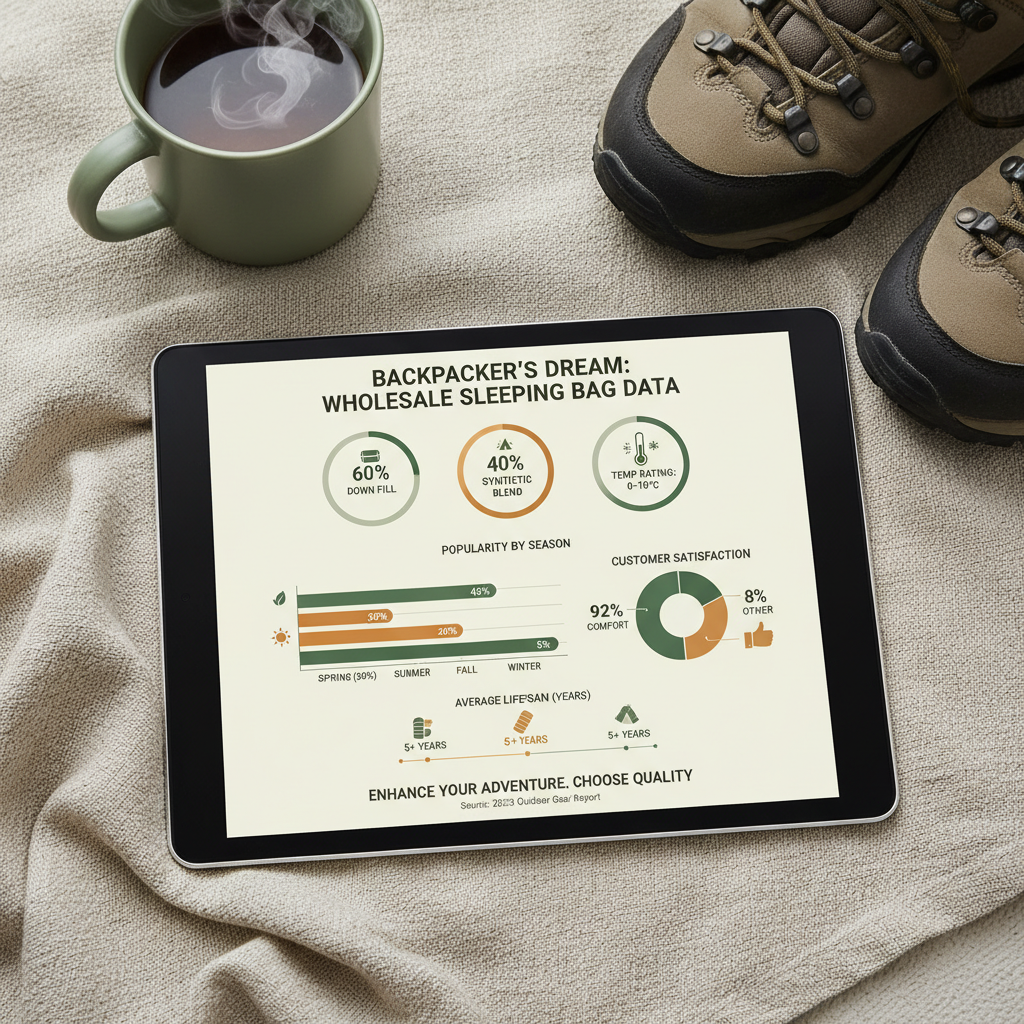
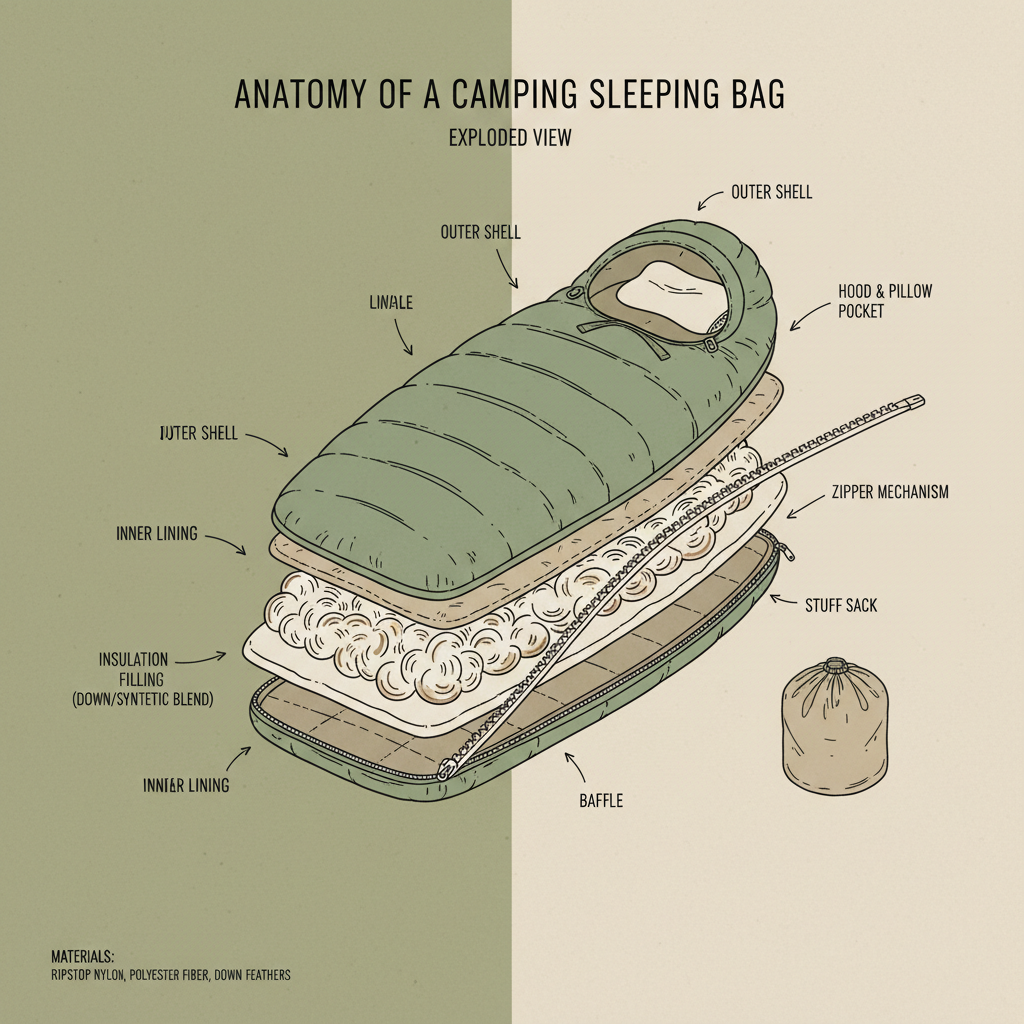
Several key aspects contribute to the effectiveness of a sleeping bag with legs. Firstly, Material Selection is crucial. High-quality, durable, and water-resistant fabrics are essential for protecting against the elements. Secondly, Insulation Quality is paramount. The type and amount of insulation (down, synthetic, or a blend) directly impact the bag’s thermal performance.
Another critical factor is Leg Opening Design. The shape, size, and reinforcement of the leg openings influence both comfort and durability. Good designs incorporate features like adjustable closures or gussets to minimize drafts and maximize freedom of movement. Weight and Packability are also vital considerations, particularly for backpacking or travel applications. A lighter, more compact bag is significantly more convenient to transport. Finally, Durability and Construction contribute heavily to longevity. Reinforced stitching, robust zippers, and abrasion-resistant materials ensure the bag withstands frequent use and harsh conditions.
These components work together to create a functional and comfortable experience. The quality of the zipper, for instance, directly affects ease of use and temperature regulation. Similarly, the type of closure used for the leg openings (drawstrings, velcro, zippers) dictates how securely the bag can be sealed and how easily it can be adjusted. Proper consideration of these factors is essential for designing a sleeping bag with legs that meets the needs of its intended users.
Ultimately, successful design hinges on balancing these factors to deliver a product that is both practical and comfortable. This often involves a trade-off between features, with manufacturers prioritizing specific aspects based on the target market and intended use case. A sleeping bag with legs for emergency responders, for example, might prioritize durability and water resistance over weight and packability.
Key Performance Indicators of Sleeping Bag with Legs
Assessing the quality of a sleeping bag with legs requires considering several performance indicators. Thermal Efficiency, measured in temperature ratings, indicates the bag’s ability to keep the user warm in various conditions. Water Resistance, quantified by waterproofness ratings, determines the bag's ability to repel moisture.
Durability, often assessed through abrasion resistance tests and zipper quality evaluations, indicates the bag's lifespan. Mobility Index, a more subjective measure, assesses the ease of movement provided by the leg openings. A higher mobility index indicates greater freedom and comfort. Weight and Pack Volume, critical for portability, are measured in kilograms and liters, respectively.
Sleeping Bag with Legs Performance Comparison
Global Applications and Use Cases
The applications of the sleeping bag with legs are surprisingly diverse. In post-disaster relief operations, these bags offer a dignified and practical shelter solution for displaced individuals, allowing them to maintain some degree of mobility and privacy. In remote industrial zones, such as oil rigs or mining camps, they provide a comfortable resting option for workers on extended shifts.
Outdoor researchers and wildlife photographers frequently utilize these bags for extended field work, enabling them to stay warm and sheltered while observing and documenting nature. Event staff working long hours at festivals or sporting events benefit from the ability to rest comfortably during breaks. The military and law enforcement also explore their potential for surveillance and temporary field deployment.
Furthermore, the growing "van life" and overlanding communities are embracing sleeping bag with legs for their convenience and versatility, providing a comfortable sleeping and resting solution in mobile living situations. These diverse applications demonstrate the adaptability and widespread utility of this innovative design.
Advantages and Long-Term Value
The advantages of a sleeping bag with legs extend beyond mere convenience. Cost-effectively, they can reduce the need for dedicated resting facilities in remote locations, minimizing infrastructure investment. From a sustainability perspective, durable models reduce the frequency of replacements, lowering environmental impact. Socially, they enhance dignity and wellbeing by providing a comfortable and private resting space.
Logically, the improved mobility contributes to increased productivity and efficiency in work environments. Emotionally, the sense of security and comfort provided by the bag fosters a positive mindset and reduces stress. Building trust in the product is vital, and comes with consistent high-quality construction and reliable performance.
Future Trends and Innovations
Several exciting trends are shaping the future of sleeping bag with legs technology. The integration of smart textiles, incorporating features like heating elements or integrated sensors, is poised to enhance thermal regulation and comfort. Advances in lightweight, sustainable materials, such as recycled fabrics and bio-based insulation, are driving eco-friendly designs.
The application of digital transformation through integrated tracking and monitoring systems could provide valuable data on usage patterns and performance, enabling continuous improvement. Automation in manufacturing processes promises to reduce production costs and increase efficiency. Focus on improving the ergonomic design of the leg openings is also anticipated, aiming for greater freedom of movement and enhanced comfort.
Challenges and Solutions
Despite its advantages, the sleeping bag with legs faces certain challenges. Durability of the leg openings remains a common concern, with potential for tearing or wear and tear. Ensuring adequate insulation around the leg openings is also crucial to prevent heat loss. Achieving a balance between freedom of movement and thermal efficiency requires careful engineering.
Solutions include using reinforced fabrics and gussets around the leg openings, incorporating adjustable closures to seal drafts, and employing advanced insulation techniques. Investing in rigorous testing and quality control is essential to ensure long-term reliability. Continuous feedback from users can inform design improvements and address emerging concerns.
Expert insights suggest exploring innovative materials like ripstop nylon with enhanced abrasion resistance and developing modular designs that allow for customization and repair. Collaboration between manufacturers and end-users is vital for creating a product that truly meets the needs of diverse applications. Ultimately, overcoming these challenges will unlock the full potential of the sleeping bag with legs.
Frequently Asked Questions About Sleeping Bag with Legs
A sleeping bag with legs offers increased mobility, allowing you to perform tasks while remaining warm and sheltered. Traditional sleeping bags require you to fully exit for any movement, leading to heat loss. The added convenience is particularly beneficial for outdoor workers, researchers, or anyone needing quick access to belongings or tools without fully exposing themselves to the elements. This increased functionality significantly improves comfort and efficiency.
Durability of leg openings is a key design consideration. High-quality sleeping bag with legs utilize reinforced fabrics, such as ripstop nylon, and robust stitching around the openings. Many designs also incorporate gussets or adjustable closures to minimize stress on the fabric. While no material is completely impervious to wear and tear, properly constructed models can withstand frequent use and challenging conditions. Regularly inspecting and maintaining the bag will extend its lifespan.
The suitability for cold temperatures depends on the bag's insulation quality and temperature rating. Sleeping bag with legs are available with varying levels of insulation, from lightweight synthetic fills to premium down. When selecting a bag for cold weather, prioritize a model with a temperature rating appropriate for the expected conditions. Ensure the leg openings have secure closures to minimize heat loss and consider layering clothing for added warmth.
Common materials include durable outer shells like nylon or polyester, often treated with water-resistant coatings. Insulation can be down, synthetic fibers (like PrimaLoft), or a blend of both. Leg openings are often reinforced with heavier-duty nylon or Cordura fabric. Zippers are typically YKK brand for reliability. Increasingly, manufacturers are utilizing recycled materials to enhance sustainability.
Cleaning typically involves spot cleaning with a mild detergent and water. Some models may be machine washable, but always check the manufacturer's instructions. Avoid harsh chemicals or abrasive cleaners. Regularly airing out the bag helps prevent moisture buildup and odors. Proper storage, loosely stuffed in a large storage sack, will maintain the insulation's loft and prolong the bag’s lifespan.
Yes, a sleeping bag with legs can be used inside a tent without issue. The added mobility can be particularly convenient in smaller tents where maneuvering can be restricted. The leg openings allow for comfortable sitting or reaching for items without fully exiting the bag. Ensure the bag fits comfortably within the tent’s dimensions and doesn't interfere with ventilation or setup.
Conclusion
The sleeping bag with legs represents a compelling evolution in portable shelter and comfort, offering a unique blend of warmth, mobility, and practicality. From enhancing productivity in remote work environments to providing dignified shelter in emergency situations, its versatile applications are continually expanding. Understanding the core components, performance indicators, and future trends surrounding this innovative design is crucial for professionals, outdoor enthusiasts, and anyone seeking a more adaptable and comfortable outdoor experience.
As technology and material science continue to advance, we can expect even more sophisticated and sustainable sleeping bag with legs designs to emerge, further solidifying their position as a valuable asset in a wide range of applications. Exploring these advancements and embracing user feedback will be key to unlocking the full potential of this innovative solution and improving the lives of those who rely on it. Visit our website: sleeping bag with legs.