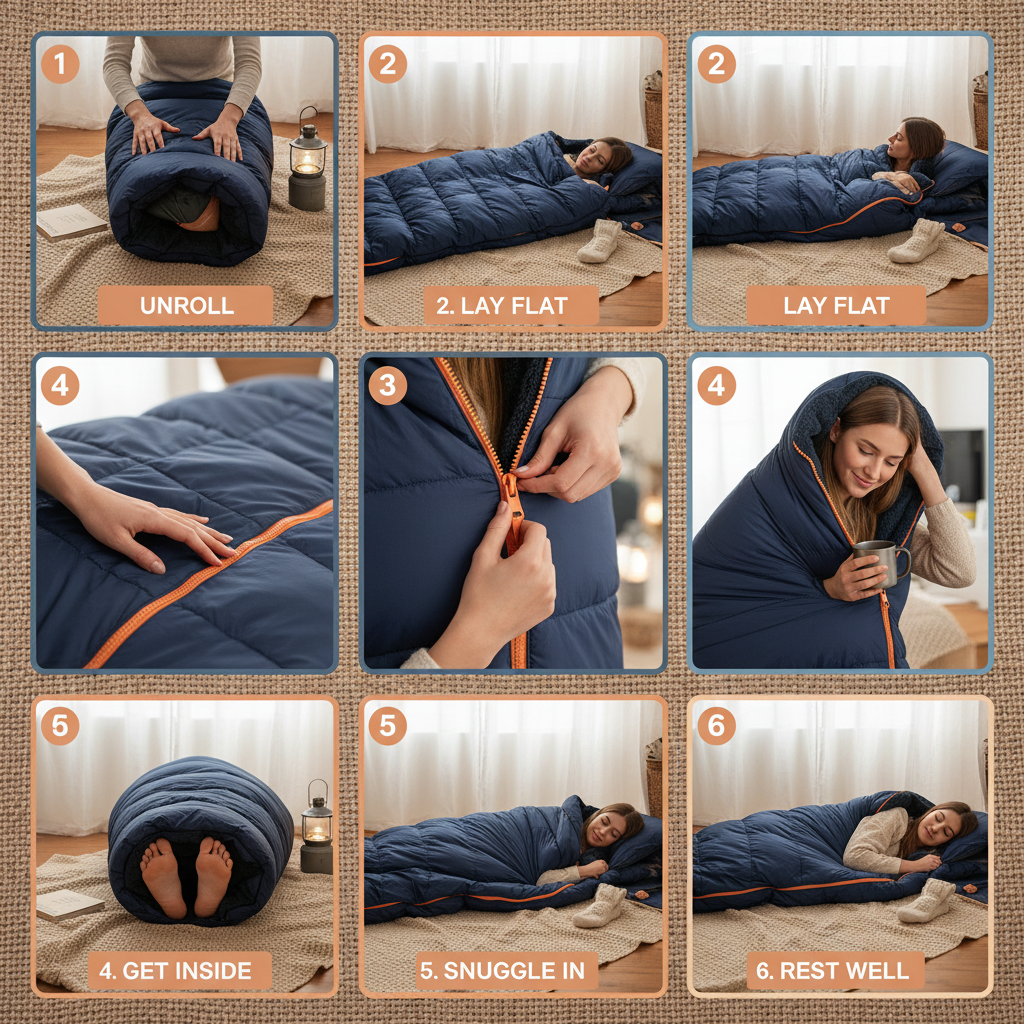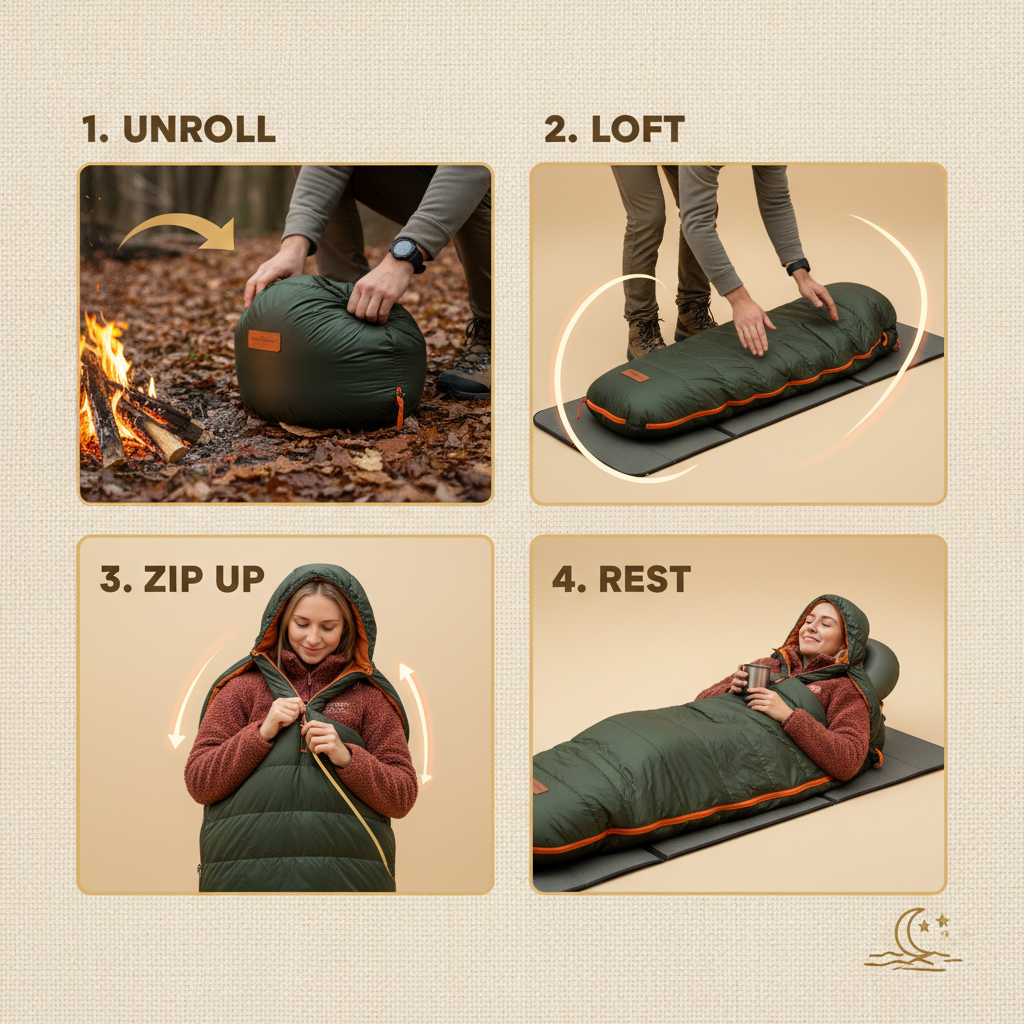
Selecting the right outdoor gear often comes down to a balance between durability and personalization. For businesses and event planners, a custom picnic rug serves as more than just a ground cover; it is a strategic touchpoint for brand visibility and user comfort in open-air environments.
Whether designed for high-traffic corporate promotional events or specialized outdoor leisure products, the specifications of a picnic mat—from the waterproof coating to the fabric weave—directly impact its lifecycle and perceived value. Understanding the textile engineering behind these products allows buyers to move beyond generic options toward tailored solutions.
This guide examines the procurement logic, material science, and customization variables essential for securing high-performance outdoor textiles that withstand varied terrains while maintaining a professional aesthetic.

Analyzing the Functional Requirements of Custom Outdoor Mats

A professional-grade custom picnic rug must address three primary environmental challenges: ground moisture, abrasive surfaces, and UV exposure. Unlike standard home rugs, outdoor variants require a dual-layer architecture where the base provides a hydrophobic barrier and the top surface offers tactile comfort.
From a manufacturing perspective, the integration of polyester or cotton flannel depends on the intended use case. While flannel provides superior warmth and softness, polyester blends offer the structural integrity and quick-drying properties necessary for unpredictable weather conditions, such as those encountered during hiking or camping.
The challenge for procurement officers is ensuring that the "custom" element—such as logo printing or specific sizing—does not compromise the structural integrity of the waterproof coating or the seam strength of the rug.
Key Technical Specifications for High-Durability Textiles
The performance of a picnic mat is defined by its denier, weave density, and the quality of its waterproof membrane. High-quality options typically utilize 170t or higher shell fabrics to ensure a tight weave that resists punctures from small stones or twigs.
Customization often involves OEM/ODM processes where filling materials, such as hollow fiber or cotton, are adjusted to control the rug's thickness and thermal insulation. For instance, a rug designed for autumn use requires a higher filling volume to prevent heat loss through conduction from the cold ground.
Furthermore, the choice of zippers and carrying bag materials is often overlooked. High-quality zippers are critical for maintaining the rug's compactness, ensuring that the product remains portable without sacrificing the longevity of the fold lines in the fabric.
Strategic Application Scenarios in Corporate and Leisure Markets
Custom picnic rugs are increasingly utilized as high-value promotional items in the hospitality and outdoor tourism sectors. By integrating brand-specific colors and logos, companies can transform a utility item into a long-term marketing tool that users carry across various public landscapes.
In the consumer leisure market, the demand has shifted toward "multi-season" versatility. Users now seek products that can transition from a light summer beach mat to a thermal-lined autumn rug. This requires a modular approach to design, where the thickness and material blend are optimized for a temperature range of approximately 15℃ to 5℃.
Additionally, the rise of "glamping" has increased the requirement for oversized, luxury-feel custom rugs. These are often characterized by a combination of a rugged waterproof base and a premium cotton flannel top, blending the utility of camping gear with the comfort of home furnishings.
Evaluating Performance Metrics Across Different Fabric Grades
Quantifying the effectiveness of outdoor textiles involves measuring water resistance, thermal retention, and abrasion resistance. When comparing standard mass-produced mats to customized professional gear, the difference is most evident in the consistency of the waterproof coating.
The following data represents relative performance benchmarks. While standard rugs may provide basic coverage, customized solutions allow for the optimization of specific attributes—such as increasing the shell density to improve water repellency or enhancing the filling for better thermal comfort.
custom picnic rug Performance Metrics
As indicated by the metrics, customized rugs typically outperform industry benchmarks in specialized categories like moisture blockage and thermal insulation because they are engineered for specific climate conditions rather than a "one size fits all" approach.
Procurement Framework for Scaling Customized Textile Orders
Scaling the production of custom outdoor textiles requires a rigorous vetting process of the manufacturer's assembly line capabilities. A critical factor is the ability to maintain color consistency across large batches of polyester or cotton flannel fabrics.
Buyers should prioritize suppliers who offer a comprehensive range of size options—from child-sized mats to extended adult lengths—to ensure the product line caters to a diverse user base. The ability to customize the logo and color palette allows for better brand alignment.
Finally, verification of the packaging process is essential. Since these products are often shipped internationally, the use of durable carrying bags and OPP bags is necessary to prevent moisture contamination and fabric crushing during transit.
Future Material Innovations in Sustainable Outdoor Gear
The outdoor textile industry is likely to see a shift toward recycled polymers and biodegradable coatings. The integration of recycled polyester (rPET) could reduce the environmental footprint of picnic rug production without sacrificing the essential waterproof properties.
Moreover, advancements in nanotechnology may lead to "self-cleaning" surfaces that repel dirt and stains more effectively than traditional coatings. This could significantly extend the product's lifecycle by reducing the need for harsh chemical cleaning.
As consumer demand for eco-friendly products grows, manufacturers may also explore organic cotton blends for the top layer, providing a sustainable alternative that maintains the same level of softness and comfort as traditional flannel.
Comparative Selection Guide for Custom Picnic Rug Variants
Choosing the right variant depends on the primary operating environment and the desired balance between weight and warmth. A rug designed for a beach setting differs fundamentally from one intended for a mountain campsite.
The following table provides a decision-making matrix based on technical approach and intended application, helping procurement officers align product specs with user needs.
| Solution Type | Primary Material | Best Use Case | Key Trade-off |
|---|---|---|---|
| Lightweight Promo | Thin Polyester | Trade Shows/Events | Low Thermal Value |
| Thermal Comfort | Cotton Flannel/Fiber | Autumn Camping | Higher Bulk/Weight |
| All-Weather Pro | Coated 170t Shell | Hiking/Wilderness | Less Surface Softness |
| Family Luxury | Hybrid Flannel-Poly | Park/Garden Use | Longer Drying Time |
| Compact Travel | High-Density Nylon | Backpacking | Limited Surface Area |
| Child-Specific | Soft Polyester Blend | Educational Trips | Reduced Durability |
Ultimately, the most effective selection is one that prioritizes the most critical failure point of the specific application—be it moisture penetration in rainy climates or thermal leakage in cold environments.
Frequently Asked Questions
Conclusion
The transition from a generic outdoor mat to a professional custom picnic rug requires a deep understanding of the trade-offs between material comfort and environmental resilience. By focusing on technical specifications like shell density and waterproof coatings, businesses can deliver products that offer genuine value to the end user.
For those evaluating specific textile solutions or seeking a manufacturing partner capable of delivering high-standard outdoor gear, the relevant product and company information available through www.aoxinoutdoor.com provides a comprehensive starting point for quality procurement.