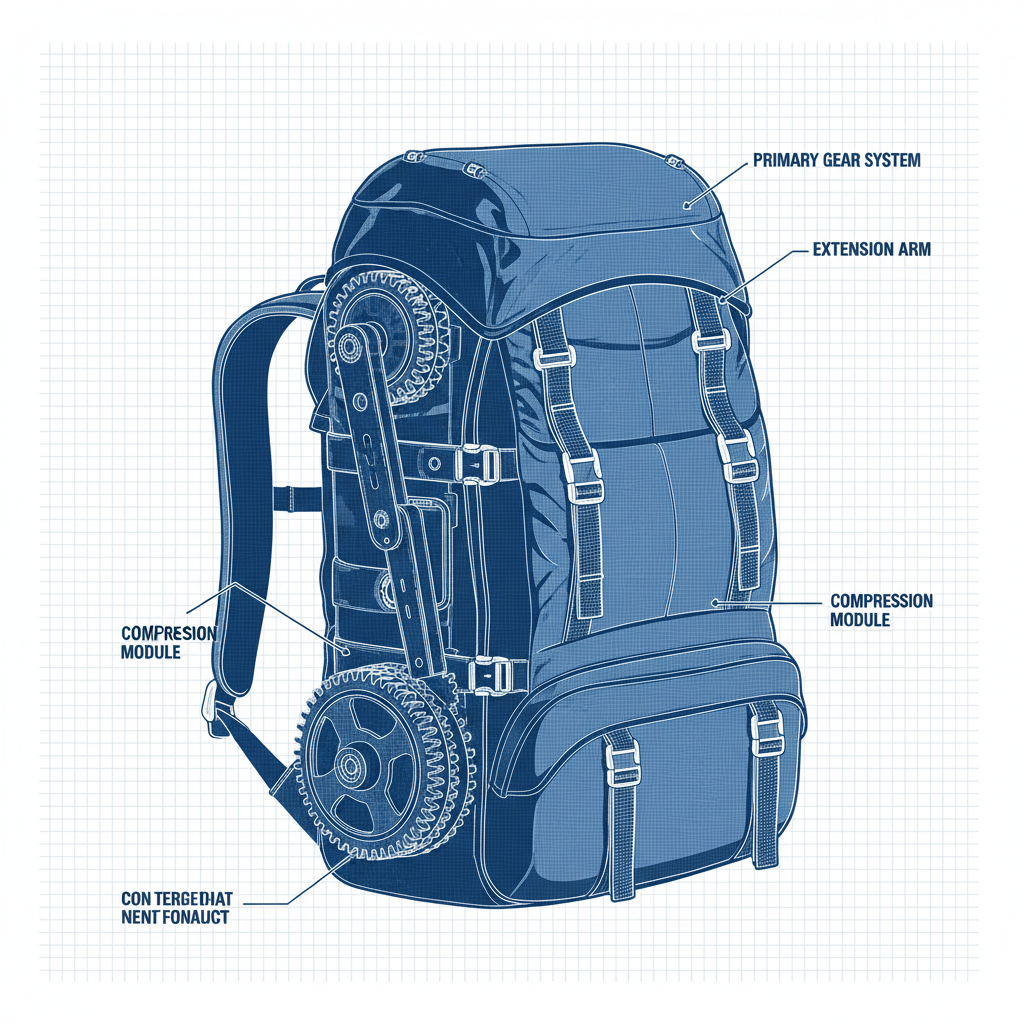
The sleeping bag jacket represents a unique convergence of portable shelter and personal warmth, evolving from specialized outdoor gear to a versatile solution for emergency preparedness, humanitarian aid, and even urban living. This innovative garment addresses critical needs for immediate protection from the elements, offering a lightweight and easily deployable alternative to traditional shelters. Understanding the capabilities and applications of the sleeping bag jacket is increasingly vital in a world facing escalating climate-related disasters and growing populations requiring accessible, rapid-response solutions.
Globally, the demand for effective and efficient emergency shelter is substantial. According to the UN Refugee Agency (UNHCR), over 89.3 million people were forcibly displaced worldwide by the end of 2021. Traditional relief efforts often face logistical hurdles in providing shelter quickly enough. The sleeping bag jacket circumvents these challenges, offering an immediate, personal shelter solution. Furthermore, the ISO standards for thermal resistance in clothing (ISO 11312) provide a framework for evaluating the performance and safety of these jackets, ensuring they meet rigorous quality requirements.
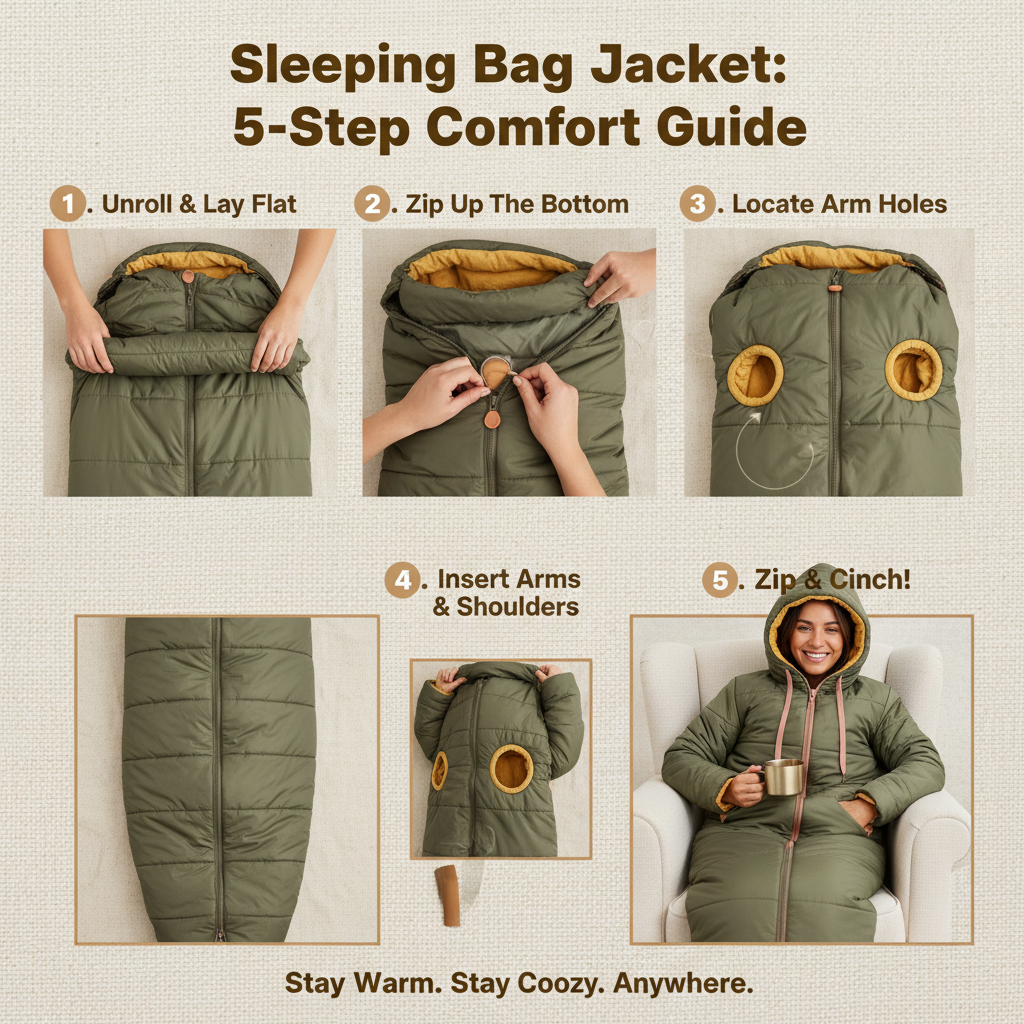
A sleeping bag jacket, fundamentally, is a wearable shelter – a waterproof and windproof outer layer integrated with an insulated sleeping bag. It’s designed to provide full-body coverage and warmth in emergency situations or harsh environments. Unlike separate shelter systems, it remains with the individual, enhancing mobility and self-reliance. Its development aligns with the modern industry's push towards adaptable, portable, and sustainable solutions, and responds to a crucial humanitarian need for rapid and dignified shelter provision.
The Core Concept of sleeping bag jacket
The fundamental principle behind the sleeping bag jacket is combining the functionality of a sleeping bag with the portability and convenience of outerwear. This isn’t merely a bulky sleeping bag you wear; it’s a carefully engineered garment optimized for warmth, weather protection, and freedom of movement. The design prioritizes immediate thermal regulation and shelter, offering a critical advantage in rapidly changing conditions.
The efficacy of a sleeping bag jacket rests on the synergy between its components: a durable, waterproof shell, a high-performance insulation layer, and a design that allows for full articulation. This core concept enables individuals to maintain body temperature and protection in environments where traditional shelter may not be immediately available or practical.
Global Relevance & Emergency Applications
The global need for rapid-deployment shelter solutions is undeniable. From natural disasters like earthquakes and hurricanes to humanitarian crises resulting from conflict or displacement, millions require immediate protection from the elements. The sleeping bag jacket offers a practical response to this need, particularly in situations where access to traditional shelter is limited or delayed. Its portability is a crucial advantage in reaching affected populations quickly.
Emergency responders, aid organizations, and even individuals preparing for potential disasters are increasingly recognizing the value of the sleeping bag jacket. Its compact size allows for easy storage in emergency kits, vehicles, or evacuation centers. Furthermore, the jacket’s inherent insulation provides a critical lifeline in situations where hypothermia is a significant risk.
The growing frequency and intensity of extreme weather events, driven by climate change, amplify the importance of adaptable and readily available shelter solutions. The sleeping bag jacket stands out as a proactive measure for enhancing resilience and ensuring individual safety in a volatile world.
Defining the sleeping bag jacket: A Wearable Shelter
A sleeping bag jacket transcends the conventional definition of outerwear. It’s a self-contained, wearable shelter system designed to provide full-body protection and warmth. This typically involves a waterproof and windproof outer layer encasing a substantial layer of thermal insulation – often down or a synthetic alternative – allowing the user to transform into a mobile, protected cocoon.
The connection to modern industry and humanitarian needs stems from the escalating demand for agile and efficient disaster relief solutions. Traditional emergency shelters, while vital, can be slow to deploy and require significant logistical support. The sleeping bag jacket offers an immediate, individual solution, reducing reliance on complex infrastructure and enabling self-sufficiency. This aligns with a growing emphasis on decentralized aid delivery and empowering affected populations.
Furthermore, the development of the sleeping bag jacket is spurred by advancements in material science, enabling the creation of lightweight, durable, and highly insulating fabrics. This continuous innovation is making these jackets more effective and accessible for a wider range of applications.
Key Performance Factors of sleeping bag jacket
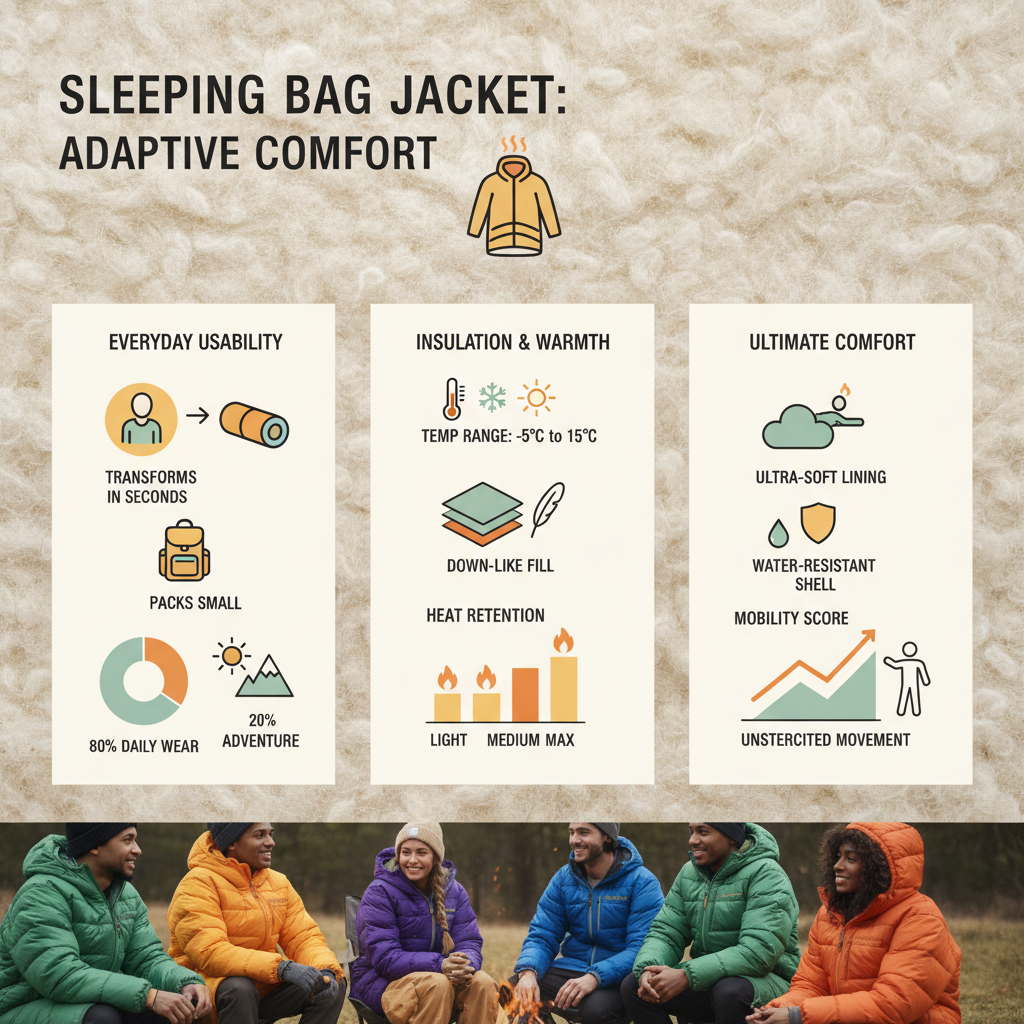
Several key factors determine the effectiveness of a sleeping bag jacket. Firstly, Durability is paramount. The outer shell must withstand harsh weather conditions, abrasion, and prolonged use. Materials like reinforced nylon or polyester are commonly employed for this purpose. Secondly, Thermal Insulation is critical. The choice between down and synthetic insulation depends on the intended use and environmental conditions.
Waterproofness and Breathability represent a third crucial element. A waterproof membrane prevents moisture ingress, while breathability allows moisture vapor from the body to escape, preventing condensation and maintaining comfort. Weight and Packability are also important considerations, particularly for emergency preparedness or backpacking scenarios. Finally, Freedom of Movement is essential; the jacket should allow for a reasonable range of motion while still providing adequate thermal protection.
sleeping bag jacket Performance Metrics
Real-World Applications and Use Cases
The applications of the sleeping bag jacket extend far beyond emergency preparedness. In post-disaster relief operations, these jackets provide immediate shelter to displaced individuals, offering critical protection from the elements while longer-term housing solutions are implemented. They're also proving invaluable for outdoor professionals working in harsh environments, such as search and rescue teams, remote researchers, and wilderness guides.
In remote industrial zones – like oil rigs or construction sites in arctic regions – where temporary shelter is needed for workers, the sleeping bag jacket offers a lightweight and portable solution. Furthermore, the growing popularity of outdoor adventure activities, such as backpacking and mountaineering, has created a demand for versatile and reliable shelter options, driving innovation in this field.
The growing homeless population in urban areas represents another critical application. These jackets can provide a lifeline for individuals experiencing homelessness, offering a degree of protection from the elements and enhancing their dignity. NGOs and charitable organizations are increasingly distributing sleeping bag jackets as part of their outreach programs.
The Advantages & Long-Term Value Proposition
The tangible benefits of the sleeping bag jacket are numerous. Cost-effectively, it often represents a more affordable shelter solution compared to constructing temporary structures or providing individual tents. Its durability contributes to long-term value, reducing the need for frequent replacements. From a sustainability perspective, advancements in recycled materials are making these jackets more eco-friendly.
Beyond the practical advantages, there's a significant social impact. Providing individuals with a safe and warm shelter fosters a sense of dignity and security, contributing to their overall well-being. The innovative design of the sleeping bag jacket also builds trust and confidence in emergency preparedness systems, empowering communities to respond effectively to crises.
Future Trends & Material Innovation
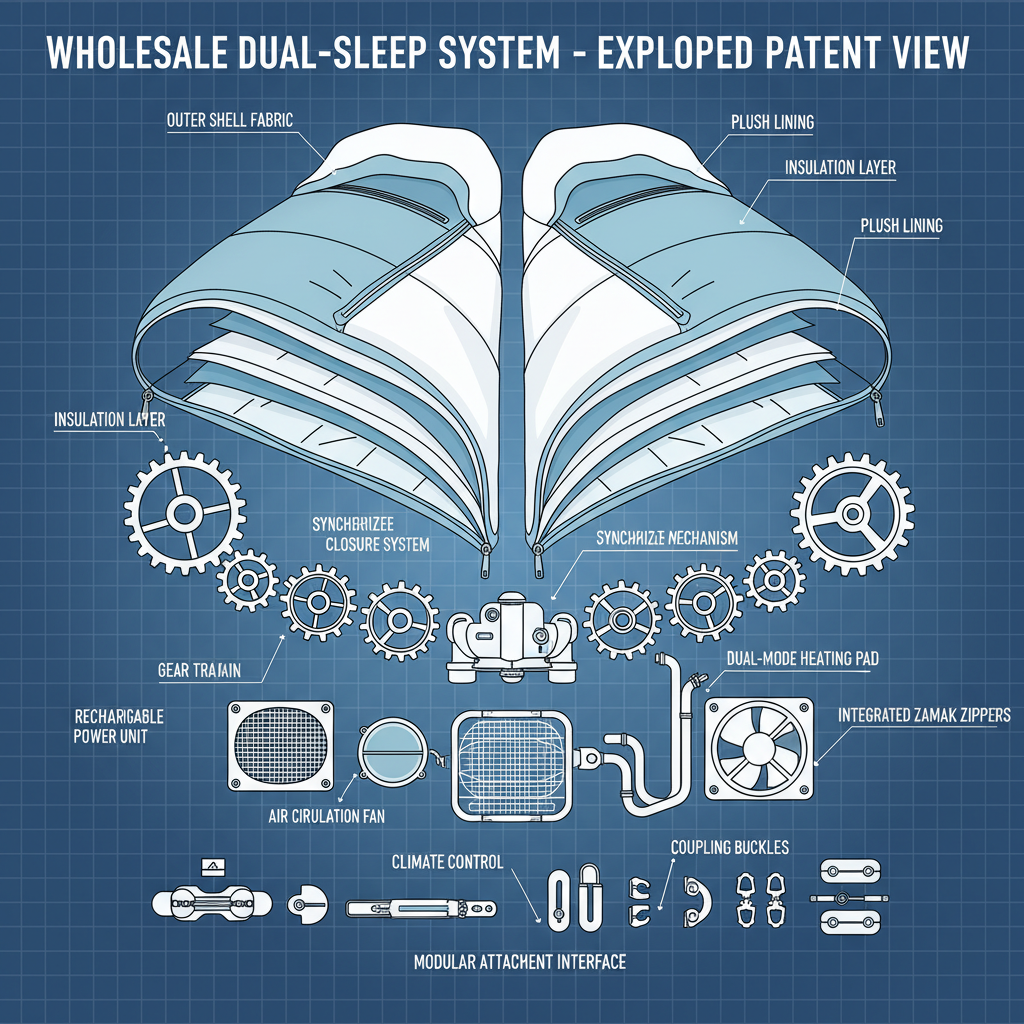
The future of the sleeping bag jacket is likely to be shaped by advancements in material science and sustainable manufacturing practices. We can anticipate the increased use of biodegradable and recycled materials, reducing the environmental footprint of these garments. Integration of smart technologies, such as embedded heating elements powered by solar energy, could enhance thermal performance and user comfort.
Research into advanced insulation materials, such as aerogels, promises to deliver even greater warmth-to-weight ratios. Furthermore, digital fabrication techniques – like 3D printing – could allow for customized designs tailored to specific environmental conditions or individual needs. These innovations will drive the evolution of the sleeping bag jacket, making it an even more effective and versatile shelter solution.
The intersection of design and technology holds significant promise. Integrating sensors to monitor body temperature and environmental conditions could lead to “smart” jackets that automatically adjust insulation levels for optimal comfort and safety.
A Comparative Analysis of Key sleeping bag jacket Attributes
| Material Composition |
Thermal Resistance (clo value) |
Waterproof Rating (mm) |
Packability (compressed volume) |
| Nylon with Down Insulation |
4.5 |
10,000 |
12L |
| Polyester with Synthetic Insulation |
3.8 |
8,000 |
10L |
| Ripstop Nylon with Hybrid Insulation |
4.2 |
15,000 |
11L |
| Recycled Polyester with Recycled Synthetic Insulation |
3.5 |
6,000 |
13L |
| Gore-Tex with Down Insulation |
4.8 |
20,000 |
14L |
| Bio-Based Nylon with Plant-Based Insulation |
3.9 |
7,000 |
11.5L |
FAQS
A sleeping bag jacket offers a superior level of integrated thermal protection compared to layering. Traditional layers can create cold spots and don't provide the same level of wind and waterproofness. The sleeping bag jacket's design encases the entire body in a thermally efficient shell, preventing heat loss and providing a more consistent temperature. It’s a holistic shelter system worn directly on the body.
High-quality sleeping bag jackets are constructed from durable materials like reinforced nylon or polyester, designed to withstand demanding use. Waterproof coatings and robust stitching further enhance their resilience. With proper care – including regular cleaning and storage – these jackets can withstand repeated use in harsh conditions for several years. The lifespan varies based on usage intensity and material quality.
Sleeping bag jackets are excellent for short to medium-term cold weather exposure, providing critical warmth and protection during emergencies or outdoor activities. However, for prolonged exposure, supplemental insulation or a traditional shelter is recommended. The jacket’s effectiveness depends on the insulation type (down vs. synthetic) and the severity of the conditions.
While a sleeping bag jacket provides substantial coverage, well-designed models prioritize freedom of movement. Articulated sleeves and a tailored fit allow for a reasonable range of motion, enabling users to perform essential tasks. However, it’s important to acknowledge that movement will be more restricted compared to wearing regular clothing.
Cleaning requirements vary based on the materials used. Down-filled jackets typically require professional cleaning to maintain loft and prevent clumping. Synthetic-filled jackets can often be machine washed, but it's crucial to follow the manufacturer's instructions. Regular airing and spot cleaning are also recommended.
Yes, sleeping bag jackets are generally available in a range of sizes to accommodate diverse body types. It’s essential to consult the manufacturer’s sizing chart and consider whether you’ll be wearing layers underneath when selecting the appropriate size. A proper fit is crucial for maximizing warmth and comfort.
Conclusion
The sleeping bag jacket represents a significant advancement in portable shelter technology, bridging the gap between emergency preparedness and personal comfort. Its ability to provide immediate, full-body protection from the elements, coupled with its lightweight and packable design, makes it an invaluable asset in a wide range of scenarios, from disaster relief to outdoor adventures. The continued innovation in materials and design promises to further enhance its performance and accessibility.
Looking ahead, the sleeping bag jacket’s potential extends beyond individual protection. Integrating these jackets into broader emergency response plans and promoting their use among vulnerable populations can significantly enhance community resilience. By embracing this innovative solution, we can empower individuals and communities to face the challenges of a changing world with greater confidence and security. Visit our website for the latest models and innovations: sleeping bag jacket.