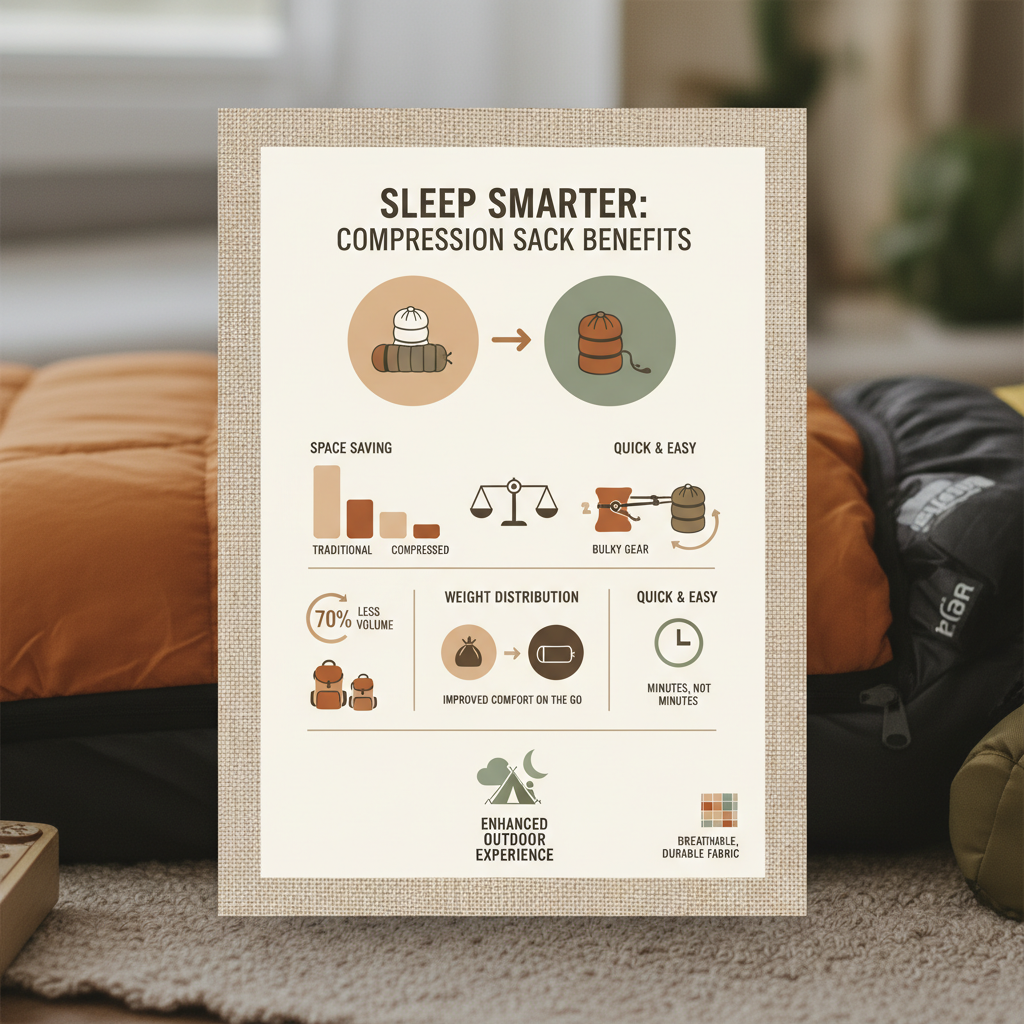
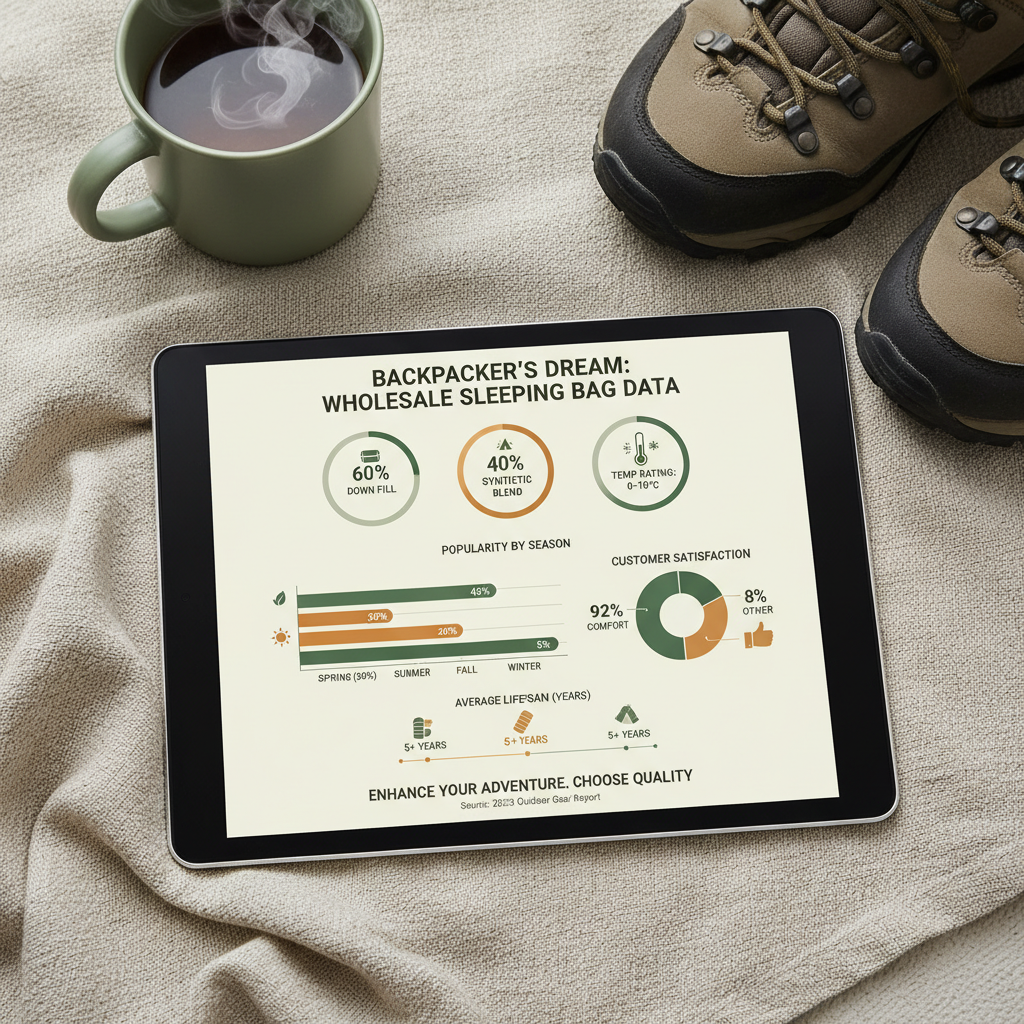
The need for efficient packing solutions is paramount in today's world, whether for outdoor adventures, travel, or emergency preparedness. A sleeping bag compression sack addresses this need directly, minimizing volume and weight for easier transport and storage. This seemingly simple tool has significant implications across a diverse range of applications, impacting everything from backpacking experiences to disaster relief logistics. Understanding the nuances of these sacks – their materials, construction, and effectiveness – is crucial for anyone seeking to optimize their gear management.
Globally, the demand for lightweight and compact gear is consistently rising. The outdoor recreation industry is experiencing substantial growth, fueled by increasing participation in activities like hiking, camping, and mountaineering. Simultaneously, humanitarian organizations are continually seeking ways to deliver aid more efficiently and effectively, with space and weight constraints often being critical factors. The sleeping bag compression sack, therefore, isn’t merely a convenience item; it’s a facilitator of broader societal trends and essential logistical support.
Furthermore, advancements in material science are continually improving the performance of these compression sacks. From durable, waterproof fabrics to innovative closure systems, the evolution of this product demonstrates a commitment to enhancing user experience and functionality. A well-chosen sleeping bag compression sack can extend the lifespan of valuable sleeping bags by protecting them from damage during transport and storage, making it a worthwhile investment for both casual and serious adventurers.
Introduction to Sleeping Bag Compression Sacks
A sleeping bag compression sack is a critical piece of gear for anyone looking to reduce the bulk of their sleeping bag for easier packing and transport. They are particularly vital for backpacking, camping, and any activity where space and weight are at a premium. The primary function is to compress the insulating material within the bag, significantly decreasing its volume without compromising its loft and thermal performance when unpacked.
The impact extends beyond convenience; a properly compressed sleeping bag is also better protected from damage. Compression sacks shield the bag from abrasion, moisture, and even pests, preserving its insulating properties and extending its lifespan. Choosing the right compression sack – considering factors like material, size, and closure system – is therefore a crucial decision for outdoor enthusiasts and emergency responders alike.
Defining a Sleeping Bag Compression Sack
At its core, a sleeping bag compression sack is a specialized bag designed to reduce the volume of a sleeping bag through compression. Unlike simple stuff sacks that merely contain the bag, compression sacks utilize straps, buckles, or cinches to actively squeeze the air out of the sleeping bag, resulting in a significantly smaller package. These sacks come in various materials, ranging from lightweight nylon to more durable polyester, each offering different levels of weather resistance and abrasion protection.
The connection to modern industry lies in the growing demand for portable and efficient solutions. The outdoor gear market is constantly innovating to meet the needs of adventurers who prioritize lightweight and compact equipment. Simultaneously, emergency response organizations rely on compressed gear to maximize space in disaster relief shipments, allowing them to deliver essential supplies to affected populations more effectively.
The humanitarian need is also significant. In situations where people are displaced or living in temporary shelters, having a compact and warm sleeping bag, facilitated by a compression sack, can provide critical comfort and protection against the elements, contributing to overall well-being and dignity.
Core Components of Effective Compression
Several key factors determine the effectiveness of a sleeping bag compression sack. Firstly, material durability is paramount. The sack must withstand repeated compression cycles and the rigors of outdoor use without tearing or failing. Secondly, compression ratio – the extent to which the bag can be reduced in size – is crucial for maximizing space savings.
Thirdly, closure system plays a significant role. Options include buckle straps, cinch cords, and roll-top closures, each offering varying degrees of compression and ease of use. Fourthly, water resistance is important to protect the sleeping bag from moisture, particularly in inclement weather. Finally, weight is a critical consideration, as adding a heavy compression sack negates some of the benefits of reduced sleeping bag volume.
These factors work in concert to determine the overall performance of the sack. A well-designed compression sack will strike a balance between durability, compression efficiency, ease of use, and weight, providing a reliable and effective solution for packing and transporting sleeping bags.
Real-World Applications and Use Cases
The applications of a sleeping bag compression sack are remarkably diverse. In post-disaster relief operations, these sacks are invaluable for efficiently packing and transporting blankets and sleeping bags to survivors. In remote industrial zones, workers rely on them to minimize the space occupied by their bedding during rotational assignments.
Backpackers and hikers utilize them to reduce the weight and volume of their packs, making long-distance treks more manageable. Mountaineers and climbers depend on their ability to securely compress their sleeping bags for attachment to their packs. Furthermore, these sacks are commonly used by military personnel for compacting bedding in field operations.
Comparison of Sleeping Bag Compression Sack Methods
Advantages and Long-Term Value
The benefits of using a sleeping bag compression sack extend beyond mere convenience. Cost savings are realized through reduced shipping expenses, particularly for organizations transporting large quantities of bedding. Sustainability is enhanced by prolonging the lifespan of sleeping bags, decreasing the need for frequent replacements.
The social impact is also considerable. Providing comfortable and compact bedding to those in need contributes to their dignity and well-being. Reliability is a key advantage, ensuring that sleeping bags remain protected and functional even in challenging environments. Furthermore, the peace of mind knowing gear is secure and organized adds to the overall experience.
Future Trends and Innovations
The future of sleeping bag compression sack technology is likely to be shaped by several emerging trends. Advancements in lightweight and ultra-durable materials, such as recycled fabrics and bio-based polymers, will contribute to more sustainable and eco-friendly products. Integration of smart technologies, such as built-in sensors to monitor compression levels, could also become commonplace.
Furthermore, the development of self-compressing sleeping bags, incorporating integrated compression systems, may revolutionize the way we pack and transport bedding. Digital integration, potentially through QR codes linking to care instructions or warranty information, could enhance the user experience.
Challenges and Solutions
Despite their benefits, sleeping bag compression sacks face certain challenges. One common limitation is the potential for over-compression, which can damage the insulation of down sleeping bags. Another challenge is the durability of compression straps and buckles, which can fail under heavy use.
Solutions include educating users about proper compression techniques, emphasizing the importance of avoiding excessive force. Manufacturers can improve durability by using higher-quality materials and reinforcement techniques. Designing modular systems, allowing for replacement of individual components, could also extend the lifespan of the sacks.
Finally, ongoing research into advanced materials and closure systems will continue to improve the overall performance and reliability of these essential packing tools.
Summary of Sleeping Bag Compression Sack Challenges and Solutions
| Challenge |
Impact |
Proposed Solution |
Implementation Cost (1-10) |
| Over-Compression |
Reduced Insulation |
User Education & Material Selection |
2 |
| Buckle/Strap Failure |
Loss of Compression |
High-Quality Materials & Reinforcement |
6 |
| Material Durability |
Sack Tears & Damage |
Advanced Fabric Technology |
7 |
| Water Resistance |
Wet Sleeping Bag |
Waterproof Coating & Design |
5 |
| Weight of Sack |
Increases Pack Weight |
Lightweight Material Selection |
4 |
| Repair Difficulty |
Sack Becomes Unusable |
Modular Design & Replacement Parts |
3 |
FAQS
Determining the right size depends on the packed volume of your sleeping bag. Most sacks are categorized by volume (e.g., 20L, 30L). Check your sleeping bag's specifications for its packed size, and choose a sack that’s slightly larger. Too small, and you risk damaging the bag. Too large, and you won’t achieve optimal compression. Consider the shape of your bag (mummy or rectangular) as well when selecting a size.
Not all compression sacks are fully waterproof. Many are water-resistant, meaning they can repel light rain or moisture, but prolonged exposure or submersion can lead to wet contents. If you need complete waterproofing, look for sacks specifically labeled as waterproof and featuring taped seams or a waterproof coating. Using a waterproof liner inside the compression sack is another good practice.
Down sleeping bags require a gentler approach to compression. Avoid over-compressing, as this can damage the down clusters and reduce their insulating ability. Compress in stages, gradually tightening the straps. Store your down bag loosely when not in use to allow the down to loft and recover. A larger compression sack is recommended for down bags to avoid excessive pressure.
Common materials include nylon and polyester. Nylon is lightweight and durable, while polyester offers good abrasion resistance and is often more affordable. Some high-end sacks utilize ripstop fabrics for enhanced tear strength. The choice depends on your budget and intended use. Consider the denier (D) of the fabric – a higher number indicates a more durable material.
Yes, sleeping bag compression sacks are versatile and can be used to compress other soft items like clothing, towels, or even bulky food items. However, be mindful of the item's fragility. Avoid compressing delicate items excessively, as this could cause damage. Ensure the sack is clean before packing different items to prevent odors or contamination.
Most compression sacks can be hand-washed with mild soap and water. Avoid harsh detergents or bleach. Rinse thoroughly and air dry completely. Check the manufacturer's instructions for specific cleaning recommendations. Regularly cleaning your sack will help maintain its integrity and prevent odors. Store the sack empty and uncompressed when not in use.
Conclusion
In conclusion, the sleeping bag compression sack is a deceptively simple yet incredibly valuable tool. From enhancing the convenience of outdoor adventures to facilitating efficient disaster relief efforts, its applications are widespread and impactful. Understanding the core components – material durability, compression ratio, and closure systems – is essential for choosing the right sack for your needs. The long-term benefits extend beyond mere space savings, encompassing improved gear protection, increased sustainability, and enhanced overall preparedness.
Looking ahead, continued innovation in materials and design will further refine the performance of these sacks, making them even more lightweight, durable, and user-friendly. By embracing these advancements and prioritizing responsible gear management, we can unlock the full potential of this essential piece of equipment and continue to benefit from its versatility and effectiveness. Visit our website at www.aoxinoutdoor.com to explore our range of high-quality compression sacks and gear.