

Mar . 17, 2026 03:08 Back to list
Choosing the Perfect Sleeping Bag Quilt for Your Outdoor Adventures
Choosing the Right Sleeping Bag Quilt for Your Adventures
When planning outdoor adventures, selecting the right sleep system is crucial for comfort and safety. A sleeping bag quilt offers a versatile and lightweight alternative to traditional sleeping bags. This article explores the benefits, considerations, and types of sleeping bag quilts, helping you make an informed decision for your next backpacking trip or camping excursion. We’ll cover everything from temperature ratings to material choices, ensuring you stay warm and comfortable in the great outdoors.
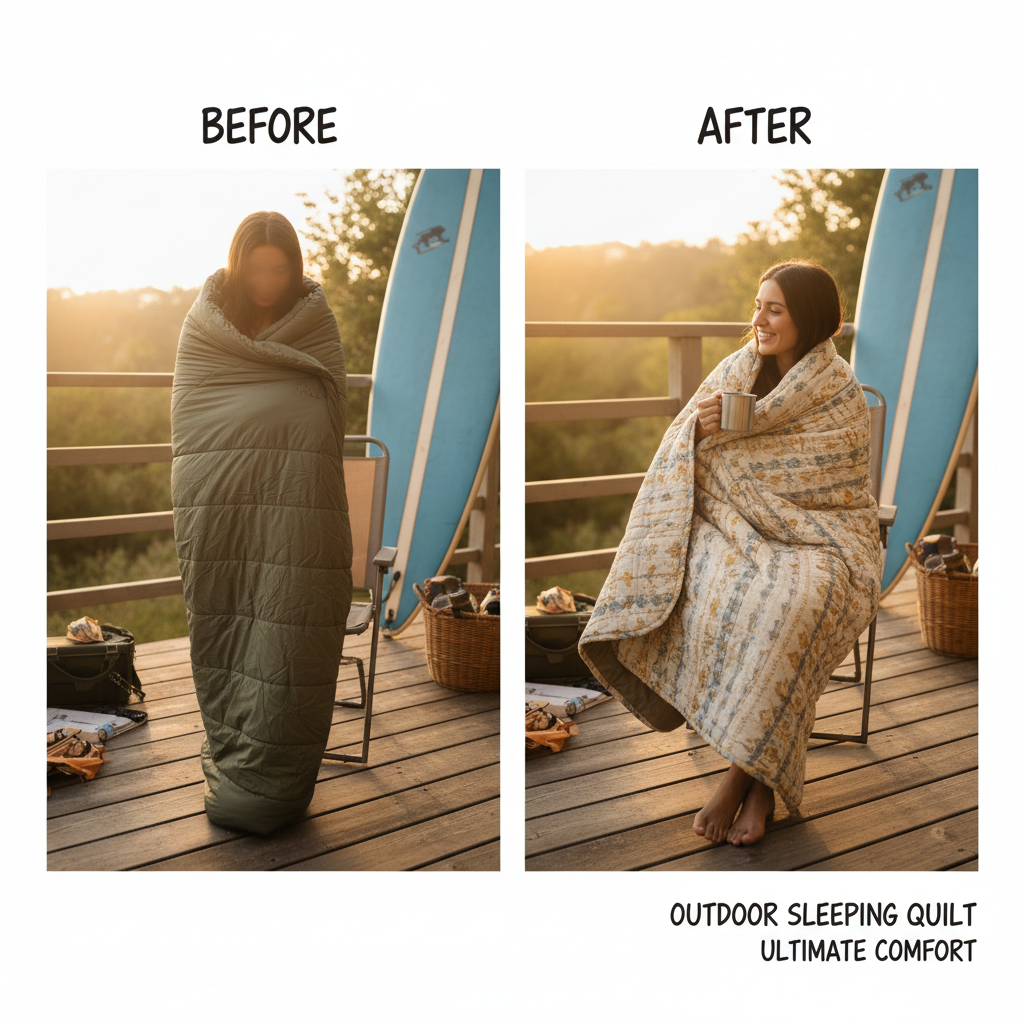
What is a Sleeping Bag Quilt?
A sleeping bag quilt is essentially a sleeping bag without a full bottom closure. Instead of being encased, you sleep under the quilt, using your sleeping pad for insulation underneath. This design offers several advantages, including reduced weight and increased breathability. Quilts often feature a footbox and a draft collar to prevent heat loss, but their open design allows for greater freedom of movement and ventilation. Many adventurers are turning to quilts for their versatility and performance in a range of conditions. You can find a variety of sleeping bag quilts at Aoxin Outdoor.
Key Highlights: Sleeping bag quilts offer reduced weight, improved breathability, and increased freedom of movement compared to traditional sleeping bags.
Benefits of Using a Sleeping Bag Quilt
The popularity of sleeping bag quilts stems from several key benefits. First, they are typically lighter than comparable temperature-rated sleeping bags. This is a significant advantage for backpackers aiming to minimize their pack weight. Second, quilts provide superior ventilation, reducing the chance of overheating and condensation build-up. Third, the open design allows for more freedom of movement during sleep. Finally, many users find quilts more comfortable and adaptable to different sleeping positions. A well-chosen sleeping bag quilt can significantly enhance your outdoor experience.
Key Advantages:
• Lighter weight for backpacking
• Improved breathability & ventilation
• Increased freedom of movement
• Enhanced comfort
Understanding Temperature Ratings for Sleeping Bag Quilts
Like sleeping bags, quilts are rated for specific temperature ranges. However, temperature ratings can be subjective and depend on factors like your metabolism, insulation layers, and the temperature of your sleeping pad. It's crucial to choose a quilt rated for temperatures lower than those you anticipate encountering. Consider a quilt with a comfort rating of at least 10-15°F below the expected low temperature. At Aoxin Outdoor, we provide detailed temperature ratings and guidance to help you select the right quilt for your needs.
Material Choices: Down vs. Synthetic
Sleeping bag quilts, like traditional sleeping bags, come in down and synthetic fills. Down offers superior warmth-to-weight ratio and compressibility, making it ideal for backpacking. However, down loses its insulating properties when wet. Synthetic fills retain some warmth even when damp, making them a better choice for humid environments or situations where wet conditions are likely. The choice between down and synthetic depends on your specific needs and priorities. Aoxin Outdoor offers both down and synthetic quilt options to suit a variety of conditions.
Frequently Asked Questions (FAQs)
What sleeping pad is best to use with a quilt?
A good sleeping pad is crucial when using a quilt, as it provides the insulation underneath you. R-value is the key metric – the higher the R-value, the warmer the pad. For three-season use, an R-value of 3-4 is generally sufficient. For colder conditions, look for a pad with an R-value of 5 or higher. Inflatable pads offer excellent comfort and packability, while closed-cell foam pads are more durable and affordable. Consider your priorities and the conditions you’ll be facing when choosing a pad.
How do I care for a down quilt?
Proper care is essential to maintain the loft and insulating properties of a down quilt. Store your quilt loosely in a large storage sack when not in use. Wash it only when necessary, using a down-specific detergent and a front-loading washing machine. Dry the quilt thoroughly in a dryer on low heat with dryer balls to prevent clumping. Follow the manufacturer's instructions for specific cleaning recommendations.
Are quilts suitable for side sleepers?
Yes, quilts can be comfortable for side sleepers. Look for quilts with a shaped footbox and a generous cut to allow for more movement. Some quilts also feature side baffles to prevent down from shifting and creating cold spots. Experimenting with different quilt styles and sizes can help you find the perfect fit for your sleeping position.
What’s the difference between a full quilt and a partial quilt?
A full quilt covers your entire body from neck to toes, offering maximum warmth. A partial quilt, sometimes called a top quilt, covers only the upper body, and is used in conjunction with a separate sleeping pad and often a sleeping bag liner for leg coverage. Partial quilts are lighter and more versatile for warmer conditions, while full quilts provide more comprehensive warmth for colder temperatures.
-
How to Choose the Best camping sleeping bag winter for Cold Weather
NewsApr.16,2026
-
Finding the Best homeless cheapest sleeping bag for Survival
NewsApr.09,2026
-
Comprehensive Guide to Choosing the Best Sleeping Bag for Outdoor Camping
NewsApr.07,2026
-
Choosing the Best Sleeping Bag Kids and Children for Outdoor Adventures
NewsApr.04,2026
-
The Comprehensive Guide to Choosing the Perfect Human Sleeping Bag for Outdoor Adventures
NewsMar.31,2026
-
Choosing the Ideal Backpacking Sleeping Bag for Comfortable Outdoor Adventures
NewsMar.28,2026