

Mar . 28, 2026 03:19 Back to list
Choosing the Ideal Backpacking Sleeping Bag for Comfortable Outdoor Adventures
Choosing the Right Backpacking Sleeping Bag: A Comprehensive Guide
Embarking on a backpacking adventure requires careful consideration of your gear, and your backpacking sleeping bag is arguably the most important piece. A good sleeping bag provides warmth, comfort, and a crucial element of safety during your trek. This article will guide you through the key factors to consider when selecting a backpacking sleeping bag, ensuring you stay comfortable and protected in the great outdoors. We'll cover everything from temperature ratings to fill types, helping you make an informed decision.
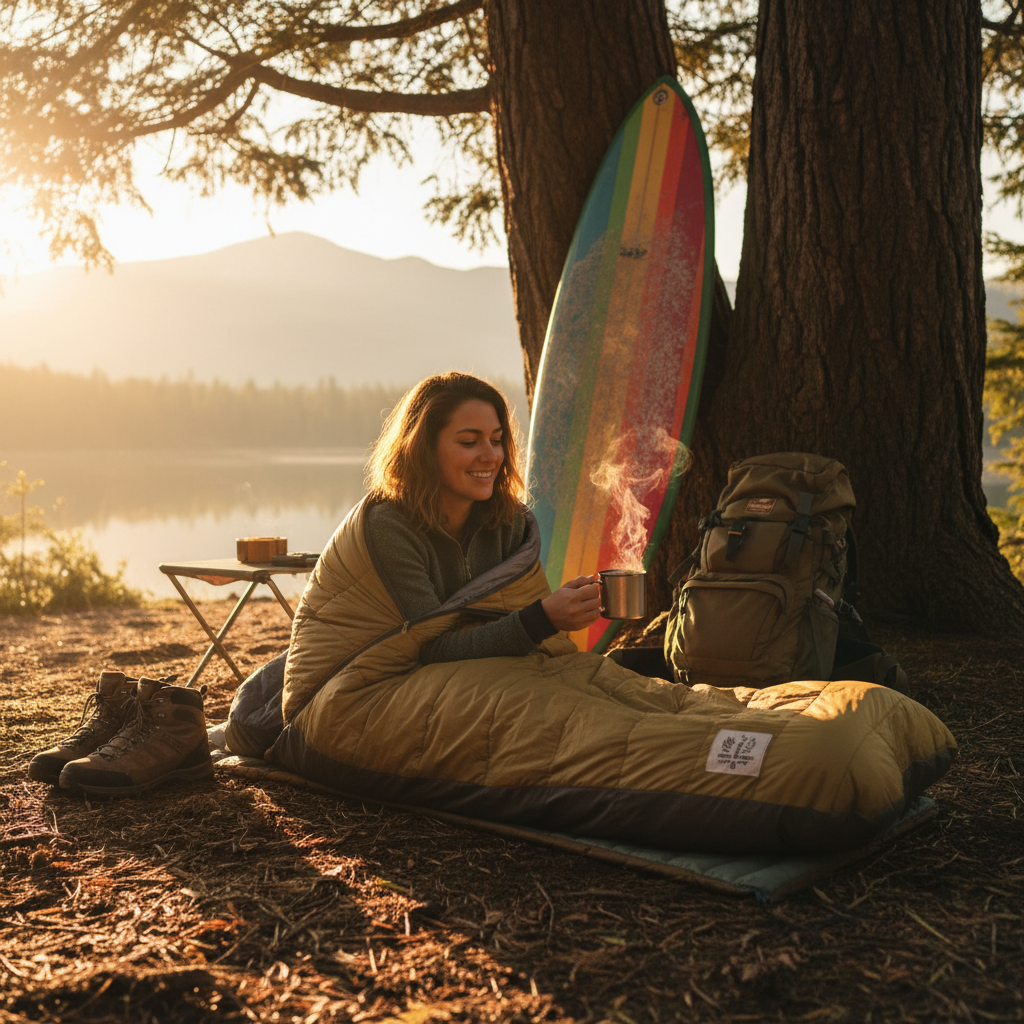
Understanding Temperature Ratings
The temperature rating of a backpacking sleeping bag is a crucial factor. It indicates the lowest temperature at which the average sleeper will remain comfortable. However, it’s important to understand that these ratings are not always precise and can vary based on individual metabolism, gender, and the use of appropriate sleepwear. Look for a bag rated at least 10-15°F lower than the expected lowest temperature of your trip to provide a safety margin. Remember to consider both the ‘comfort’ and ‘limit’ ratings when comparing different bags.
Key Takeaway: Choosing a sleeping bag with a temperature rating lower than the expected temperature is crucial for staying warm and safe during your backpacking trip.
Down vs. Synthetic Fill: Which is Best for Backpacking?
Backpacking sleeping bags primarily use two types of fill: down and synthetic. Down is known for its exceptional warmth-to-weight ratio and compressibility. However, it loses its insulating properties when wet and is generally more expensive. Synthetic fill, on the other hand, retains its warmth even when damp, is more affordable, and is easier to care for. The best choice depends on your priorities and the expected conditions of your trip. If you’re backpacking in consistently dry conditions, down is an excellent choice. If you anticipate wet conditions, synthetic is the more reliable option.
Down vs. Synthetic: A Quick Comparison
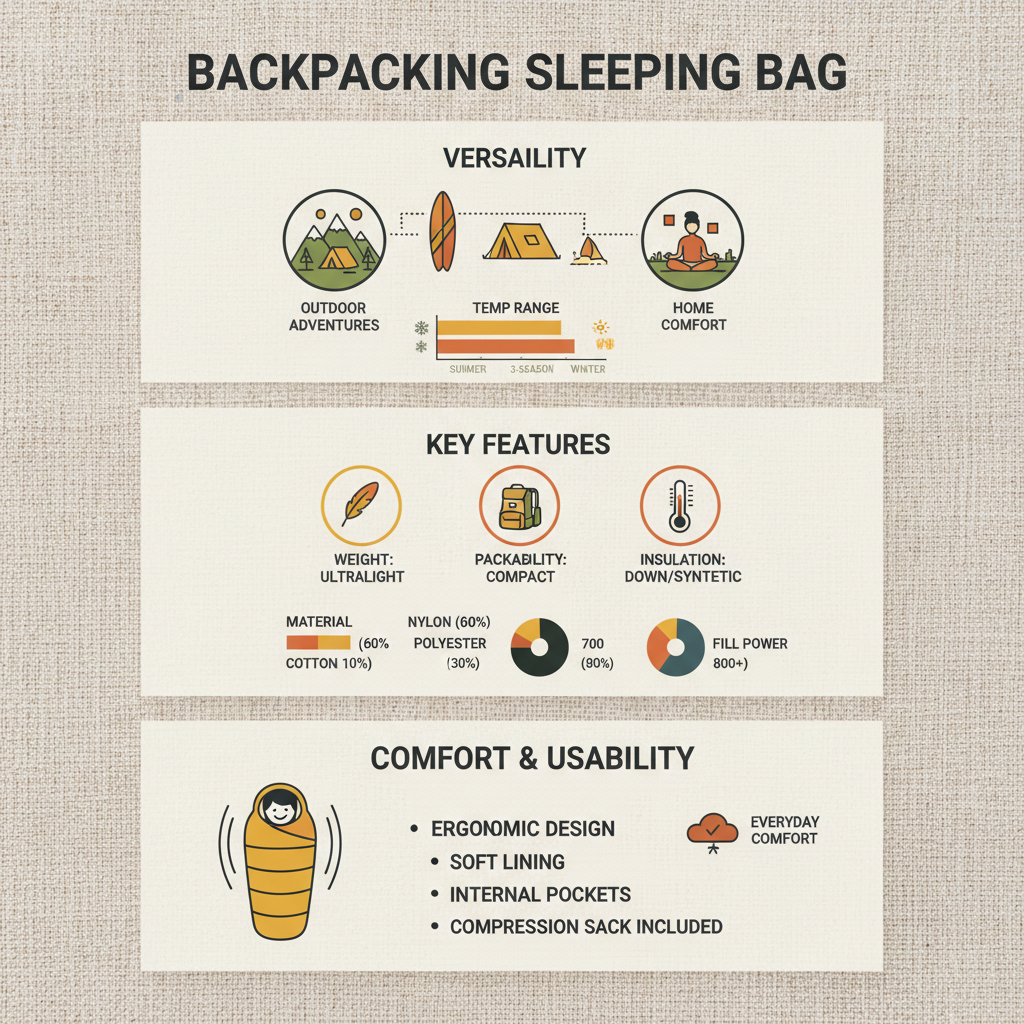
• Down: Superior warmth-to-weight ratio, highly compressible, expensive, loses warmth when wet.
• Synthetic: Retains warmth when wet, more affordable, heavier and less compressible than down.
Backpacking Sleeping Bag Shapes and Sizes
Sleeping bag shapes significantly impact warmth and weight. Mummy bags are the most efficient for backpacking, providing a close fit that minimizes dead air space and maximizes warmth. Rectangular bags offer more room but are heavier and less thermally efficient. Semi-rectangular bags offer a compromise between comfort and weight. The size of the sleeping bag should also match your height to ensure adequate coverage and warmth.
Key Features to Look for in a Backpacking Sleeping Bag
Beyond temperature rating and fill type, consider features like draft collars, zipper baffles, and hood designs. A draft collar prevents warm air from escaping around your shoulders, while a zipper baffle insulates the zipper to prevent heat loss. A well-designed hood provides additional warmth and protection for your head. Also, look for features like internal pockets for storing small items. A quality backpacking sleeping bag will have these details built in.
Caring for Your Backpacking Sleeping Bag
Proper care extends the life of your sleeping bag. Always store your bag loosely in a large storage sack, rather than compressing it for extended periods. Wash your sleeping bag according to the manufacturer's instructions, using a specialized detergent designed for down or synthetic fills. Allow the bag to dry completely before storing it. Regularly airing out your sleeping bag will also help maintain its loft and insulating properties.
Conclusion: Investing in Quality Sleep Outdoors
Choosing the right backpacking sleeping bag is an investment in your comfort and safety. By considering temperature ratings, fill types, shape, and key features, you can find a bag that perfectly suits your needs and ensures a restful night's sleep on the trail. Don't compromise on quality – a good sleeping bag will enhance your entire backpacking experience.
Frequently Asked Questions (FAQs)
What does "fill power" mean for a down sleeping bag?
Fill power refers to the quality of the down. It measures the amount of space one ounce of down occupies in cubic inches. A higher fill power indicates better insulation and a lighter bag. Typically, fill power ranges from 550 to 900. Bags with a fill power of 700 or higher are considered high-quality and offer excellent warmth-to-weight ratios. Higher fill power also means the down plumes are larger and more effectively trap air, providing superior insulation.
How do I choose the right size sleeping bag?
The correct sleeping bag size is crucial for warmth and comfort. Most manufacturers offer bags in regular and long sizes. Measure your height and compare it to the manufacturer's sizing chart. A bag that is too short will compress your feet, reducing circulation and warmth. A bag that is too large will have excessive dead air space, making it harder to heat up. Consider your build as well – if you're broad-shouldered, you might prefer a wider bag.
Can I use my backpacking sleeping bag as a standalone quilt?
While some backpacking sleeping bags can be partially unzipped and used as a quilt in warmer conditions, it’s not generally recommended. Most bags are designed to provide full coverage and insulation when fully zipped. Using it as a quilt might leave you exposed to drafts and reduce its overall effectiveness. Dedicated backpacking quilts are a better option for warm-weather backpacking, as they are specifically designed for this purpose.
What is a sleeping bag liner and should I use one?
A sleeping bag liner is a lightweight covering that goes inside your sleeping bag. It adds warmth (typically 5-15°F), keeps your sleeping bag cleaner, and can be used alone as a lightweight sleeping bag in warm weather. Liners are especially useful for extending the life of your sleeping bag by reducing the need for frequent washing. They are available in various materials like silk, fleece, and synthetic fabrics.
-
How to Choose the Best camping sleeping bag winter for Cold Weather
NewsApr.16,2026
-
Finding the Best homeless cheapest sleeping bag for Survival
NewsApr.09,2026
-
Comprehensive Guide to Choosing the Best Sleeping Bag for Outdoor Camping
NewsApr.07,2026
-
Choosing the Best Sleeping Bag Kids and Children for Outdoor Adventures
NewsApr.04,2026
-
The Comprehensive Guide to Choosing the Perfect Human Sleeping Bag for Outdoor Adventures
NewsMar.31,2026
-
Choosing the Ideal Backpacking Sleeping Bag for Comfortable Outdoor Adventures
NewsMar.28,2026