

Apr . 16, 2026 03:08 Back to list
How to Choose the Best camping sleeping bag winter for Cold Weather
Mastering the Cold: How to Choose the Best Camping Sleeping Bag Winter Edition
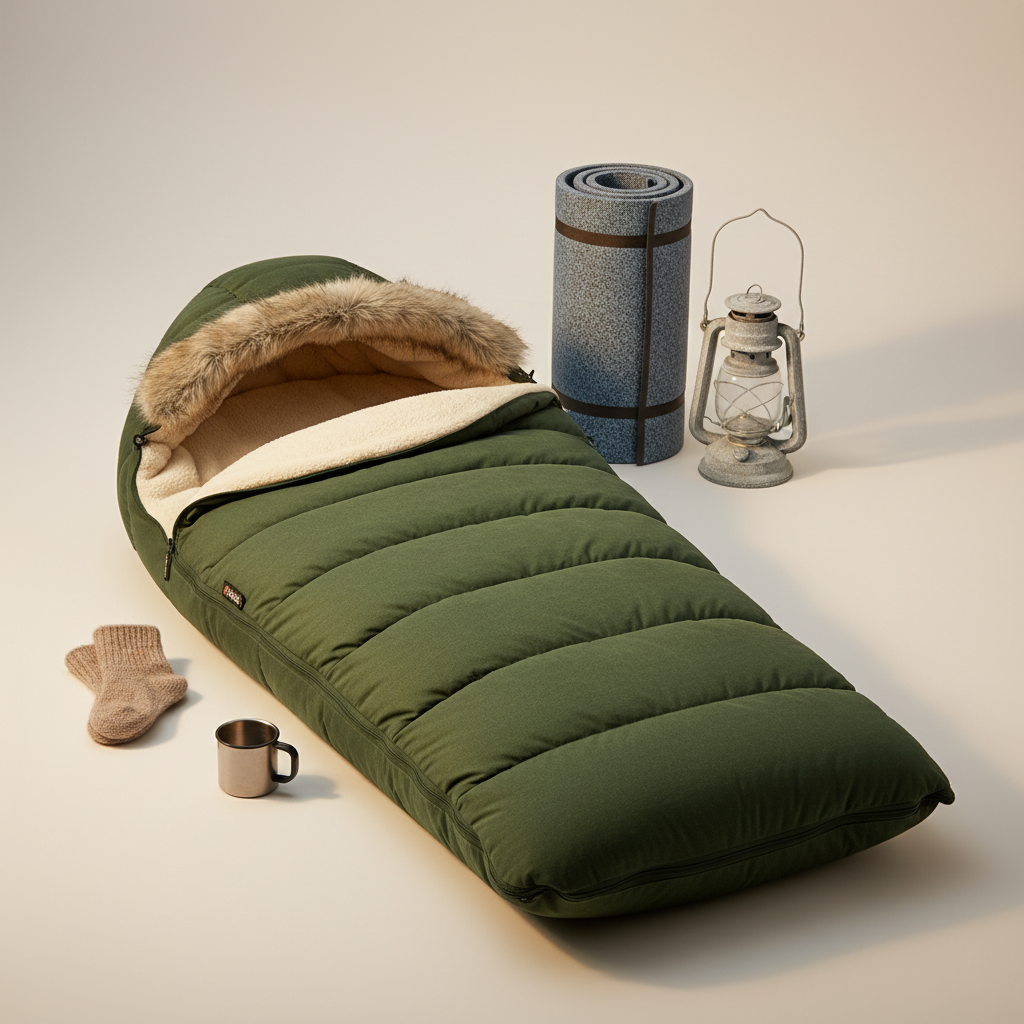
When the temperature drops and the frost settles, having a reliable sleep system is the difference between a rejuvenating night and a shivering ordeal. Investing in a high-quality camping sleeping bag winter is essential for any outdoor enthusiast planning a cold-weather expedition. Whether you are trekking through snow-capped mountains or enjoying a crisp autumn weekend, understanding the nuances of insulation, temperature ratings, and materials is key to staying warm. In this guide, we will break down everything you need to know to stay cozy when the mercury plunges.
Understanding Temperature Ratings for Winter Gear
One of the most confusing aspects of buying a camping sleeping bag winter is the temperature rating. Most manufacturers provide three different numbers: the Comfort, Limit, and Extreme ratings. The Comfort rating is where most women or cold sleepers can sleep comfortably. The Limit is typically the temperature where most men can sleep for a night without waking up from the cold. The Extreme rating is for survival only and does not guarantee a restful sleep. Always choose a bag rated 5-10 degrees lower than the lowest temperature you expect to encounter to ensure a safe margin of warmth.
Down vs. Synthetic: Which Insulation Wins?
The debate between down and synthetic fill is central to choosing your winter gear. Down is prized for its superior warmth-to-weight ratio and compressibility, making it ideal for backpackers. However, it loses its insulating properties when wet. Synthetic insulation, while heavier and bulkier, continues to trap heat even in damp conditions and is generally more affordable. Depending on your destination—whether it's a dry alpine peak or a humid forest—the right choice of camping sleeping bag winter will vary. For most extreme winter conditions, a water-resistant down treatment is the gold standard.
Pro Tip: To maximize warmth, always pair your winter sleeping bag with an insulated sleeping pad. The ground can leach heat from your body through conduction much faster than the air can.
Comparing Features of a Premium Camping Sleeping Bag Winter
Not all winter bags are created equal. When shopping, look for specific design features that lock in heat and prevent drafts. A draft collar prevents warm air from escaping around the neck, while a contoured hood ensures your head stays protected from the cold. The shape of the bag also matters; mummy bags are most efficient for heat retention, while rectangular bags offer more room but allow more cold air to enter. Below is a detailed comparison to help you choose the right camping sleeping bag winter for your needs.
Essential Maintenance for Winter Gear
To ensure your camping sleeping bag winter lasts for many seasons, proper care is non-negotiable. Never store your bag compressed in its stuff sack for long periods, as this crushes the loft and reduces the bag's ability to trap heat. Instead, store it in a large mesh bag or hang it up. When cleaning, avoid standard laundry detergents; use a specialized technical wash to preserve the water-repellent coatings and the fluffiness of the down. Proper maintenance ensures that your investment continues to provide maximum warmth year after year.
Technical Specifications of Professional Winter Bags
When analyzing a professional-grade camping sleeping bag winter, you will encounter technical terms like "Fill Power." Fill power measures the loft of the down; the higher the number (e.g., 800 fill vs 600 fill), the more air the down can trap for the same weight. Additionally, the shell material usually consists of ripstop nylon or polyester with a DWR (Durable Water Repellent) finish to protect against condensation. Below are the typical specifications for a high-performance winter model.
Advanced Tips for Staying Warm in the Field
Owning a great camping sleeping bag winter is only half the battle; how you use it matters. To optimize heat, avoid sleeping in your heaviest clothes, which can actually compress the insulation of the bag. Instead, wear a clean, moisture-wicking base layer. If you're still cold, fill a leak-proof bottle with hot water and place it at the bottom of your bag near your feet. This creates a natural heater that lasts for several hours, ensuring you stay warm throughout the night.
Conclusion: Your Gateway to Winter Adventure
Choosing the right camping sleeping bag winter is a critical step in ensuring your outdoor safety and comfort. By understanding temperature ratings, selecting the right insulation, and maintaining your gear, you can embrace the beauty of winter without the fear of the cold. Whether you prefer the lightweight efficiency of down or the rugged reliability of synthetic, Aoxin Outdoor provides the quality you need for every journey. Gear up, stay warm, and explore the wild with confidence.
Frequently Asked Questions (FAQs)
How do I know if my camping sleeping bag winter is the right size?
The fit of your sleeping bag is crucial for heat retention. If the bag is too large, your body has to waste energy heating a larger volume of air. If it's too tight, it compresses the insulation, creating cold spots. When testing your winter bag, ensure you can move slightly but that there aren't large gaps around your shoulders and feet. For taller individuals, always check the length specifications to avoid your feet pressing against the bottom, which can lead to cold toes.
Can I use a liner to make my winter bag warmer?
Absolutely. A sleeping bag liner can act as an extra layer of insulation, often adding between 5 to 15 degrees of warmth depending on the material (fleece or silk). Liners are also great for hygiene, as they are much easier to wash than the entire sleeping bag. For extreme winter camping, combining a high-performance camping sleeping bag winter with a thermal liner is a smart way to increase your temperature range without buying a heavier bag.
What is the best way to dry a down sleeping bag that got wet?
If your down bag gets damp, you must dry it completely to prevent mold and loss of loft. The best method is to tumble dry it on low heat with several clean tennis balls or dryer balls. The balls physically "beat" the down, breaking up clumps and restoring the loft. If a dryer isn't available, hang the bag in a well-ventilated area and manually shake and fluff the down every few hours. Never put a down bag directly against a high-heat source like a campfire or radiator, as this can damage the fabric.
Should I keep my clothes inside the bag at night?
It is generally recommended to avoid sleeping in the same clothes you wore during the day. These clothes often contain sweat and moisture, which can migrate into your insulation and make you colder. Instead, change into a fresh, dry set of thermal base layers. If you want to keep your next day's clothes warm, place them inside the bottom of your sleeping bag; this prevents them from freezing and provides a warm surprise when you wake up in the morning.
-
How to Choose the Best camping sleeping bag winter for Cold Weather
NewsApr.16,2026
-
Finding the Best homeless cheapest sleeping bag for Survival
NewsApr.09,2026
-
Comprehensive Guide to Choosing the Best Sleeping Bag for Outdoor Camping
NewsApr.07,2026
-
Choosing the Best Sleeping Bag Kids and Children for Outdoor Adventures
NewsApr.04,2026
-
The Comprehensive Guide to Choosing the Perfect Human Sleeping Bag for Outdoor Adventures
NewsMar.31,2026
-
Choosing the Ideal Backpacking Sleeping Bag for Comfortable Outdoor Adventures
NewsMar.28,2026