Let's talk cold. Not just 'brisk morning' cold, but the kind of penetrating, bone-chilling cold that can make a seasoned construction worker question their life choices. For years, I've spent my days on sites from Alaska to Manitoba, and I've seen firsthand how crucial having the right gear is – and a quality extreme cold weather sleeping bag is right up there with good boots and a warm hat. It's not just about comfort; it’s about safety and productivity. A cold worker is a slow worker, a mistake-prone worker, and a potentially unsafe worker. Finding a reliable sleeping solution for overnight stays on remote sites, or for emergency preparedness, is a constant need in our industry.
We're not talking about backpacking here. The demands on a sleeping bag for field work are different. Durability is key. These bags get tossed around, crammed into trucks, exposed to everything from mud to engine oil. They need to stand up to that abuse. Beyond that, it's about consistent warmth – even when damp – and a design that actually works for guys and gals who need to get a solid night's sleep after a 12-hour shift. The market is flooded with options, but a truly effective extreme cold weather sleeping bag makes a real difference.
It's about more than just specs on a sheet. I've seen too many bags that claim a certain temperature rating but leave guys shivering. Real-world performance is what matters, and that comes down to material selection, construction quality, and a design that minimizes heat loss. It’s also about understanding the layering system; a good bag is part of a complete cold-weather strategy, not a miracle cure.
The Importance of Extreme Cold Weather Sleeping Bags
Look, on a remote job site, or during emergency response, a good night’s sleep isn’t a luxury, it’s a necessity. An extreme cold weather sleeping bag isn’t just about being comfortable; it's about maintaining core body temperature, preventing hypothermia, and ensuring personnel are rested and alert to handle demanding tasks. According to the U.S. Bureau of Labor Statistics, non-fatal exposure to extreme temperatures resulted in over 2,400 cases in 2022. A substantial portion of these cases could have been mitigated with proper gear.
We often operate in regions where temperatures plummet well below freezing. The United Nations Office for Disaster Risk Reduction (UNDRR) reports a growing frequency of extreme weather events, increasing the need for reliable shelter and thermal protection. Investing in quality sleeping bags isn't just good practice; it's a responsible approach to worker safety and operational resilience.
Defining Extreme Cold Weather Sleeping Bags
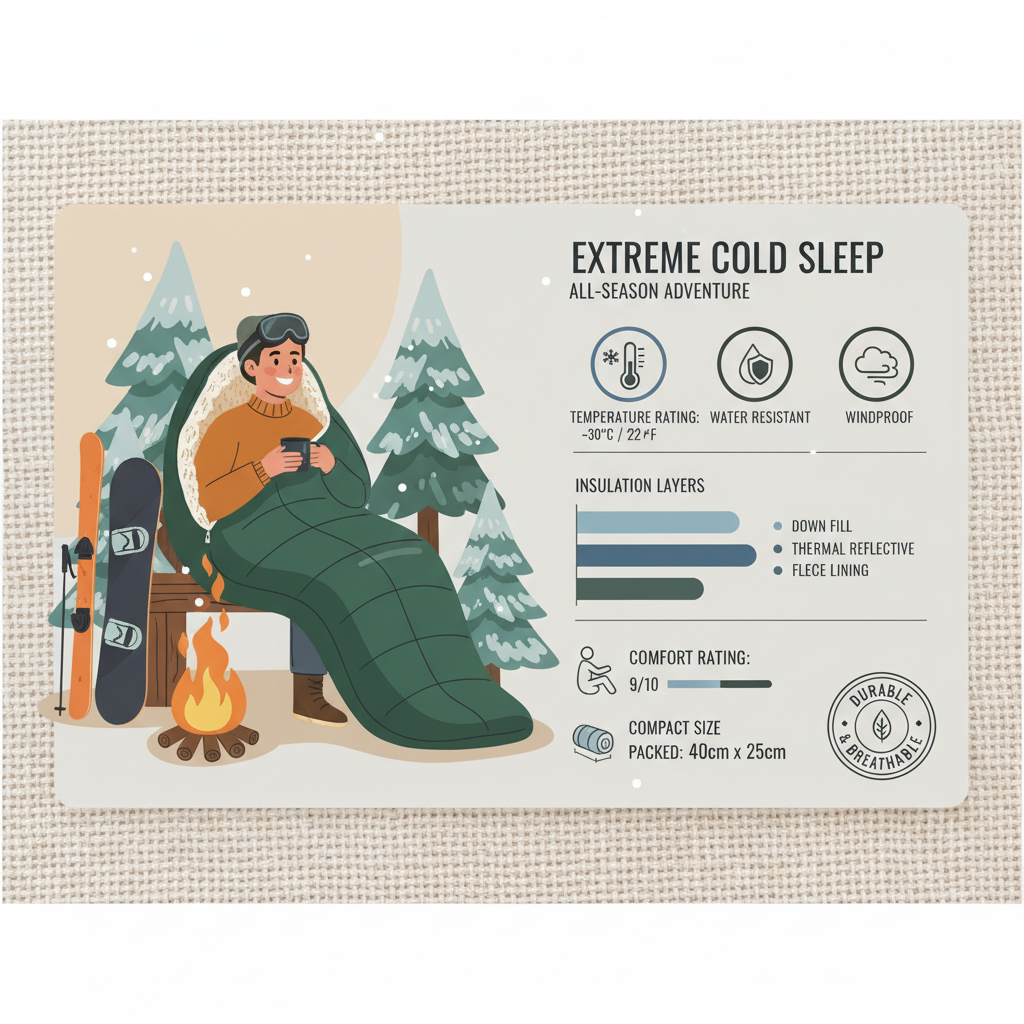
Simply put, an extreme cold weather sleeping bag is designed to provide adequate insulation and thermal protection in temperatures well below freezing, generally rated to 0°F (-18°C) or lower. But it’s more complex than just a temperature rating. It's about the materials used, the construction techniques, and the overall design to minimize heat loss.
These bags differ significantly from standard camping sleeping bags. They prioritize thermal efficiency over lightweight packability. The industry standard ISO 23537 provides standardized testing and rating systems, but understanding these ratings and their limitations is crucial. A bag rated to -20°F won’t be comfortable if you're wet, or if you haven't layered properly.
This isn't some niche hobbyist gear. It’s essential for industries like oil and gas, construction, forestry, and emergency services, where personnel frequently work and live in harsh, frigid environments. It's also increasingly relevant for disaster relief organizations responding to cold-weather emergencies.
Key Factors for Choosing a Cold Weather Bag
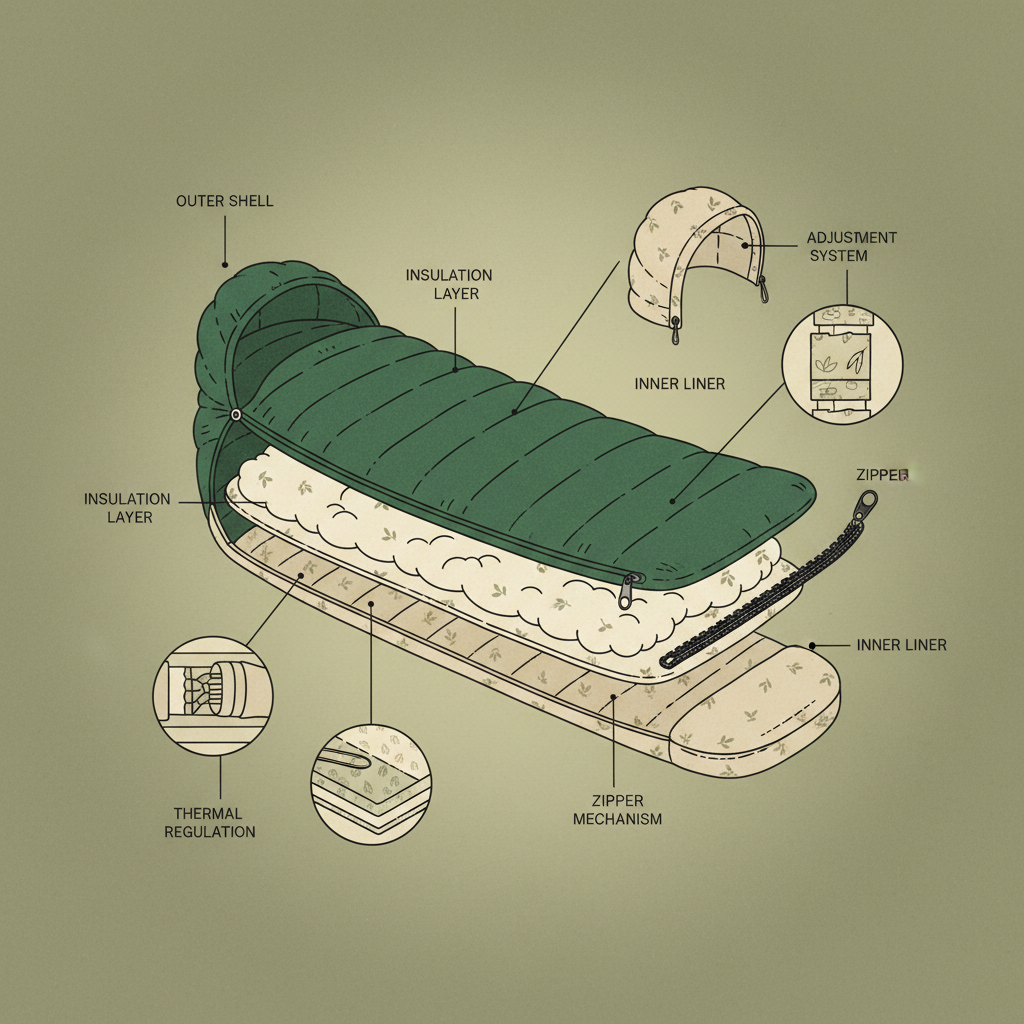
Durability is paramount. I've seen bags ripped to shreds just from being dragged across rough surfaces. Look for materials like ripstop nylon or polyester with a durable water repellent (DWR) finish. The shell fabric needs to withstand abrasion and resist moisture.
Insulation is the heart of the matter. Down provides the best warmth-to-weight ratio, but it loses its insulation value when wet. Synthetic insulation, like PrimaLoft, retains some warmth even when damp, making it a better choice for consistently humid environments. The fill power of down and the weight of synthetic insulation are key indicators of performance.
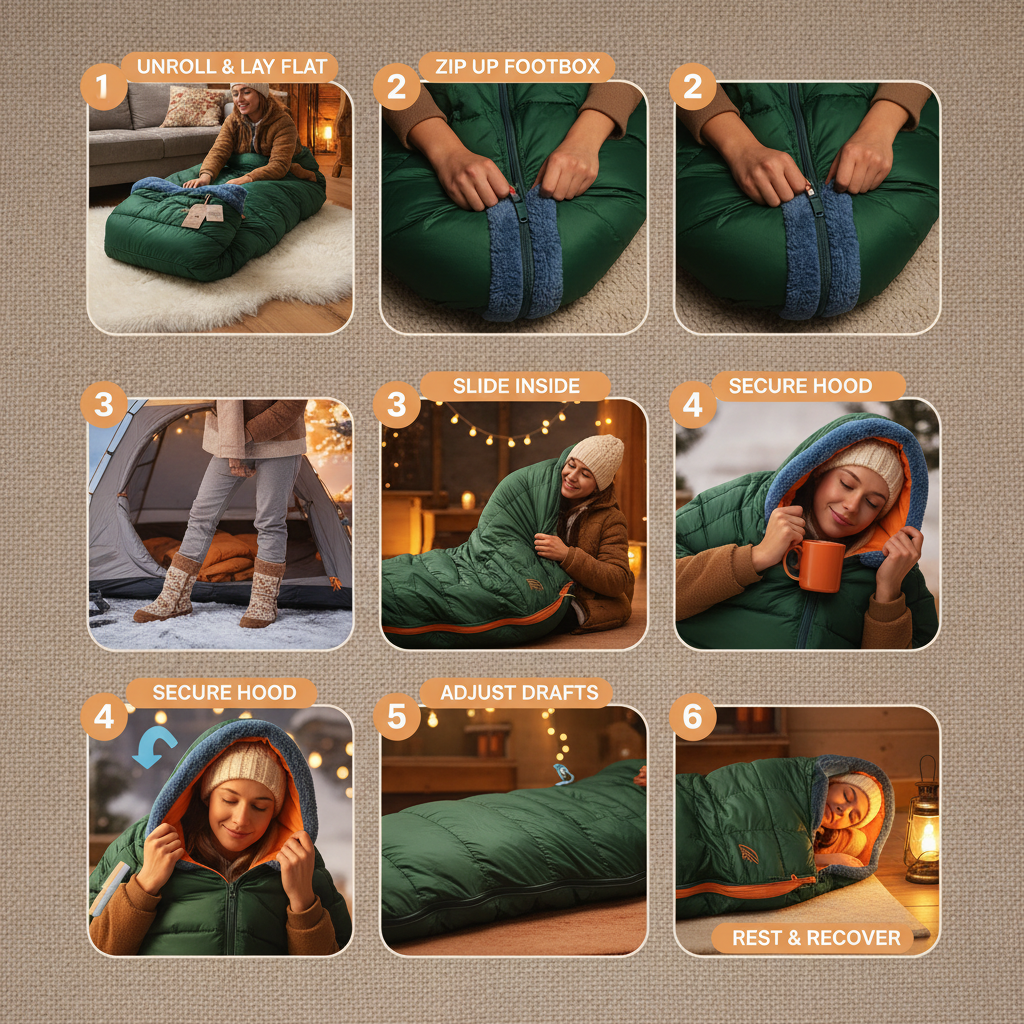
Design features matter. A mummy-style bag minimizes interior space, reducing heat loss. A draft collar prevents warm air from escaping around your neck. A properly fitted hood is critical for retaining heat. Pay attention to the zipper – a robust, two-way zipper with a draft tube is a must-have.
Real-World Applications of Extreme Cold Weather Sleeping Bags
In the oil fields of Northern Canada, crews working on pipeline projects rely on these bags to stay warm during overnight stays in remote camps. We use them extensively during winter construction projects in Alaska, where temperatures can easily drop to -40°F. They’re not just for sleeping either; they can be used as extra insulation during breaks or in emergency situations.
Emergency responders, including search and rescue teams and disaster relief organizations, depend on these bags to provide thermal protection for victims and personnel. Following a blizzard in the Midwest, a local emergency management team used extreme cold weather sleeping bags to shelter stranded motorists.
Forestry workers, often operating in remote and rugged terrain, rely on these bags for warmth and comfort during extended field operations. I’ve personally used them on weeks-long surveys in the Canadian Rockies, and they were a lifesaver.
extreme cold weather sleeping bag Performance Comparison
Advantages and Long-Term Value
Investing in a high-quality extreme cold weather sleeping bag is an investment in safety and productivity. A well-rested, warm crew is a more efficient and reliable crew. The reduced risk of cold-related injuries translates to lower healthcare costs and fewer lost workdays.
Durability also factors into long-term value. A bag that lasts for years, even with heavy use, is far more cost-effective than constantly replacing cheaper options. There’s a peace of mind knowing your team has reliable protection, regardless of the conditions.
Future Trends and Innovations
We’re starting to see advancements in synthetic insulation, with new materials offering comparable warmth-to-weight ratios as down, while maintaining better performance in wet conditions. Expect to see more bags incorporating recycled materials and sustainable manufacturing processes.
Smart textiles are also on the horizon – materials that can actively regulate temperature based on environmental conditions. And we'll likely see more integrated heating systems, offering supplemental warmth in extreme conditions.
The trend towards modular sleep systems – combining a bag with a separate insulated liner – allows for greater flexibility and adaptability to varying temperatures.
Common Challenges and Solutions
One of the biggest challenges is moisture management. Even the best sleeping bag can't perform optimally if it's wet. The solution? Layering. Moisture-wicking base layers, combined with a waterproof/breathable outer shell, can help keep you dry.
Another challenge is finding a bag that fits properly. A bag that’s too small will restrict movement and compress the insulation, while a bag that's too large will allow heat to escape. Proper sizing and a well-fitted hood are crucial.
Finally, maintaining the bag is important. Regularly cleaning and storing the bag properly will extend its lifespan and ensure optimal performance. Proper storage prevents the breakdown of the insulation, whether it's down or synthetic.
Summarizing Key Cold Weather Sleeping Bag Performance Metrics
| Category |
Key Metric |
Rating (1-10) |
Impact on Field Performance |
| Thermal Insulation |
Temperature Rating |
9 |
Critical for preventing hypothermia. |
| Durability |
Fabric Tear Strength |
8 |
Extends product lifespan, reducing replacement costs. |
| Moisture Resistance |
DWR Coating Effectiveness |
7 |
Maintains insulation value in damp conditions. |
| Weight & Packability |
Packed Volume |
6 |
Impacts portability for mobile workforces. |
| Ease of Use |
Zipper Smoothness |
8 |
Reduces frustration and streamlines bedtime routine. |
| Overall Comfort |
Interior Space |
7 |
Promotes restful sleep and improved alertness. |
FAQS
That depends on the specific conditions you’ll be facing. As a rule of thumb, choose a bag rated 10-15°F lower than the lowest temperature you anticipate. Remember that ratings are often based on ideal conditions, so it's always better to err on the side of caution. Consider your layering system too.
Down offers superior warmth-to-weight, but loses its insulation when wet. Synthetic insulation retains some warmth even when damp, making it a more reliable choice for consistently humid environments. The best option depends on your typical conditions and priorities. We often recommend synthetic for consistently wet environments.
Always store your bag uncompressed in a large storage sack. Regularly air it out to remove moisture. For down bags, use a down-specific detergent when washing. Synthetic bags can be machine washed on a gentle cycle. Follow the manufacturer's instructions carefully.
Fill power measures the loft or fluffiness of the down. Higher fill power means more air is trapped, providing greater insulation for the same weight. A fill power of 600 or higher is generally considered good quality, with 800+ being exceptional.
They’re crucial! A draft collar prevents warm air from escaping around your neck, and a well-fitted hood minimizes heat loss from your head. These features can significantly improve the overall thermal efficiency of the bag.
Start with a moisture-wicking base layer, add an insulating mid-layer (like fleece or down), and finish with a waterproof/breathable outer shell. Wearing a hat and socks is also essential for retaining heat. Don’t underestimate the importance of dry socks!
Conclusion
Investing in a reliable extreme cold weather sleeping bag is an investment in safety, productivity, and peace of mind. It's not just about staying warm; it’s about ensuring personnel are rested, alert, and capable of performing their jobs effectively in challenging conditions. The right bag, combined with a proper layering system, can make all the difference.
As technology continues to advance, we can expect to see even more innovative materials and designs emerge, offering greater warmth, durability, and sustainability. Staying informed about these developments is crucial for ensuring your team has access to the best possible protection. Visit our website at www.aoxinoutdoor.com to explore our range of extreme cold weather sleeping bags and find the perfect solution for your needs.