The humble cotton sleeping bag, often overlooked, plays a crucial role in diverse scenarios globally. From providing essential warmth and comfort to outdoor enthusiasts to serving as a lifeline for those displaced by disaster, its utility is undeniable. Understanding its construction, benefits, and evolving applications is paramount in a world increasingly focused on preparedness, sustainability, and humanitarian aid.
The global demand for reliable and affordable sleeping solutions is steadily increasing, driven by factors like rising tourism, growing outdoor recreation participation, and a heightened awareness of disaster preparedness. The cotton sleeping bag, due to its affordability and relative comfort, remains a significant component of this market. However, challenges like sustainability concerns surrounding cotton production and the need for improved thermal performance are driving innovation in the sector.
Ultimately, a well-designed and appropriately used cotton sleeping bag offers not just physical warmth, but also a sense of security and dignity, particularly in challenging circumstances. This makes it a valuable asset in both recreational and emergency settings, underscoring the importance of understanding its capabilities and limitations.
The Relevance of Cotton Sleeping Bags
The demand for affordable and accessible sleep solutions has consistently placed the cotton sleeping bag in a position of global significance. According to reports by the United Nations Refugee Agency (UNHCR), millions of individuals are displaced each year due to conflict and natural disasters, creating an immediate need for emergency shelter and warmth. Cotton sleeping bags, due to their cost-effectiveness, frequently form part of aid packages.
Furthermore, the increasing popularity of outdoor activities, from camping to hiking, fuels demand in the recreational sector. The outdoor recreation economy contributes significantly to national economies worldwide (estimated at over $459 billion in the US alone), and the cotton sleeping bag remains a core piece of equipment for many adventurers.
Defining the Cotton Sleeping Bag
A cotton sleeping bag is a bedding insulation primarily composed of cotton fibers used to provide warmth and comfort during sleep. Unlike synthetic or down-filled options, it relies on the air trapped within the cotton fibers for insulation. Historically, they were prevalent due to the ready availability of cotton, but modern manufacturing has seen variations in cotton quality and blending with other materials.
Its connection to modern industry lies in the textile manufacturing sector, which constantly innovates in fabric treatments and construction techniques to improve thermal performance and durability. Beyond personal use, it is a crucial component in humanitarian logistics, offering a quick and relatively inexpensive solution for providing warmth to vulnerable populations.
The rise of sustainable practices also influences the industry, prompting manufacturers to explore organic cotton and eco-friendly dyeing processes, aligning with a growing consumer demand for environmentally responsible products.
Core Components and Construction
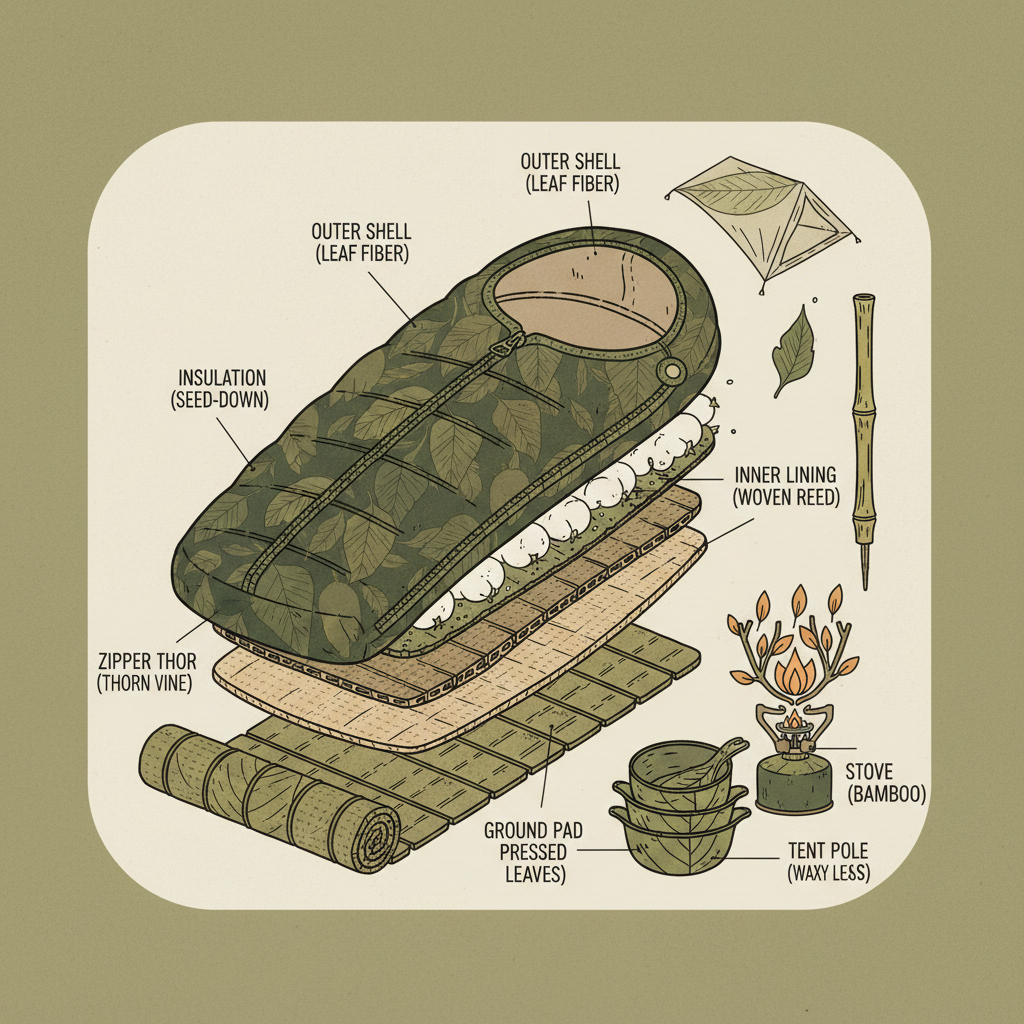
The primary component of a cotton sleeping bag is, unsurprisingly, cotton. The type of cotton (long-staple vs. short-staple) impacts the softness, durability, and insulation capabilities. Beyond the fill, key components include the shell fabric, lining fabric, zipper, and any baffles used to distribute the cotton evenly. The quality of these components directly affects the bag's overall performance and lifespan.
Construction methods vary. Traditional quilted designs stitch through the cotton layers, preventing shifting but potentially creating cold spots. Baffled constructions, where cotton is contained within internal walls, provide better thermal distribution but are typically more expensive to manufacture. The shell fabric’s weave density and treatment (e.g., water-resistant coating) also play a crucial role in protecting the cotton fill from moisture and wear.
The design of the bag's shape – mummy, rectangular, or semi-rectangular – also influences its warmth and comfort. Mummy bags prioritize thermal efficiency by minimizing air space, while rectangular bags offer more room for movement but generally have lower temperature ratings. The chosen construction and shape ultimately impact the bag’s suitability for different environments and activities.
Key Performance Indicators
Evaluating a cotton sleeping bag requires understanding several key performance indicators. Temperature rating is paramount, indicating the lowest ambient temperature at which the average sleeper will remain comfortable. Weight and pack size are critical for backpacking and travel, dictating portability.
Durability, measured by fabric denier and stitching quality, determines the bag’s lifespan. Finally, breathability is essential to prevent condensation buildup inside the bag, enhancing comfort during prolonged use.
Cotton Sleeping Bag Performance Metrics
Global Applications & Humanitarian Uses
The versatility of the cotton sleeping bag shines through its diverse applications. In post-disaster relief operations, organizations like the Red Cross often distribute them to provide immediate warmth and shelter to displaced individuals. Their affordability makes them a practical choice for large-scale aid efforts.
Beyond emergency response, they are widely used in camping, hiking, and backpacking, offering a comfortable and relatively lightweight sleeping solution. They also find application in institutions like homeless shelters and refugee camps, providing a basic level of comfort and hygiene to vulnerable populations.
Advantages and Long-Term Value
The primary advantage of a cotton sleeping bag is its cost-effectiveness. Compared to down or synthetic alternatives, they are significantly more affordable, making them accessible to a wider range of users. They are also relatively easy to clean and maintain, adding to their long-term value.
While thermal performance may not match higher-end options, they still provide adequate warmth in moderate temperatures. The emotional benefit of feeling safe and secure during sleep, especially in challenging environments, is also a significant intangible value.
Furthermore, the increasing adoption of organic cotton and sustainable manufacturing processes enhances the ethical and environmental value of these bags, aligning with growing consumer preferences.
Future Trends and Sustainable Innovations
The future of cotton sleeping bag design is leaning towards sustainability and enhanced performance. Innovation in cotton processing, such as utilizing recycled cotton fibers and developing more efficient insulation techniques, are gaining traction. Blending cotton with other natural fibers, like hemp, to improve durability and breathability is also being explored.
Technological advancements in fabric treatments, like bio-based water repellents, are reducing the environmental impact of production. Digital printing techniques allow for customized designs and reduced waste. The overall trend is towards creating a more responsible and high-performing product.
Furthermore, smart textiles incorporating temperature-regulating technologies may be integrated into future cotton sleeping bag designs, offering enhanced comfort and adaptability to varying conditions.
Analysis of Cotton Sleeping Bag Performance Factors
| Cotton Type |
Temperature Rating (ºC) |
Durability Score (1-10) |
Sustainability Index (1-10) |
| Long-Staple Cotton |
10-15 |
8 |
7 |
| Short-Staple Cotton |
5-10 |
6 |
6 |
| Organic Cotton |
8-12 |
7 |
9 |
| Recycled Cotton |
7-11 |
7 |
8 |
| Cotton/Hemp Blend |
10-14 |
9 |
8 |
| Cotton/Polyester Blend |
5-9 |
5 |
5 |
FAQS
To ensure longevity, cotton sleeping bags should be machine washed on a gentle cycle with mild detergent. Avoid harsh chemicals or bleach. Tumble dry on low heat, or air dry completely. Regular fluffing helps restore loft. Proper storage is vital; avoid compressing the bag for extended periods, and ensure it’s completely dry before storing to prevent mildew.
Cotton is absorbent and can lose its insulating properties when wet. In humid conditions, a cotton sleeping bag may become damp, reducing its warmth. Using a waterproof bivy sack or a sleeping bag liner can help protect the bag from moisture. Choosing a cotton bag with a water-resistant treatment can also improve performance in humid environments.
While suitable for mild temperatures, cotton sleeping bags generally aren't ideal for extremely cold weather camping. Their lower insulation value compared to down or synthetic fills means they may not provide sufficient warmth in freezing conditions. Layering with additional clothing and using a sleeping bag liner can help increase warmth, but a specialized cold-weather bag is recommended for sub-zero temperatures.
Organic cotton is grown without the use of synthetic pesticides or fertilizers, making it a more environmentally friendly option. It also tends to be softer and more breathable. Conventional cotton relies on these chemicals, which can have negative environmental and health impacts. While organic cotton bags may be slightly more expensive, they offer a sustainable alternative.
Several strategies can boost the warmth of a cotton sleeping bag. Using a sleeping bag liner adds an extra layer of insulation. Wearing warm, dry clothing to bed is also crucial. An insulated sleeping pad provides a barrier against the cold ground, minimizing heat loss. Ensuring the bag is properly sealed and avoiding drafts also helps retain warmth.
Cotton is generally considered hypoallergenic, making it a good choice for people with allergies. However, the dyes and treatments used in some cotton fabrics can trigger allergic reactions. Opting for a bag made with natural dyes and minimal chemical treatments can minimize the risk of allergic responses. Washing the bag before first use is also recommended.
Conclusion
In conclusion, the cotton sleeping bag remains a relevant and valuable asset across a multitude of applications, from recreational pursuits to humanitarian aid. Its affordability, ease of maintenance, and growing sustainability profile make it a compelling option for individuals and organizations seeking reliable warmth and comfort. Understanding its limitations and leveraging innovations in material science are key to maximizing its benefits.
Looking ahead, the continued development of sustainable cotton production methods and the integration of smart textile technologies promise to elevate the performance and environmental responsibility of this essential item. We encourage you to explore our range of high-quality cotton sleeping bags at www.aoxinoutdoor.com and discover the perfect solution for your needs.