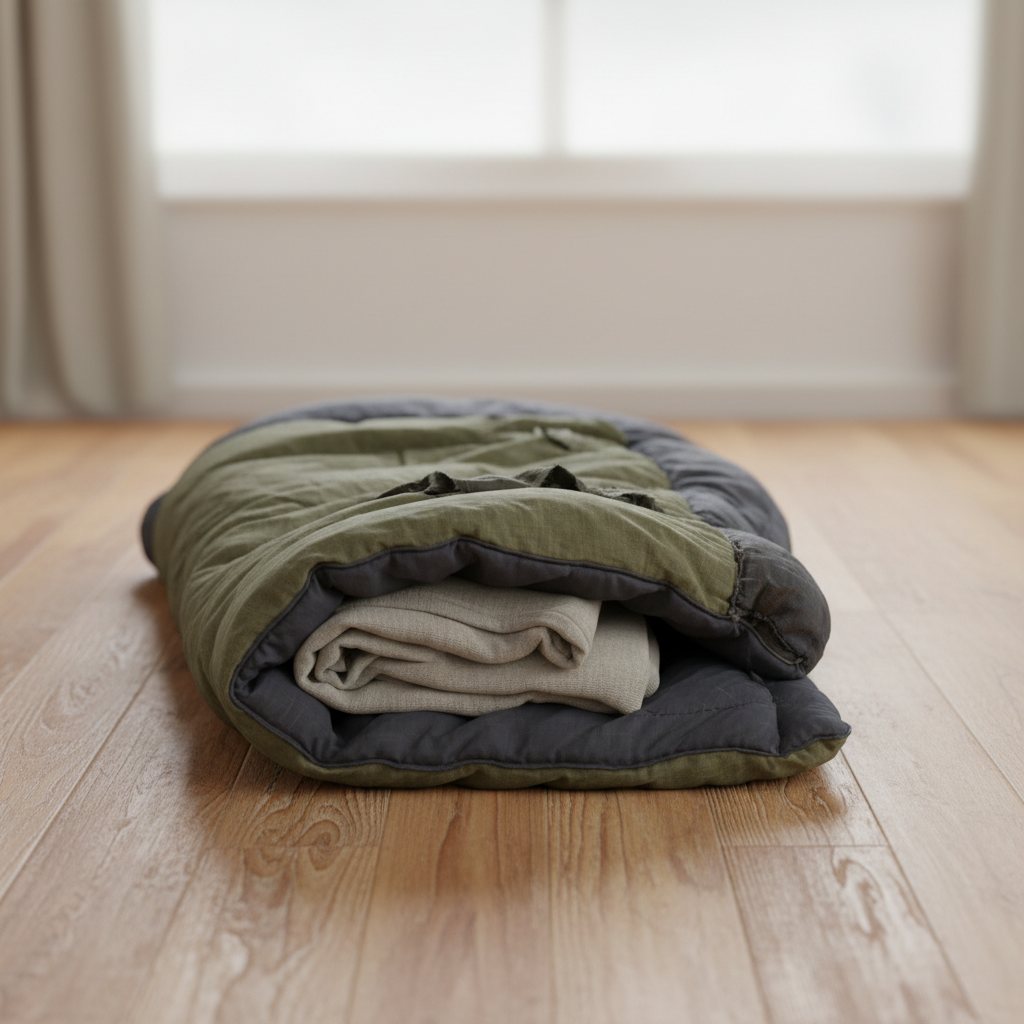
Look, I’ve been on construction sites for fifteen years, wrestling with materials, arguing with engineers, and trying to make projects actually work. And let me tell you, when it comes to keeping crews safe and productive in tough conditions, a good night’s sleep is non-negotiable. That's where really solid, customized sleeping bags come into play. It's not just about comfort, it's about operational efficiency. A fatigued crew makes mistakes, slows down, and increases risk. Providing tailored sleeping solutions is an investment in the project's success.
We're not talking about your average camping bag here. Think remote industrial sites in the Arctic, disaster relief camps, or even prolonged fieldwork for geological surveys. These aren't weekend getaways. The demands are extreme. That's why off-the-shelf options rarely cut it. You need durable, climate-specific, and often highly specialized sleeping solutions. A thoughtfully designed and customized sleeping bag isn't a luxury; it’s a critical piece of equipment.
I've seen firsthand how the right sleeping bag can drastically improve morale and performance. A cold, uncomfortable worker is a distracted worker. And in many of these environments, a distracted worker can be a dangerous worker. It’s about providing the basics for human dignity, even in the most challenging circumstances. Ignoring this aspect is simply short-sighted.
The Importance of Customized Sleeping Bags in Challenging Environments
Let’s be real, the conditions these bags are used in aren’t exactly gentle. We’re talking sub-zero temperatures, torrential downpours, high humidity, and abrasive environments. A standard sleeping bag just isn’t built to withstand that kind of constant abuse. The durability of a customized sleeping bag isn’t just about better materials; it’s about tailoring the construction to the specific stresses it will face.
Think about it. A geologist spending months in the Andes needs a drastically different bag than a construction worker on an offshore platform. The needs are fundamentally different, and that demands a customized solution. Ignoring these differences leads to premature failure, increased costs for replacements, and, most importantly, compromised worker well-being.
Defining Customized Sleeping Bags: Beyond the Standard
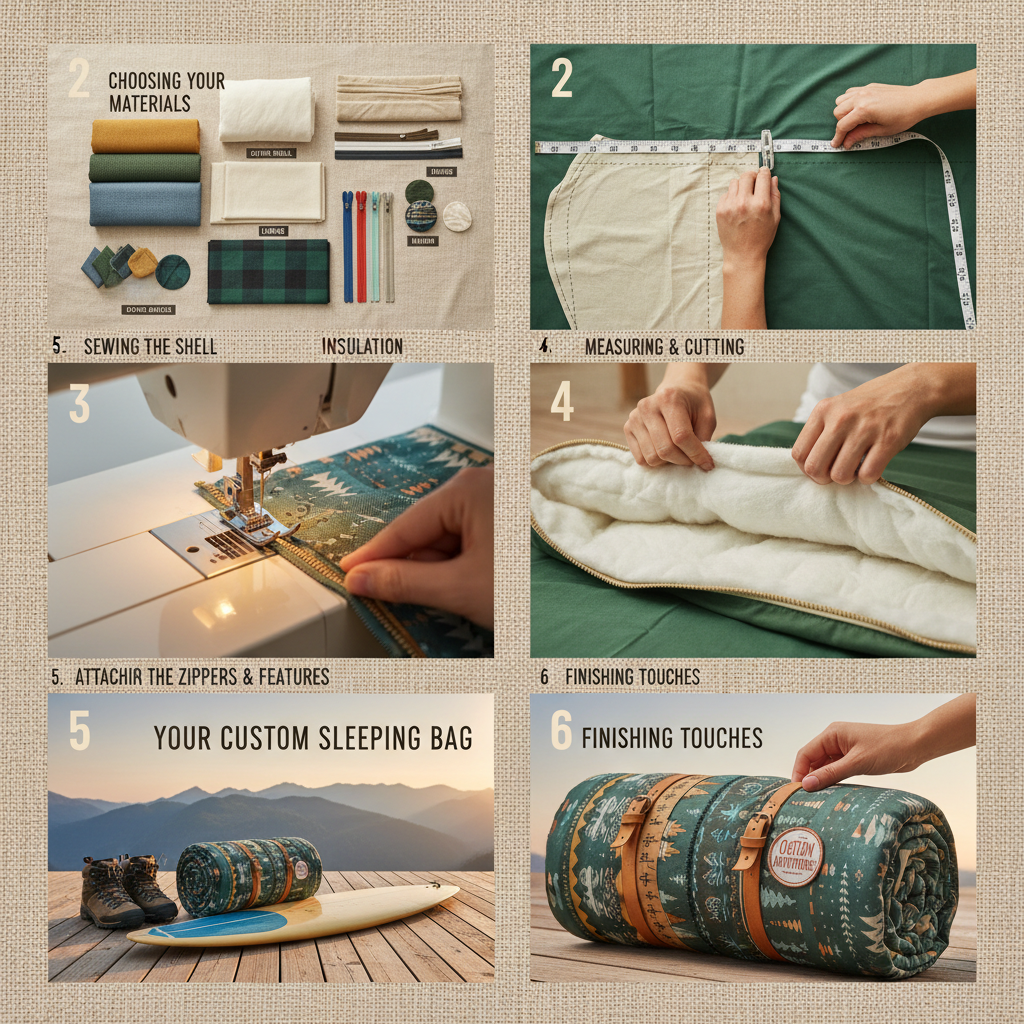
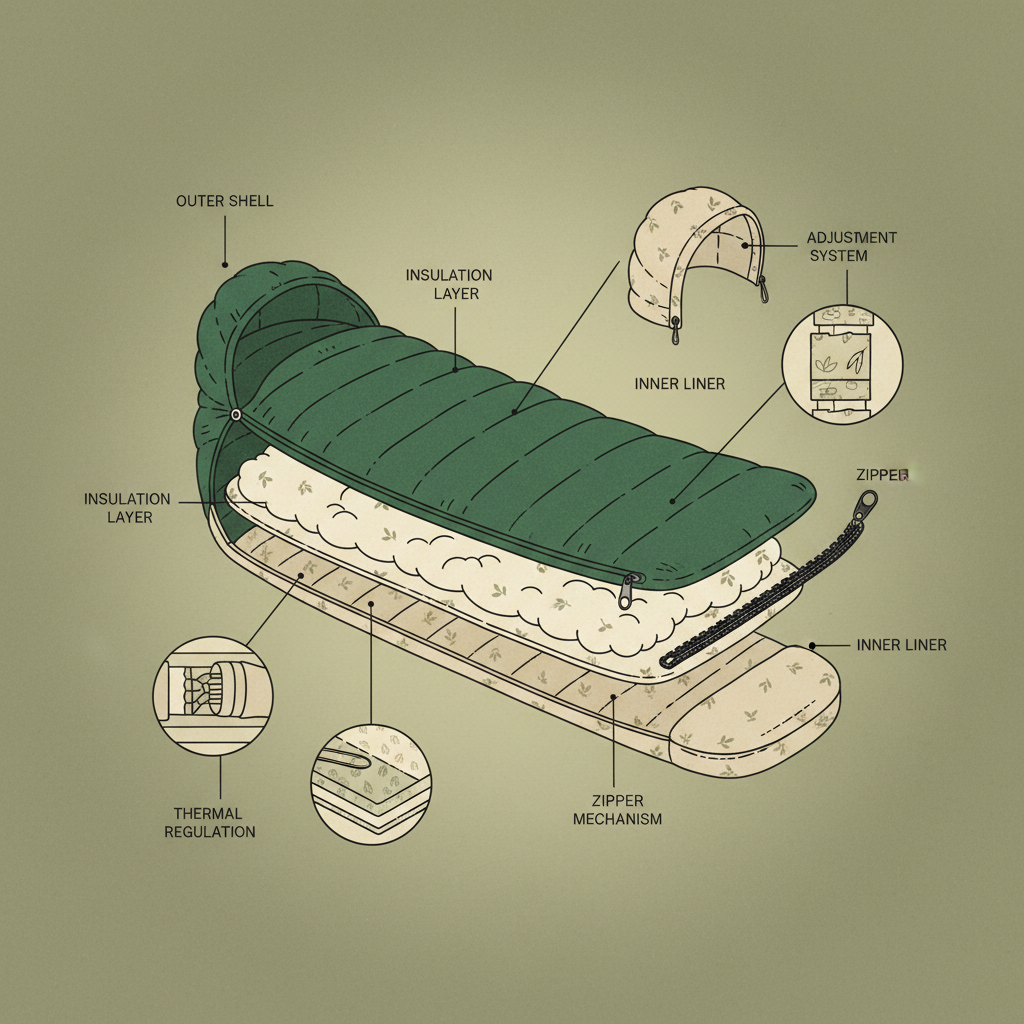
A customized sleeping bag isn't simply adding a logo. It’s a holistic design process. It's about taking into account the specific environment, the physical demands placed on the user, and even individual preferences. This can involve selecting specialized insulation materials, adjusting the bag’s shape and size for optimal thermal efficiency, and reinforcing key areas for increased durability.
We work closely with materials scientists and engineers to source fabrics and insulation that meet precise specifications. Things like water resistance, breathability, weight, and packability all come into play. The goal is to create a bag that performs flawlessly in the intended environment, regardless of the challenges.
It’s connected to the modern industry, and increasingly, humanitarian needs. In disaster relief, being able to quickly provide appropriate sleep systems—based on the climate of the affected area—is vital. It's not one-size-fits-all; it’s about responsiveness and targeted support.
Key Factors in Customized Sleeping Bag Design
Durability is paramount. We're not building bags to last a weekend; we’re building them to withstand years of hard use. That means selecting high-denier fabrics, reinforced stitching, and robust zippers. We consider abrasion resistance, tear strength, and overall longevity. This directly impacts the total cost of ownership.
Thermal efficiency is obviously critical. This isn’t just about the fill power of the insulation; it's about the bag’s overall design. We optimize the baffle construction to minimize heat loss and maximize warmth. Different fill materials—down, synthetic, or a blend—offer varying degrees of warmth, weight, and compressibility, and the choice depends on the specific application.
Weight and packability are huge factors, particularly for mobile operations. Engineers need to carry their gear, and every ounce counts. We work to minimize weight without compromising durability or thermal performance. Compression sacks are also key—a bag that packs down small is far easier to transport and store.
Global Applications and Real-World Use Cases
In post-disaster relief operations, we’ve provided customized sleeping bags to organizations responding to earthquakes, hurricanes, and floods. These bags are designed to provide warmth and comfort in chaotic and often extremely challenging conditions. Speed of deployment and suitability to local climates are crucial.
In remote industrial zones, like oil and gas platforms or mining camps, we equip workforces with heavy-duty bags built to withstand harsh environments and constant use. These bags are often customized with features like integrated pockets for personal items and reinforced construction for added durability.
We also work with research teams conducting fieldwork in extreme environments, from the Arctic to the Antarctic. These clients require highly specialized bags that can provide reliable protection from the elements while minimizing weight and bulk. It's about enabling scientific advancement in the toughest places on Earth.
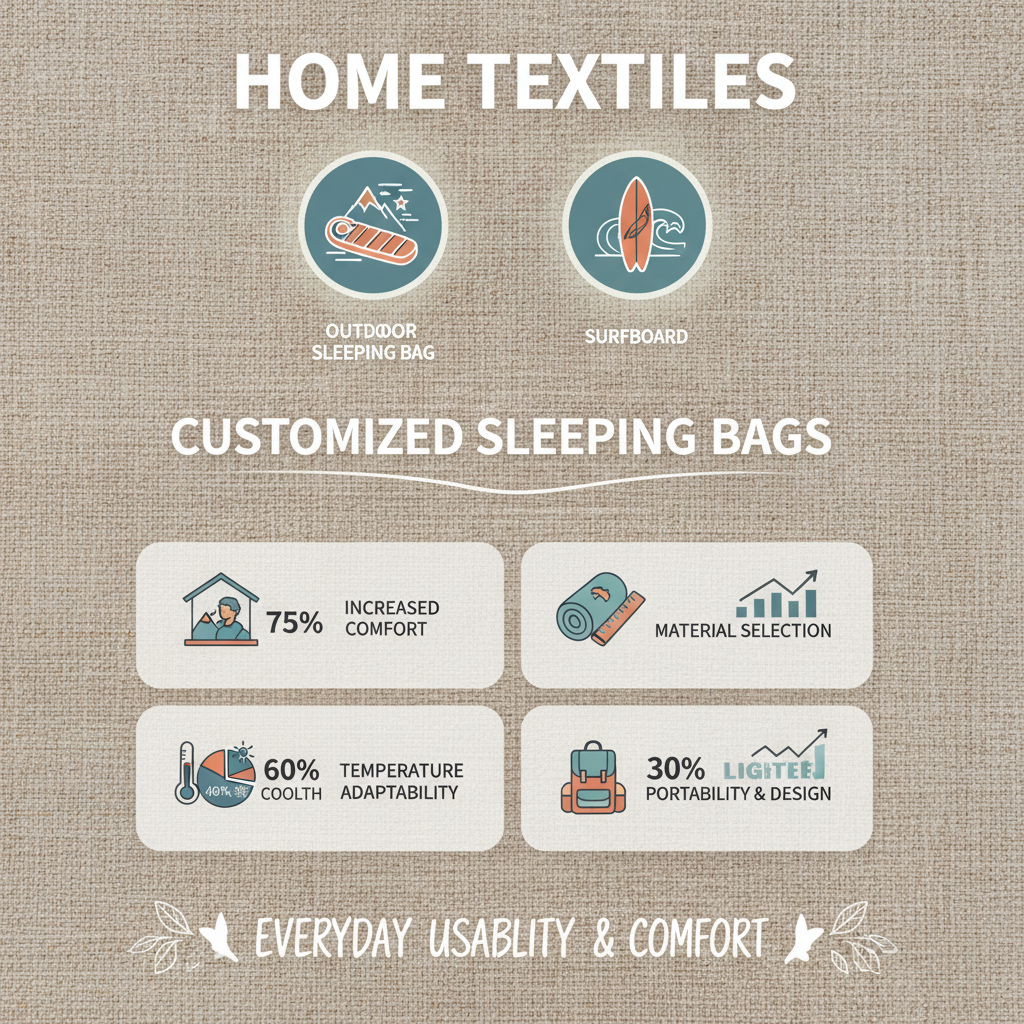
customized sleeping bags Performance Metrics
Advantages and Long-Term Value of Customization
The initial investment in customized sleeping bags might be higher than buying off-the-shelf options, but the long-term cost savings are significant. Reduced replacement rates, improved worker productivity, and minimized health risks all contribute to a strong return on investment.
Beyond the financial benefits, there’s a significant ethical dimension. Providing workers with appropriate gear demonstrates a commitment to their well-being and fosters a culture of safety. That’s not just good for morale; it's good for business.
Future Trends and Innovations in Sleeping Bag Technology
We’re seeing a lot of exciting developments in materials science. New insulation materials—like graphene-enhanced synthetics—offer improved thermal performance and reduced weight. We're also exploring bio-based and recycled materials to minimize the environmental impact.
Smart fabrics with integrated sensors are another area of interest. These sensors can monitor body temperature, humidity, and even sleep patterns, providing valuable data for optimizing thermal comfort and improving worker health. The potential for proactive fatigue management is huge.
Challenges and Solutions in Implementing Customized Sleeping Bag Programs
One of the biggest challenges is accurately assessing the specific needs of the end-users. It requires a thorough understanding of the operating environment, the physical demands, and individual preferences. We address this through detailed site assessments and direct feedback from workers.
Supply chain disruptions can also be an issue, particularly when sourcing specialized materials. We mitigate this risk by diversifying our suppliers and maintaining strategic inventory levels. Building strong relationships with our suppliers is crucial.
Finally, managing the logistics of customization—from design and prototyping to production and delivery—can be complex. We’ve invested in a robust project management system to streamline the process and ensure timely delivery.
Summary of Customized Sleeping Bag Program Implementation
| Challenge |
Solution |
Impact on Project |
Cost Implications |
| Inaccurate Needs Assessment |
Detailed Site Assessments & Worker Feedback |
Increased User Satisfaction & Effectiveness |
Low - primarily time investment |
| Supply Chain Disruptions |
Supplier Diversification & Strategic Inventory |
Reduced Delays & Increased Reliability |
Medium - increased inventory costs |
| Complex Logistics |
Robust Project Management System |
Streamlined Process & Timely Delivery |
Medium - software & training costs |
| Material Sourcing |
Partnerships with Specialized Manufacturers |
Access to High-Performance Materials |
Medium to High - dependent on material selection |
| Quality Control |
Multi-Stage Inspection Process |
Reduced Defects & Increased Durability |
Low to Medium - labor costs for inspection |
| Customization Lead Times |
Proactive Planning & Early Engagement |
Meeting Project Deadlines & Reducing Rework |
Low - requires early coordination |
FAQS
Lead times vary depending on the complexity of the customization and current production schedules, but generally range from 8 to 16 weeks. Complex designs, specialized materials, or large order volumes will naturally require longer lead times. We prioritize clear communication throughout the process and provide realistic delivery estimates upfront. We also offer expedited options for urgent needs, although these come at a premium.
Absolutely. We offer a range of branding options, including embroidered logos, printed graphics, and custom labeling. We can work with your existing brand guidelines to ensure consistent visual identity. We use high-quality, durable materials and techniques to ensure the branding remains visible and intact even after extended use and washing. It’s a great way to build morale and reinforce company pride.
We can customize almost any aspect of the bag’s size and shape to accommodate specific body types and needs. This includes adjusting the length, width, and girth of the bag, as well as modifying the baffle construction to optimize thermal efficiency. We can even create custom designs for unique applications, such as bags with integrated straps or specialized pockets.
We offer a range of insulation options, including down, synthetic, and blends. Down provides the best warmth-to-weight ratio but is more expensive and loses its insulating properties when wet. Synthetic insulation is more affordable and retains its warmth when wet but is heavier and bulkier. Blends offer a compromise between these two options. The best choice depends on the specific application and budget.
Yes, we offer comprehensive post-sales support and repair services. We understand that these bags are often used in harsh conditions, and occasional repairs may be necessary. We have a team of experienced technicians who can quickly and efficiently repair damaged bags. We also offer guidance on proper care and maintenance to extend the life of your investment.
Durability is at the core of our design process. We use high-denier fabrics, reinforced stitching, and robust zippers. Each bag undergoes rigorous quality control checks throughout the production process. We also offer warranties on our products to provide peace of mind. We aren't building disposable gear; we're building reliable equipment that will perform under pressure for years to come.
Conclusion
Investing in customized sleeping bags isn't just about providing comfortable bedding. It’s a strategic decision that impacts worker safety, productivity, and long-term cost efficiency. By tailoring solutions to specific environmental challenges and individual needs, we can improve morale, minimize health risks, and ensure operational success. It’s a foundational element of responsible project management.
Looking ahead, continued innovation in materials science and manufacturing techniques will further enhance the performance and sustainability of these vital pieces of equipment. Proactive engagement with end-users, coupled with a commitment to quality and durability, will be key to unlocking the full potential of customized sleeping bag programs. Visit our website at customized sleeping bags to learn more.