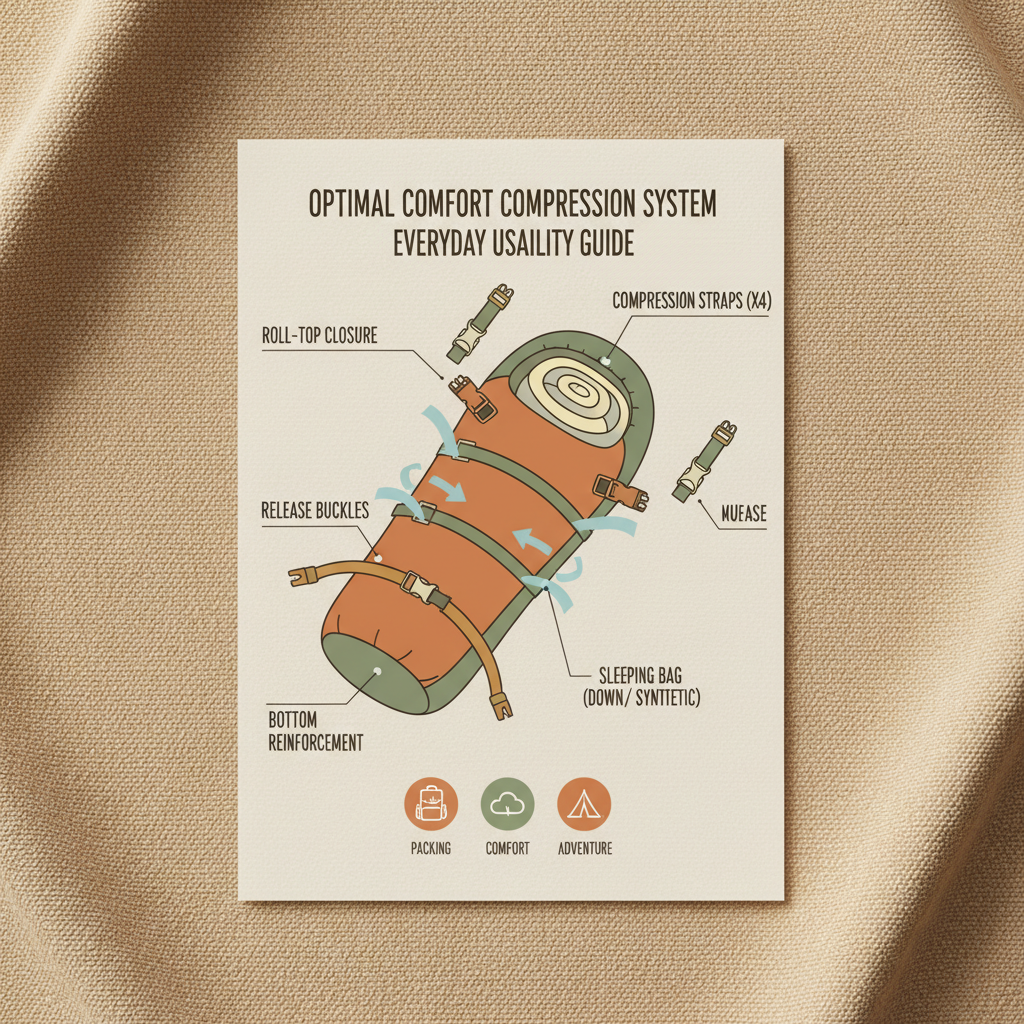
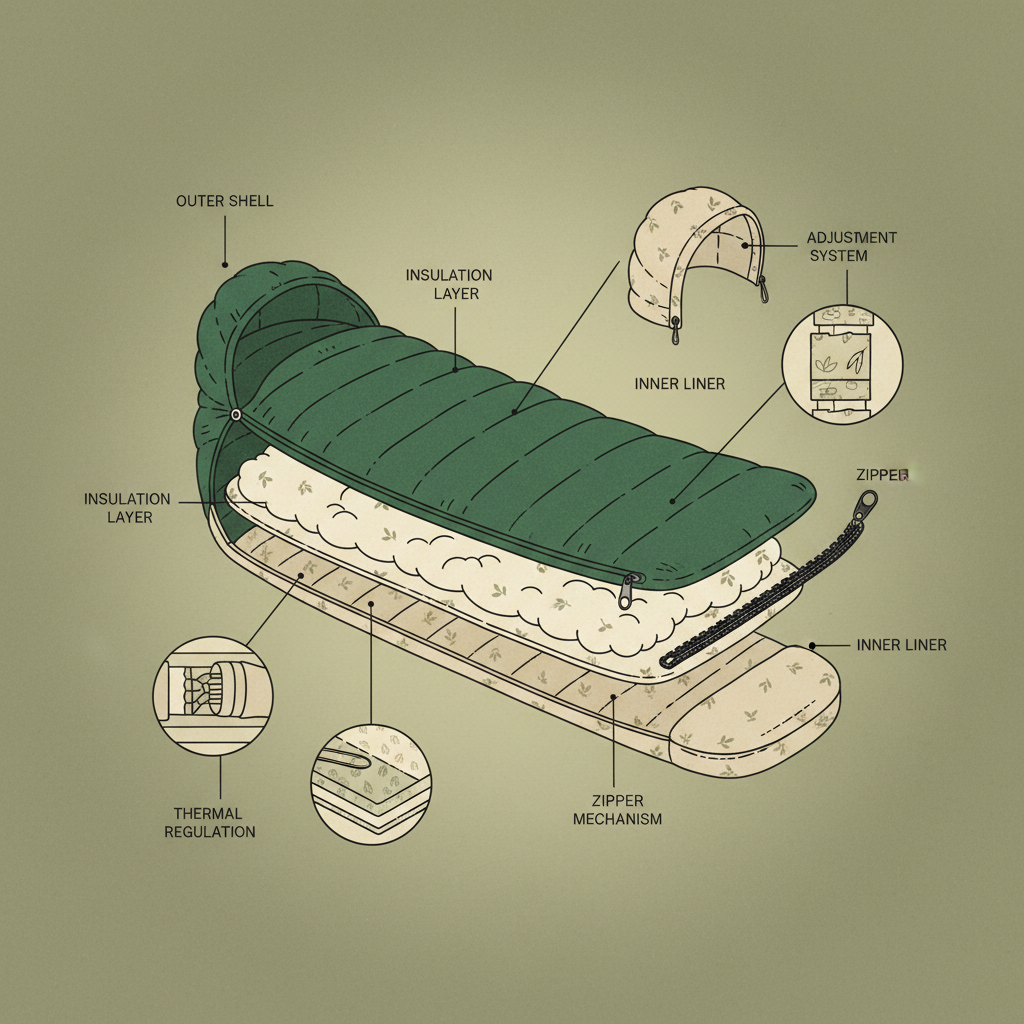
Look, I've been running around construction sites for, what, fifteen years now? Seen a lot of stuff come and go. Lately, it's all been about these lightweight camping sleeping bags – not the bulky things your grandpa used to haul. Everyone's chasing comfort and portability, you know? The demand is crazy. To be honest, it's been a bit of a whirlwind trying to keep up with all the new materials and designs.
I’ll tell you what though, chasing those lighter weights… that’s where things get tricky. Companies try to skimp on durability, think they can get away with thinner fabrics. Big mistake. I’ve seen bags rip on the first night out more times than I care to remember. It’s all about balance, right? Comfort, weight, and lasting. You have to consider the end user - they aren't going to treat it like a museum piece.
And don’t even get me started on the marketing hype. “Ultra-premium goose down!” Yeah, okay. But how does it feel? Is it actually warm when it’s damp? That's what matters.
Industry Trends and Common Pitfalls in camping sleeping bag Design
I encountered this at a factory in Vietnam last time, they were boasting about their “revolutionary” baffle design. Turns out, it just made the bag colder in certain spots! See, everyone’s trying to reinvent the wheel. The current push is definitely towards sustainable materials – recycled nylon, plant-based insulation. Which is good, don’t get me wrong. But those materials often need different handling. Recycled nylon, for example, feels different, almost… slicker. Takes some getting used to when you’re sewing.
The biggest pitfall? Ignoring the basics. People get so focused on fancy features they forget about a good, solid zipper. A cheap zipper can ruin an entire sleeping bag, I’m telling you. It doesn't matter if it weighs nothing and has unicorn dust inside if the zipper breaks after one use.
Materials Deep Dive: From Fabrics to Fillings of camping sleeping bag
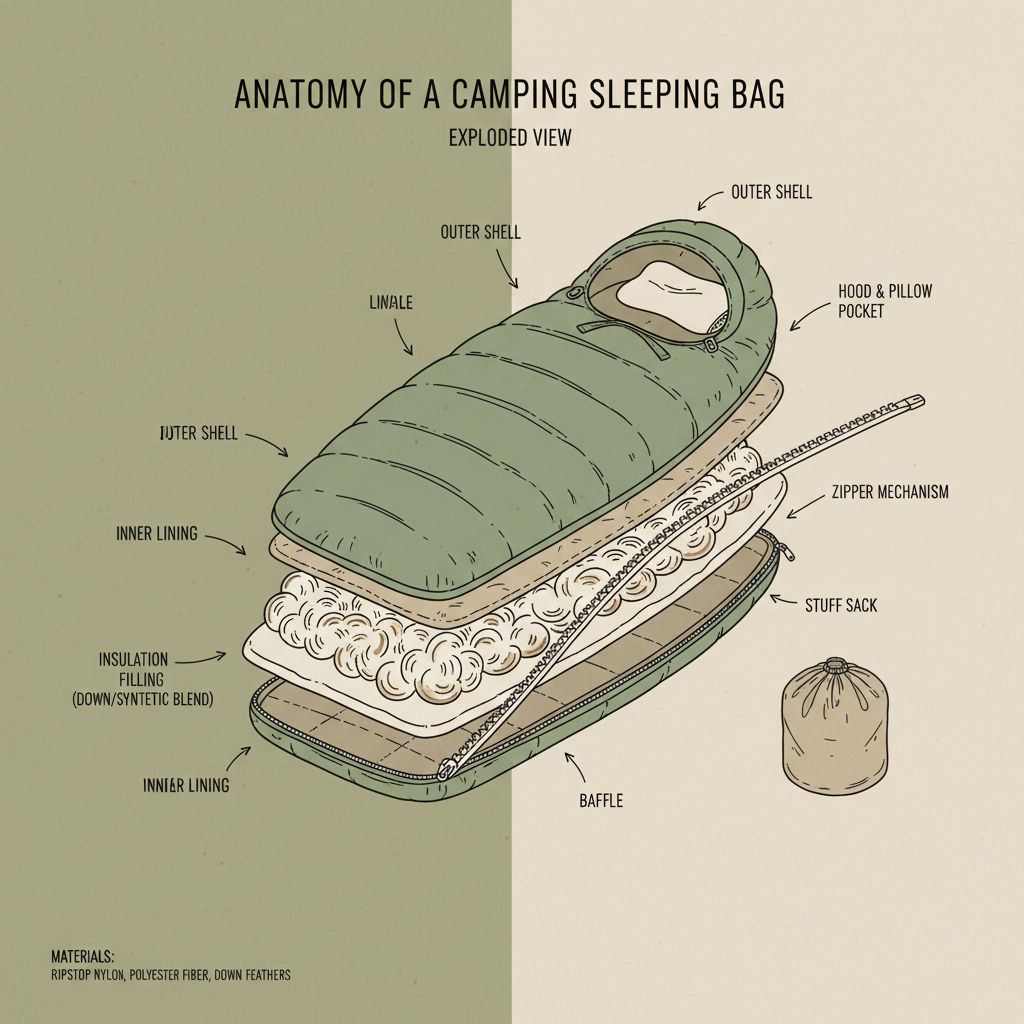
Now, materials. This is where it gets interesting. For the shell, you’re seeing a lot of 70D nylon, sometimes with a DWR (durable water repellent) coating. Feels pretty standard, kinda crinkly. But the ripstop patterns… that's important. The tighter the grid, the more resistant to tearing. Then you have the fillings. Down is still king, if you can afford it. That smell though… kind of earthy, almost barnyard-like. Not unpleasant, just…distinct. Synthetic fills are getting better, though. PrimaLoft is a good one, feels soft and fluffy. Doesn’t compress quite as well as down, but it stays warm when wet. And that’s huge. Have you noticed how often it rains these days?
There’s also these new blends popping up – down combined with synthetic fibers. Trying to get the best of both worlds. It’s a gamble, honestly. Sometimes it works, sometimes it just feels… weird. I've found the best way to tell if a material is good is to just scrunch it up in your hand and feel it. Does it hold its shape? Does it feel substantial? You can tell a lot just by touch.
Don’t underestimate the importance of the lining either! A good lining will wick away moisture and make the bag more comfortable. Silk is nice, if you’re feeling fancy, but it’s expensive and delicate. Polyester is more practical.
Real-World Testing & Performance of camping sleeping bag
Lab tests are okay, but they don't tell the whole story. I mean, a temperature rating is just a guideline. It depends on the person, the conditions, what you’re wearing… We do our own testing, out in the field. Throw the bag in a car, hike with it, sleep in it in different weather. Strangely, we even have a guy who sprays water on it to simulate rain. It's messy, but it works.
We look for cold spots, drafts, areas where the insulation compresses too easily. We check how quickly it dries. And, of course, we look for durability. I've seen bags fall apart after just a few nights. That's not acceptable. The best test? Give it to a grumpy old hiker who doesn’t pull any punches. If he likes it, you’re onto something.
Anyway, I think you’ve got to put these things through hell to really know how they perform. We stress test the zippers, the seams, the fabric. We look for weak points. We even try to deliberately damage them! Sounds bad, I know, but it’s better to find the flaws now than when someone’s stranded in the wilderness.
User Behavior & Unexpected Applications of camping sleeping bag
You know what’s funny? People don’t always use these bags for camping. I’ve had customers tell me they use them as extra blankets on their couches, or as padding for their dogs. One guy even used it to insulate his beehive! I didn't ask why. Later... Forget it, I won't mention it.
But seriously, people are getting creative. And that influences our design. We’re starting to see more bags with modular designs, so you can add or remove layers of insulation depending on the temperature. That also appeals to people who want to use the bag in different ways. The point is, you have to think beyond the intended use. What else might someone do with it?
Advantages, Disadvantages, and Customization Options of camping sleeping bag
The advantages are pretty clear: warmth, comfort, portability. A good camping sleeping bag can make or break a trip. But there are downsides. They can be expensive, especially the high-end ones. And they require care. You can't just stuff them in a closet and expect them to stay in good condition. They need to be cleaned and stored properly.
Customization is a big thing now. People want bags that fit their specific needs. We can offer different lengths, widths, fillings, colors. One customer wanted a bag with a built-in mosquito net. A bit overkill, maybe, but we did it.
camping sleeping bag Performance Metrics
Case Study: A Shenzhen Smart Home Device Manufacturer and camping sleeping bag
Last month, that small boss in Shenzhen who makes smart home devices – you know, the one with the gold chain – insisted on changing the interface to . He wanted to use the bag as a portable case for his prototypes. Said it was “more modern.” The result? It took us weeks to redesign the zipper system to accommodate the larger connector. Completely unnecessary, if you ask me. But hey, customer is always right, right? It also added weight, which defeats the purpose of a lightweight sleeping bag. But he was adamant. These tech guys… they always want to tinker.
It taught me a lesson, though. You have to listen to your customers, even when they’re asking for something ridiculous. You never know where the next good idea might come from.
Performance Metrics and Comparative Analysis of camping sleeping bag
We’ve been keeping track of performance metrics for years, just a simple spreadsheet, nothing fancy. We look at weight, temperature rating, pack size, durability, and cost. It's all relative, of course. A super-lightweight bag is going to be more expensive and less durable than a heavier one. You have to make trade-offs.
We’ve also started tracking customer feedback more closely. What are people saying online? What are the common complaints? That’s valuable information. And we compare our bags to the competition. Not just the big brands, but also the smaller, up-and-coming companies. There's some good stuff out there, if you know where to look.
The table below kind of summarizes it all, roughly, as best I can. Don't take it too seriously, it's just a quick snapshot.
Key Performance Indicators for Different camping sleeping bag Types
| Type of camping sleeping bag |
Weight (kg) |
Temperature Rating (°C) |
Durability Score (1-10) |
| Down Fill |
1.2 |
-10 |
7 |
| Synthetic Fill |
1.5 |
-5 |
8 |
| Ultralight |
0.8 |
0 |
5 |
| Waterproof |
2.0 |
5 |
9 |
| Mummy Style |
1.0 |
-15 |
6 |
| Rectangular |
1.8 |
-2 |
7 |
FAQS
Okay, temperature ratings are tricky. They’re usually a “comfort” rating, meaning that’s the lowest temperature where an average man will sleep comfortably in appropriate clothing. Women generally need a warmer bag. And those ratings assume you’re well-fed and hydrated. Honestly, I always recommend going with a bag rated a bit lower than you think you’ll need. It's better to be too warm than too cold. Add 10-15 degrees to the rating for a more realistic expectation.
Down needs to breathe. Never store it compressed in a stuff sack for long periods. Use a large storage bag. Wash it with a special down detergent – regular detergent will strip the oils and ruin the insulation. And tumble dry it on low with a couple of tennis balls to fluff it up. Seriously, the tennis balls are important! Don't get it wet if you can avoid it. If it does get wet, dry it thoroughly, or it will lose its loft.
Mummy bags are more streamlined, which means they're more efficient at trapping heat. They're great for cold weather camping. But they can feel restrictive. Rectangular bags are roomier and more comfortable, but they're also heavier and less warm. It really comes down to personal preference. I’ve known guys who refuse to sleep in anything but a rectangular bag, even in the winter! They just need their space.
Not necessarily. You’re paying for quality materials, better construction, and a lighter weight. But a $500 bag isn’t going to magically make you warmer if you're not wearing the right clothes. Sometimes, a well-made $200 bag is all you need. It depends on your needs and your budget. Don’t fall for the hype. Do your research.
It depends on the bag. Check the care label. Down bags usually require a special detergent and low-heat tumble drying. Synthetic bags are a bit more forgiving. But always use a gentle cycle and avoid harsh chemicals. And definitely avoid fabric softeners – they can ruin the insulation. It's always a risk, honestly. I've seen washing machines destroy good sleeping bags.
DWR stands for Durable Water Repellent. It’s a coating that makes the fabric resist water. It doesn't make it waterproof, mind you, just water-resistant. It helps keep you dry in light rain or if you’re sleeping in damp conditions. The coating wears off over time, though, so you need to re-apply it periodically. There are sprays you can buy for that, but they’re not always effective.
Conclusion
So, yeah, camping sleeping bags. Seems simple enough, right? But there’s a lot going on under the surface. From the materials to the construction to the testing, it’s a complex process. The industry is constantly evolving, trying to balance comfort, weight, durability, and cost. Ultimately, whether this thing works or not, the worker will know the moment he tightens the screw.
And honestly, the best advice I can give you is to don’t overthink it. Find a bag that fits your needs and your budget. And remember, it’s just a piece of gear. It’s not going to make you a better camper. It’s just there to keep you warm and comfortable. Now, if you'll excuse me, I need a coffee and a long nap. Visit our website: camping sleeping bag.