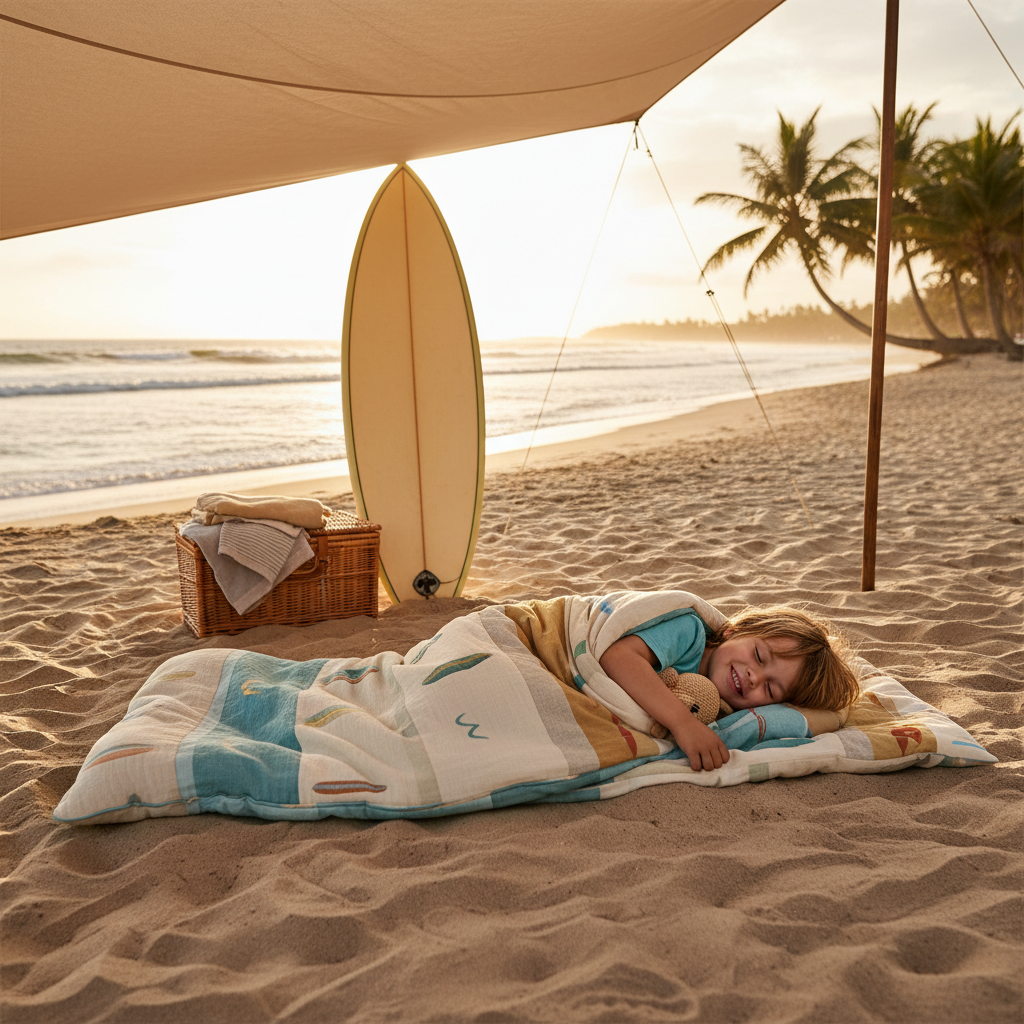
Choosing the right bedding for children is more than just a matter of aesthetics; it is about ensuring a safe, breathable, and comforting environment that promotes restorative sleep. A cotton kids sleeping bag stands out as a premier choice for parents who prioritize natural materials over synthetic alternatives, providing a cozy sanctuary for camping trips, sleepovers, or even quiet afternoons at home.
In the broader context of pediatric health and textile safety, the use of organic and high-quality cotton reduces the risk of skin irritation and overheating, which are common challenges with polyester-based gear. By integrating thermal efficiency with the hypoallergenic properties of natural fibers, these sleeping bags cater to the delicate needs of growing children while offering the durability required for active outdoor exploration.
Understanding the technical specifications—from thread count and weave to the specific weight of the cotton filling—allows caregivers to make informed decisions. This guide explores the multifaceted benefits of the cotton kids sleeping bag, analyzing its global industrial relevance, practical applications, and the long-term value it brings to a child's developmental years.
Global Demand for Natural Pediatric Bedding
The global shift toward sustainable living has significantly impacted the textile industry, particularly in the production of children's outdoor gear. Market data indicates a rising preference for biodegradable materials, with cotton remaining the gold standard for skin-contact fabrics due to its hypoallergenic nature. The cotton kids sleeping bag has seen a surge in demand across North America and Europe, where parents are increasingly wary of the microplastics associated with synthetic fleece.
This trend is not merely fashion-driven but is rooted in health concerns. According to ISO standards for textile safety, minimizing chemical residues in children's products is critical. By opting for high-grade cotton, manufacturers are addressing the challenge of "night sweats" and skin rashes, ensuring that children remain comfortable regardless of the external temperature, thereby promoting better sleep hygiene on a global scale.
Defining the Cotton Kids Sleeping Bag Standard
At its core, a cotton kids sleeping bag is a specialized piece of bedding engineered from natural cotton fibers, designed to provide warmth, portability, and comfort for children. Unlike adult sleeping bags that often prioritize extreme temperature ratings through heavy synthetic insulation, children's versions focus on a balance of breathability and moderate thermal retention to prevent overheating—a critical safety consideration for younger users.
In the modern manufacturing landscape, these products are categorized by their weave—such as percale or sateen—and their filling density. The connection to humanitarian needs is also evident; in disaster relief zones or temporary shelters, cotton-based sleeping gear provides a dignified and hygienic sleeping solution that is easier to wash and maintain in low-resource environments compared to complex technical fabrics.
Furthermore, the industry distinguishes between "pure cotton" and "cotton-blend" products. A true premium cotton kids sleeping bag utilizes long-staple cotton to ensure that the fabric does not pill or thin out over time, maintaining its structural integrity through repeated wash cycles and rigorous outdoor use, which is essential for the longevity of the product.
Core Components of High-Quality Cotton Sleep Gear
The first critical factor is Material Purity. A high-quality cotton kids sleeping bag must utilize fibers that are free from harsh bleach and synthetic dyes. This ensures that the fabric remains soft against the skin, reducing the likelihood of allergic reactions and ensuring that the child's sleep is undisturbed by tactile irritation.
Next is Thermal Regulation. Cotton is naturally breathable, allowing air to circulate and moisture to wick away from the body. In the context of a cotton kids sleeping bag, this means the product can adapt to varying room temperatures, keeping the child warm during a chilly autumn night while preventing the oppressive heat often felt in polyester-filled bags.
Finally, Structural Durability is paramount. This involves reinforced stitching at stress points—such as the zippers and the footbox—and a high-density weave that resists tearing. Because children are prone to tossing and turning, the mechanical strength of the cotton fabric ensures that the sleeping bag remains a reliable asset for several years of growth.
Performance Metrics and Breathability Analysis
Evaluating the effectiveness of a cotton kids sleeping bag requires looking at its moisture-management capabilities. Unlike synthetic fibers that can trap sweat, cotton absorbs moisture and allows it to evaporate, which is essential for maintaining a stable core body temperature. This physiological advantage makes cotton the preferred choice for children who are active sleepers.
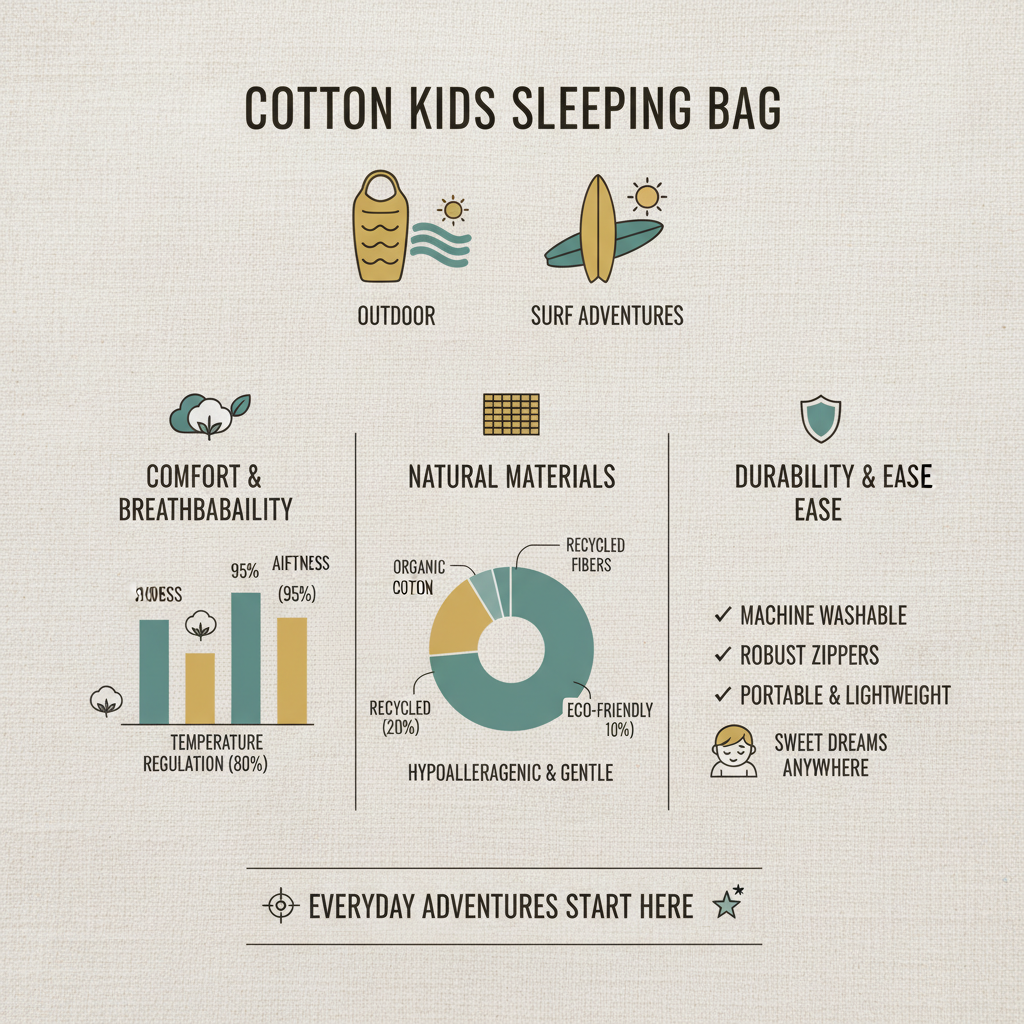
When comparing different manufacturing methods, we see a clear correlation between the weave density and the perceived comfort level. While heavier weaves provide more warmth, lighter, open-weave cottons offer superior ventilation for summer camping. The following data illustrates how different cotton configurations perform across key comfort metrics.
Performance Ratings for Cotton Kids Sleeping Bag Variants
Real-World Applications and Use Cases
The versatility of the cotton kids sleeping bag extends far beyond the traditional campsite. In educational settings, such as school overnight trips or nature retreats, these bags provide a consistent, familiar sleeping environment that helps reduce "first-night" anxiety in children. Their ease of packing makes them ideal for family road trips and temporary visits to relatives.
In more specialized contexts, such as remote industrial zones where families may reside in temporary housing, or in post-disaster relief operations, cotton sleeping bags are invaluable. They offer a layer of thermal protection and a sense of psychological security and dignity for displaced children, proving that a simple textile solution can have a profound social impact.
Long-Term Value and Sustainability Benefits
From an economic perspective, investing in a high-quality cotton kids sleeping bag offers significant long-term value. Because natural cotton is more resistant to the degradation caused by UV exposure and frequent washing than many cheap synthetics, these bags often last through multiple children in a single family, reducing the overall cost per use and minimizing textile waste.
Sustainability is another core advantage. Cotton is a renewable resource that, when sourced organically, minimizes the use of pesticides and reduces the carbon footprint of the manufacturing process. This aligns with the growing global commitment to a circular economy, where products are designed for longevity and eventual biodegradability rather than ending up in a landfill.
Beyond the tangible metrics, there is an emotional value associated with natural fibers. The softness and warmth of cotton evoke a sense of safety and trust, which is essential for a child's emotional well-being. When a child feels secure in their sleeping gear, they are more likely to embrace outdoor adventures and develop a lifelong love for nature.
Future Innovations in Cotton Textile Manufacturing
The future of the cotton kids sleeping bag lies in the intersection of nature and technology. We are seeing the emergence of "smart cotton" blends that incorporate non-toxic, mineral-based coatings to add water-repellent properties without sacrificing breathability. This allows the traditional cotton bag to perform better in damp environments without relying on PFAS "forever chemicals."
Automation in the textile industry is also enabling more precise quilting patterns, which optimize the distribution of cotton filling to prevent "cold spots." This ensures that the child remains warm in the extremities while the center of the bag remains breathable, combining traditional material benefits with modern engineering precision.
Furthermore, the integration of digital traceability allows parents to scan a QR code on the label to see the entire journey of the cotton—from the organic farm to the factory. This transparency builds trust and ensures that the product meets strict ethical and environmental standards.
Comparison of Cotton Kids Sleeping Bag Technical Specifications
| Material Grade |
Thermal Retention |
Breathability Score |
Durability Rating |
| Organic Long-Staple |
High |
9/10 |
10/10 |
| Recycled Cotton Mix |
Medium |
7/10 |
7/10 |
| Brushed Cotton Flannel |
Very High |
6/10 |
8/10 |
| Lightweight Poplin |
Low |
10/10 |
6/10 |
| Quilted Cotton Twill |
High |
8/10 |
9/10 |
| Sateen Cotton Blend |
Medium |
8/10 |
7/10 |
FAQS
While synthetic bags may have higher absolute temperature ratings for extreme cold, a cotton kids sleeping bag provides superior "comfortable warmth." It prevents the clammy feeling associated with polyester by absorbing moisture and regulating temperature, making it ideal for 3-season use and indoor environments where overheating is a risk.
To maintain the fibers, we recommend machine washing on a gentle cycle with cold water and a mild, eco-friendly detergent. Avoid bleach, as it weakens the cotton fibers. For drying, tumble dry on low heat or air dry in the shade to prevent shrinkage and maintain the plushness of the filling.
Yes, pure cotton is naturally hypoallergenic and breathable, which significantly reduces the risk of contact dermatitis or skin irritation. This makes the cotton kids sleeping bag an excellent choice for children with eczema or other skin sensitivities who react poorly to the chemical finishes found in some synthetic fabrics.
For extreme winter camping, a cotton bag alone may not be sufficient. However, it can be used as a highly comfortable liner inside a technical mummy bag. For mild winter use, choosing a brushed flannel or quilted cotton version provides ample warmth when paired with appropriate sleepwear.
It is generally advisable to choose a bag slightly larger than the child's current height. This allows for growth and prevents the child from feeling restricted, which can improve sleep quality. Many of our designs include adjustable features to ensure a snug fit for younger children while remaining viable as they grow.
Organic cotton is grown without synthetic pesticides or fertilizers, meaning the final product is free from toxic residues. For a cotton kids sleeping bag, this ensures a safer environment for the child, particularly as they often cuddle close to the fabric, making organic options the gold standard for health-conscious parents.
Conclusion
The cotton kids sleeping bag represents a perfect harmony between traditional material safety and modern functional design. By prioritizing breathability, hypoallergenic properties, and environmental sustainability, these products address the core needs of pediatric sleep hygiene while offering a durable solution for outdoor exploration. From the technical precision of the weave to the long-term ecological benefits, it is clear that natural fibers remain the superior choice for safeguarding a child's comfort and health.
As we move toward a future of more conscious consumption, choosing organic and durable textiles is an investment in both the planet and the next generation's well-being. We encourage parents and educators to prioritize natural materials that foster a healthy relationship with nature. To explore our full range of high-quality, sustainable bedding solutions for children, visit our website: www.aoxinoutdoor.com