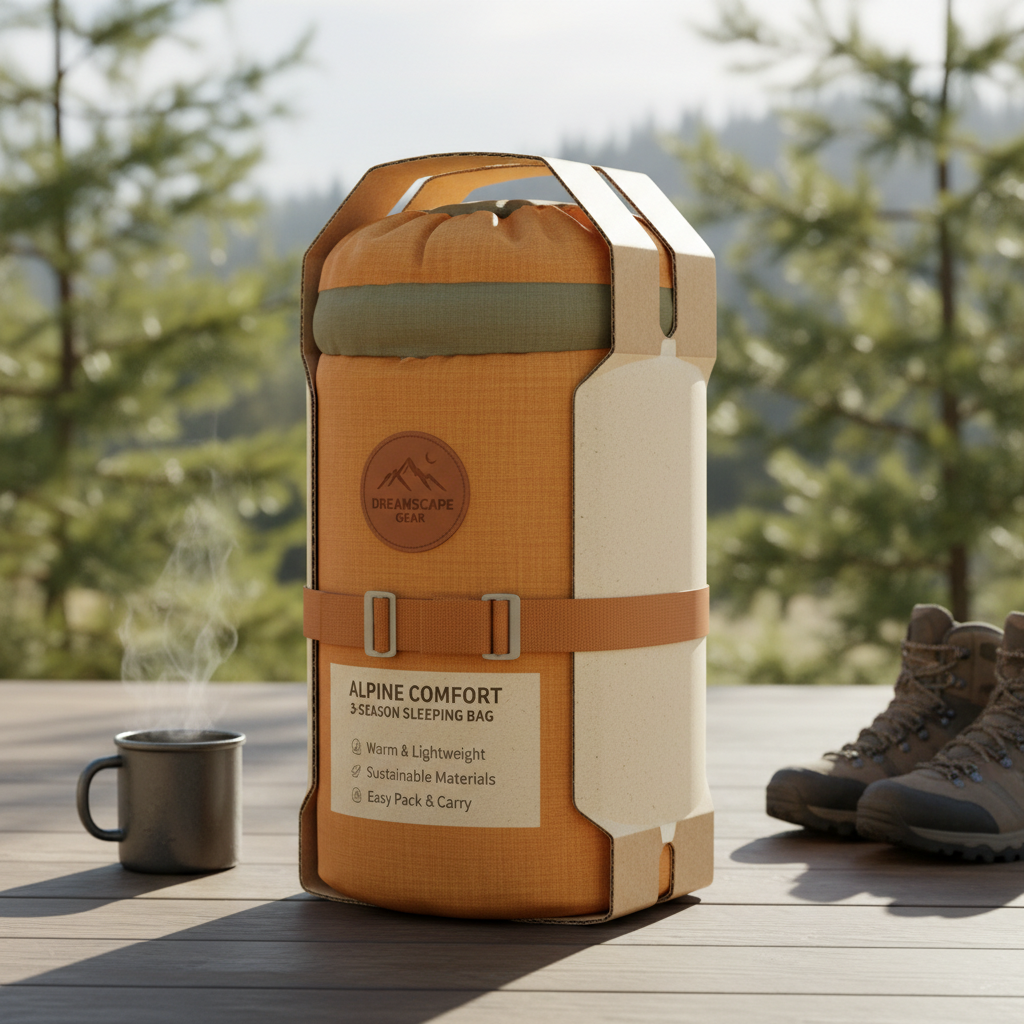
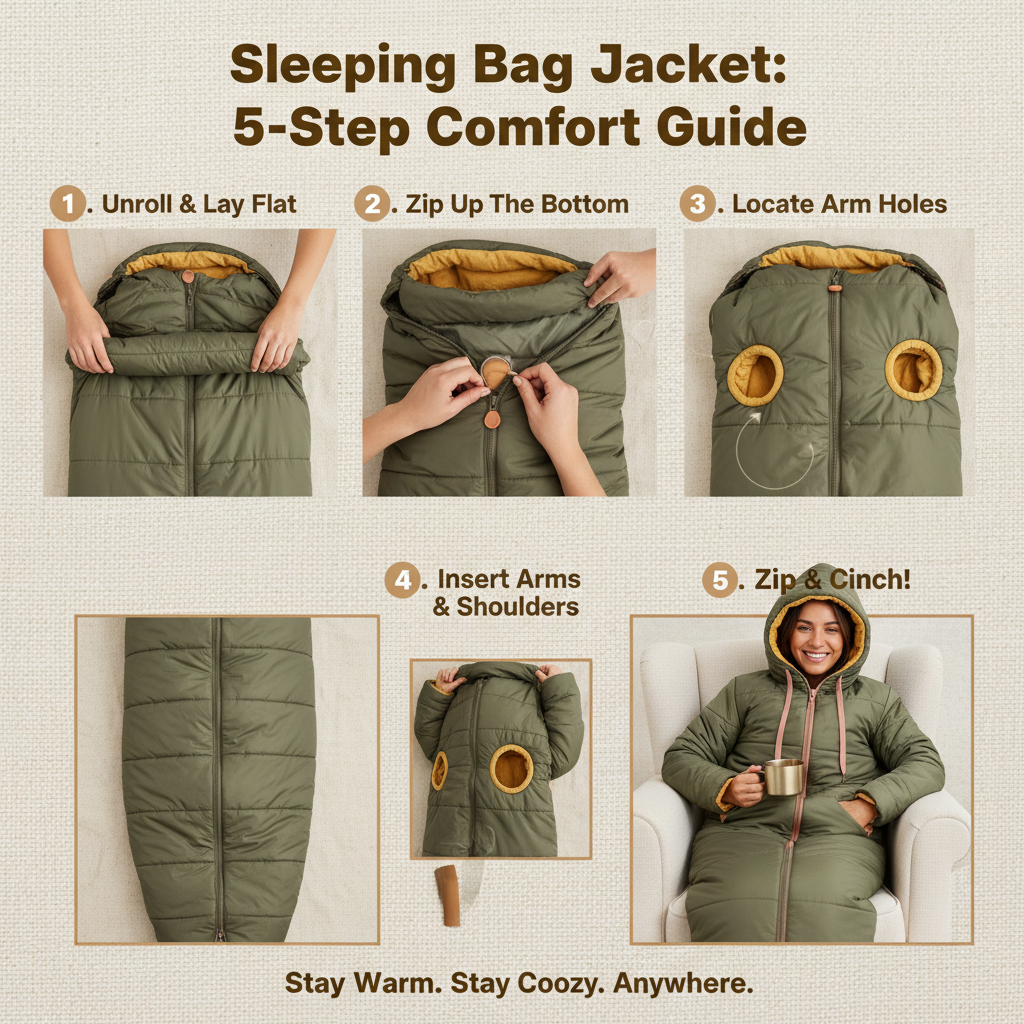
The global need for reliable and comfortable shelter is a fundamental human requirement, and the outdoor sleeping bag plays a crucial role in addressing this need across various scenarios. From adventurous expeditions to emergency relief efforts, these bags offer vital protection against the elements, ensuring survival and well-being. Understanding the nuances of outdoor sleeping bags – their construction, insulation, temperature ratings, and suitability for diverse environments – is paramount for individuals and organizations operating in challenging conditions.
The market for outdoor sleeping bags is substantial and growing, driven by increasing participation in outdoor recreation and a heightened awareness of disaster preparedness. According to reports from the Outdoor Industry Association, the outdoor recreation economy contributes hundreds of billions of dollars annually to the U.S. GDP, with a significant portion attributed to gear like sleeping bags. Globally, the demand is fueled by both developed and developing nations facing natural disasters and humanitarian crises. This underscores the importance of accessible, durable, and effective outdoor sleeping bag solutions.
The evolution of the outdoor sleeping bag reflects advancements in materials science and manufacturing techniques. Initially constructed from natural materials like down and wool, modern bags incorporate synthetic insulation, waterproof fabrics, and ergonomic designs to enhance performance and versatility. This continuous innovation allows for tailored solutions for everything from lightweight backpacking to extreme cold-weather expeditions, and even as critical supplies in emergency response situations.
The Significance of Outdoor Sleeping Bags
The importance of a quality outdoor sleeping bag extends far beyond simply providing a comfortable night’s rest. In wilderness settings, a sleeping bag is a critical component of a survival system, protecting against hypothermia – a potentially life-threatening condition. Choosing the right bag, considering factors like temperature rating and insulation type, can be the difference between a safe and enjoyable experience and a perilous situation.
Beyond recreational use, outdoor sleeping bags are essential for disaster relief. Following earthquakes, floods, or other emergencies, displaced populations often require immediate shelter and protection from the elements. Lightweight, packable, and warm sleeping bags can provide a vital layer of comfort and security, especially in temporary shelter situations. Their portability makes them ideal for rapid deployment to affected areas.
Defining the Outdoor Sleeping Bag
An outdoor sleeping bag is a thermally insulated bag designed to provide warmth and protection to a person sleeping outdoors. They are typically constructed with a shell and lining fabric, filled with an insulating material – either down or synthetic fibers – to trap body heat and prevent heat loss. Crucially, they are designed to be portable, allowing users to carry them on backpacking trips, camping excursions, or keep them readily available for emergency situations.
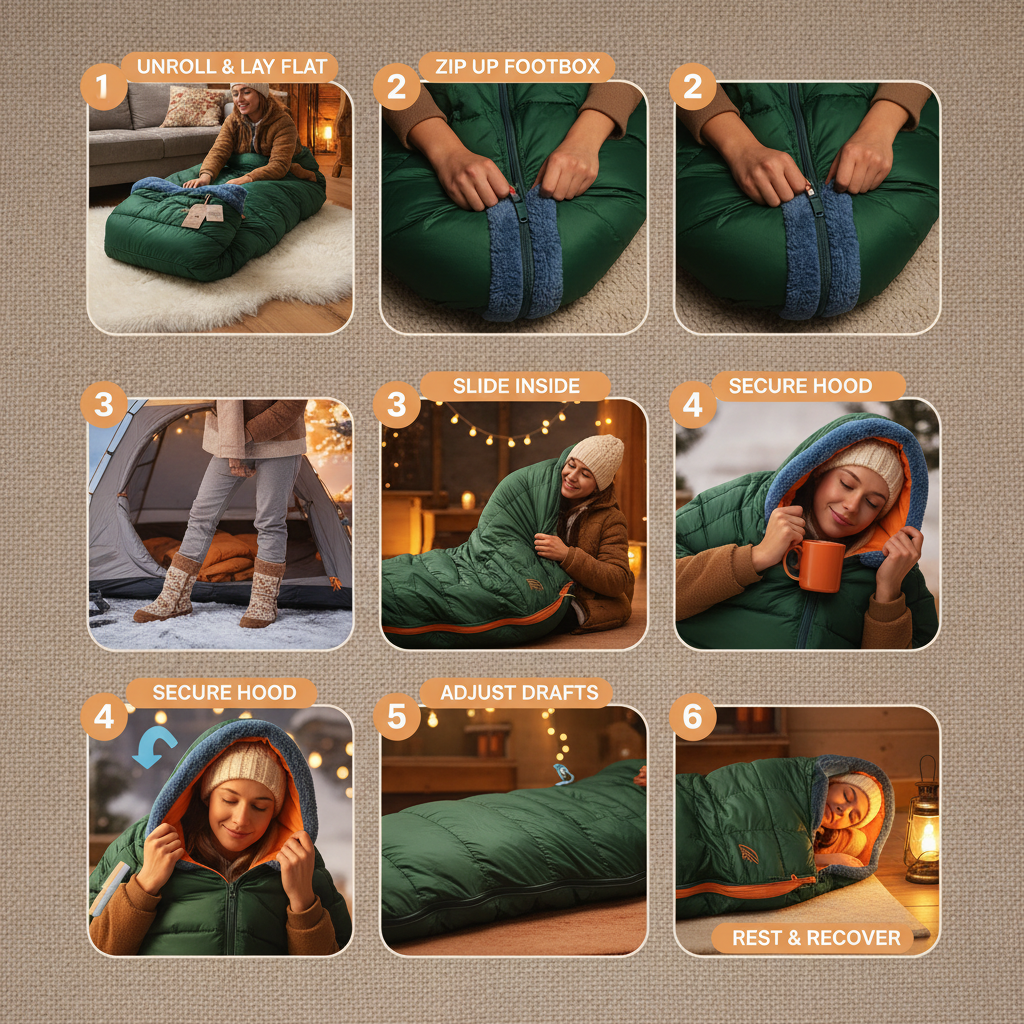
The modern outdoor sleeping bag has evolved from its simple beginnings as a basic cover for warmth. Today’s models incorporate advanced technologies, such as waterproof/breathable membranes, mummy-shaped designs to minimize heat loss, and integrated features like draft collars and hood closures. Their design directly impacts their functionality in varying climates and outdoor activities.
Understanding that an outdoor sleeping bag isn’t just a piece of gear, but a personal survival item, emphasizes the importance of proper selection and maintenance. It bridges the gap between personal comfort and the unforgiving aspects of nature, offering a safe haven for rest and recovery in challenging conditions.
Key Factors in Outdoor Sleeping Bag Design
Several key factors contribute to the overall performance and suitability of an outdoor sleeping bag. Firstly, insulation – down versus synthetic – is a primary consideration. Down offers exceptional warmth-to-weight ratio and compressibility but loses its insulating properties when wet. Synthetic insulation retains some warmth when damp and is generally more affordable.
Secondly, shell fabric plays a crucial role in weather protection and durability. Waterproof/breathable fabrics like Gore-Tex offer excellent protection against rain and snow while allowing moisture vapor to escape. Durability is also key; a robust shell will withstand abrasion from rocks and branches. Thirdly, shape influences heat retention. Mummy bags are contoured to fit the body, minimizing dead air space and maximizing warmth.
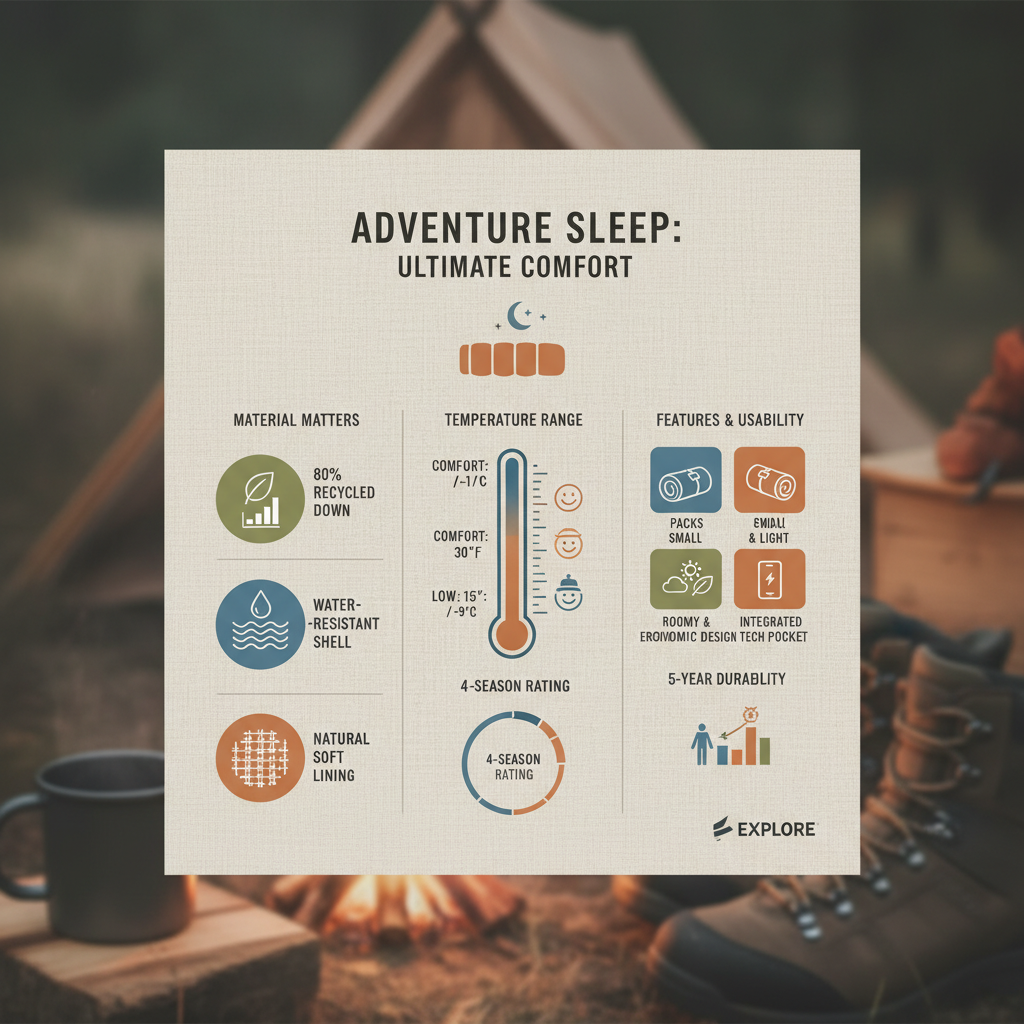
Finally, temperature rating is a critical indicator of a bag's thermal performance. These ratings, often provided by manufacturers, indicate the lowest temperature at which the bag is expected to keep an average sleeper warm. However, these ratings can be subjective and influenced by factors like individual metabolism and clothing. It is recommended to choose a bag rated for temperatures lower than those expected in your intended environment.
Performance Characteristics and Ratings
Evaluating the performance of an outdoor sleeping bag involves understanding various ratings and characteristics. The EN (European Norm) and ISO (International Organization for Standardization) standards provide guidelines for temperature ratings, helping consumers compare bags from different manufacturers. These ratings include a comfort limit (the lowest temperature at which a ‘warm’ sleeper can sleep comfortably), a limit temperature (the lowest temperature at which a ‘cold’ sleeper can sleep comfortably), and an extreme temperature (the temperature at which a standard woman can survive for six hours without risk of death due to hypothermia – not a recommended use temperature).
Beyond temperature ratings, weight and packability are essential, particularly for backpacking. Lighter bags are easier to carry, while those that compress to a smaller size save valuable space in a backpack. The fill power of down insulation is another important metric; higher fill power indicates better insulation for a given weight. A bag's baffle construction (the internal walls that hold the insulation in place) also affects its thermal efficiency.
Comparison of outdoor sleeping bag Insulation Types
Global Applications of Outdoor Sleeping Bags
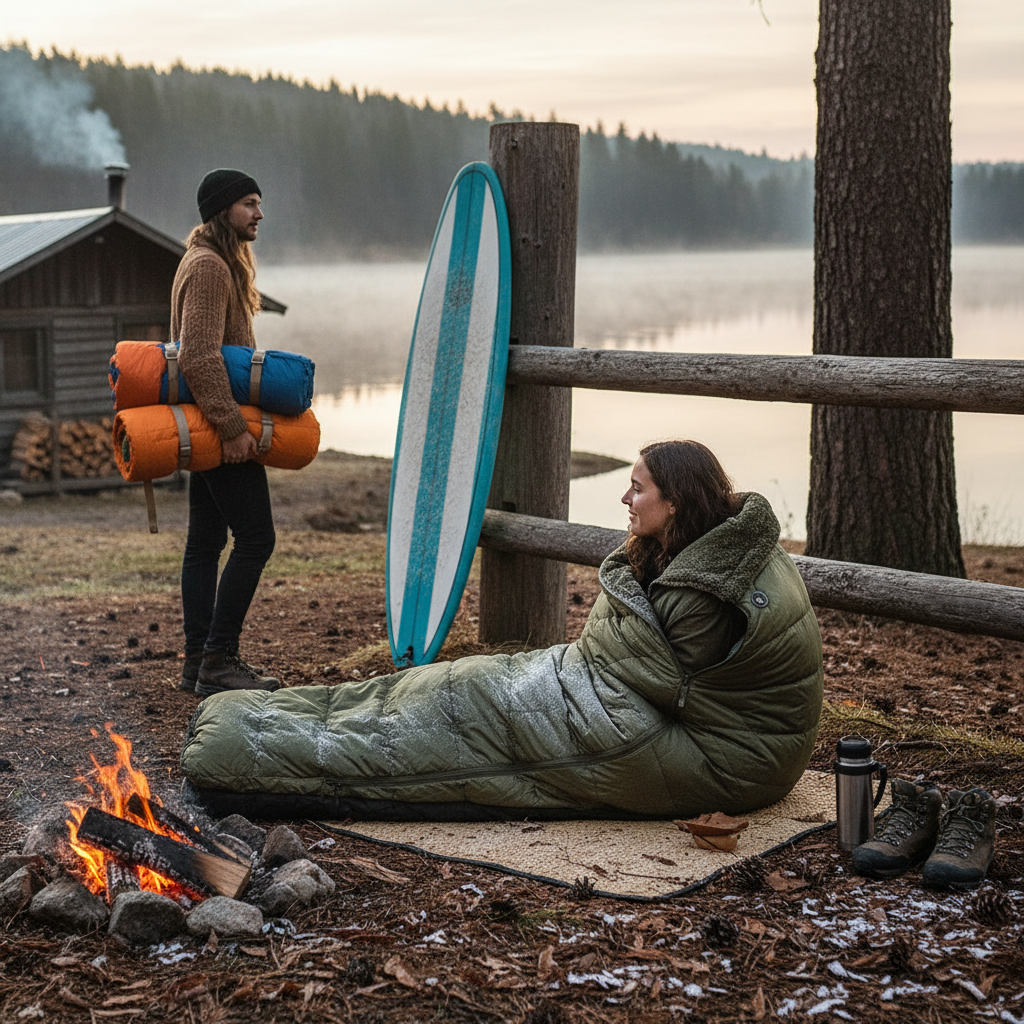
The applications of outdoor sleeping bags are widespread and diverse. For recreational users, they are indispensable for camping, backpacking, mountaineering, and other outdoor activities. Different environments demand different types of bags; for example, expedition-grade bags are necessary for high-altitude climbs, while lightweight bags are preferred for summer backpacking. The global outdoor recreation market continues to drive demand for specialized sleeping bag designs.
Beyond recreation, these bags play a vital role in humanitarian aid and disaster relief. In post-disaster relief operations, sleeping bags provide immediate warmth and protection to displaced populations. Organizations like the Red Cross and Doctors Without Borders rely on durable and packable outdoor sleeping bags as part of their emergency response kits. Their portability and ability to provide thermal comfort in challenging conditions make them a critical resource.
Advantages and Long-Term Value
Investing in a quality outdoor sleeping bag offers significant long-term value. While the initial cost may be higher than cheaper alternatives, a well-made bag will provide years of reliable service, saving money in the long run. Durability, proper care, and storage contribute to a longer lifespan.
The emotional value of a comfortable and secure night’s sleep outdoors cannot be overstated. A good sleeping bag enhances the overall outdoor experience, allowing individuals to fully enjoy their adventures without being hampered by discomfort or cold. Beyond comfort, a reliable outdoor sleeping bag provides peace of mind, knowing you are prepared for unexpected weather changes or emergency situations.
Future Trends and Innovations
The future of outdoor sleeping bag technology is focused on sustainability and enhanced performance. Manufacturers are increasingly utilizing recycled materials and eco-friendly manufacturing processes to reduce their environmental impact. The development of new insulation materials, such as bio-based synthetics, is also gaining momentum.
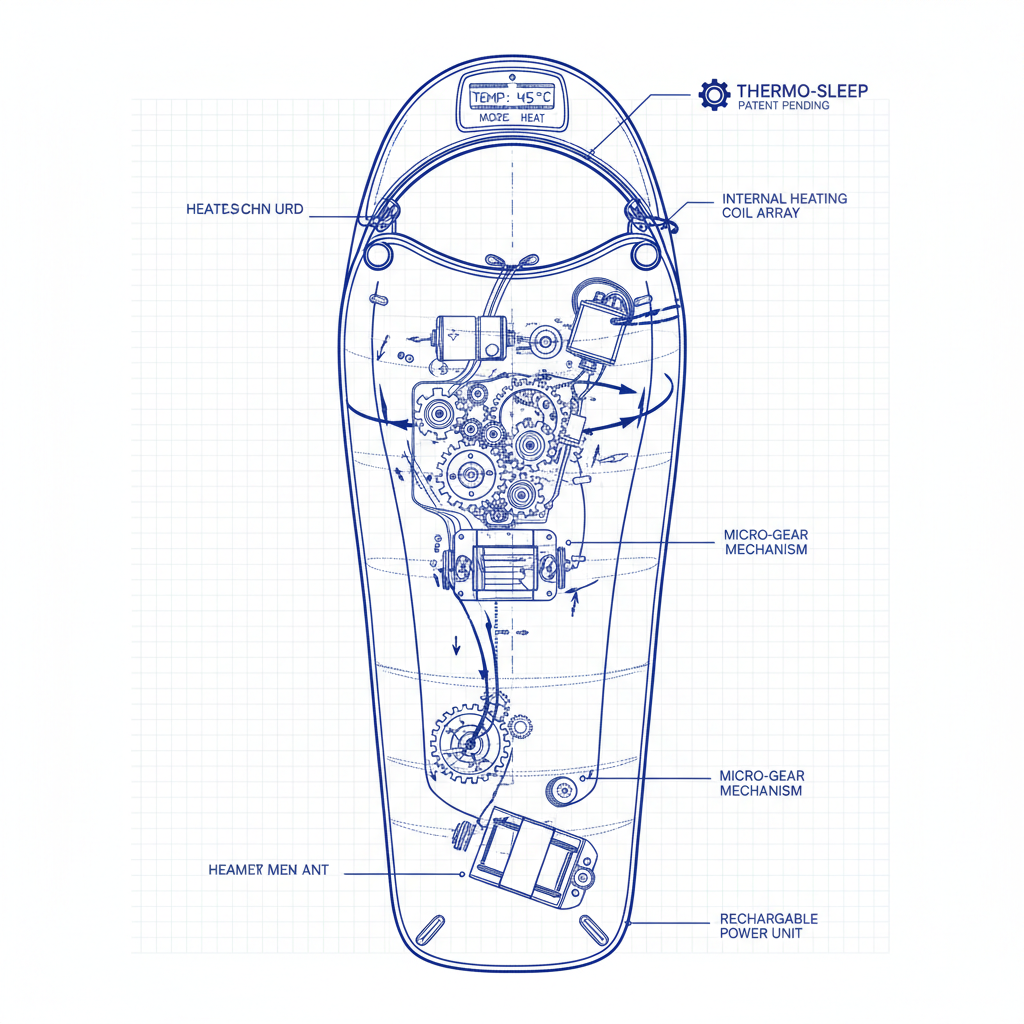
Another trend is the integration of smart technologies. Some bags now feature built-in sensors that monitor temperature and humidity, providing real-time feedback to the user. Heated sleeping bags, powered by portable batteries, are also becoming increasingly popular for extreme cold-weather expeditions. These innovations aim to provide greater comfort, safety, and versatility.
Moreover, advancements in fabric technology are leading to lighter, more durable, and more breathable shell materials. These innovations will further improve the performance and longevity of outdoor sleeping bags, catering to the evolving needs of adventurers and emergency responders alike.
Summary of Future Trends in Outdoor Sleeping Bag Technology
| Material Innovation |
Technological Integration |
Sustainability Practices |
Design Optimization |
| Bio-based Synthetic Insulation |
Temperature/Humidity Sensors |
Recycled Fabrics and Fillings |
Ergonomic Shape Refinement |
| Enhanced Down Treatments |
Heated Sleeping Bag Systems |
Eco-Friendly Manufacturing Processes |
Improved Baffle Construction |
| Advanced Waterproof Membranes |
Smart Fabric Technology |
Reduced Carbon Footprint |
Modular Design for Customization |
| Self-Repairing Fabrics |
Wireless Charging Capabilities |
Biodegradable Materials |
Optimized Weight-to-Warmth Ratio |
| Lightweight Durable Fabrics |
Integrated Emergency Signaling |
Supply Chain Transparency |
Customizable Temperature Zones |
| Aerogel Insulation Integration |
Sleep Monitoring and Analysis |
Circular Economy Initiatives |
Adaptable Design for Diverse Climates |
FAQS
The temperature rating depends on the conditions you'll be encountering. Consider the lowest temperature you expect, and add at least 10-15 degrees for a comfort margin. Also, be realistic about your sleeping habits – if you tend to sleep cold, opt for a warmer bag. Remember that temperature ratings are guidelines, and individual experiences may vary. Selecting a bag with a lower limit than expected is always the safer choice. A quality outdoor sleeping bag is critical for staying safe.
Down is renowned for its exceptional warmth-to-weight ratio and compressibility. However, it loses its insulating properties when wet and can be more expensive. Synthetic insulation retains some warmth even when damp, is more affordable, and is hypoallergenic. The best choice depends on your priorities and typical use case. For consistently dry conditions, down is often preferred. For wet climates, synthetic is a better option.
Proper care is crucial for prolonging the life of your outdoor sleeping bag. Store it loosely in a large storage sack rather than compressing it tightly for extended periods. Wash it according to the manufacturer’s instructions, using a specialized down or synthetic detergent. Air dry the bag thoroughly before storing it. Regular cleaning and proper storage will maintain its loft and insulating properties.
Fill power measures the loft (fluffiness) of down. A higher fill power indicates more air is trapped, providing better insulation for a given weight. Fill powers typically range from 550 to 900. Generally, a fill power of 600 or higher is considered good quality. Higher fill power bags are lighter and more compressible, but also more expensive.
The shape significantly impacts thermal efficiency. Mummy bags are contoured to fit the body, minimizing dead air space and maximizing warmth. Rectangular bags offer more space but are less efficient at retaining heat. Semi-rectangular bags provide a compromise between comfort and warmth. Choosing the right shape depends on your sleep style and the temperatures you’ll be encountering.
While an outdoor sleeping bag provides crucial insulation, it's generally not designed to be used as a standalone shelter. It lacks the structural integrity and weather protection of a tent or tarp. In emergency situations, it can offer temporary protection from wind and light rain, but it's always best to have a dedicated shelter for reliable protection.
Conclusion
In conclusion, the outdoor sleeping bag represents a critical piece of equipment for anyone venturing into the outdoors, facing emergency situations, or simply seeking a comfortable and secure night’s rest in challenging conditions. Understanding the key factors influencing performance – insulation, temperature rating, shape, and materials – is crucial for making an informed decision. Investing in a quality bag provides long-term value, safety, and enhanced enjoyment of outdoor activities.
Looking ahead, continued innovation in materials science and sustainable manufacturing practices will further improve the performance and environmental impact of these essential items. As technology advances, we can expect to see more smart features and personalized solutions tailored to individual needs and preferences. Ultimately, the outdoor sleeping bag will continue to play a vital role in enabling exploration, ensuring safety, and promoting comfort in a world increasingly focused on outdoor recreation and preparedness.