Heated sleeping bags represent a significant advancement in outdoor comfort and safety, particularly in challenging environments. These innovative sleeping solutions utilize integrated heating elements to provide consistent warmth, extending the usability of outdoor activities into colder seasons and providing critical thermal support in emergency situations. The growing demand for reliable and comfortable outdoor gear is driving the adoption of this technology, offering a compelling alternative to traditional insulation methods.
The global relevance of a heated sleeping bag extends beyond recreational use. According to the UN Refugee Agency (UNHCR), millions are displaced annually due to conflict and natural disasters, often requiring immediate shelter and thermal protection. ISO standards emphasize the importance of thermal comfort in protective clothing and equipment, and heated sleeping bags are increasingly recognized as a viable solution for meeting these standards in demanding conditions. This represents a growing market driven by humanitarian needs and a desire for improved survival rates.
Moreover, the increasing popularity of winter sports, camping, and long-duration outdoor expeditions further fuels the demand for advanced thermal solutions like heated sleeping bags. The ability to maintain a comfortable body temperature without the bulk of excessive layering is a key advantage, enhancing performance and overall enjoyment of outdoor activities.
The Core Principles of a Heated Sleeping Bag
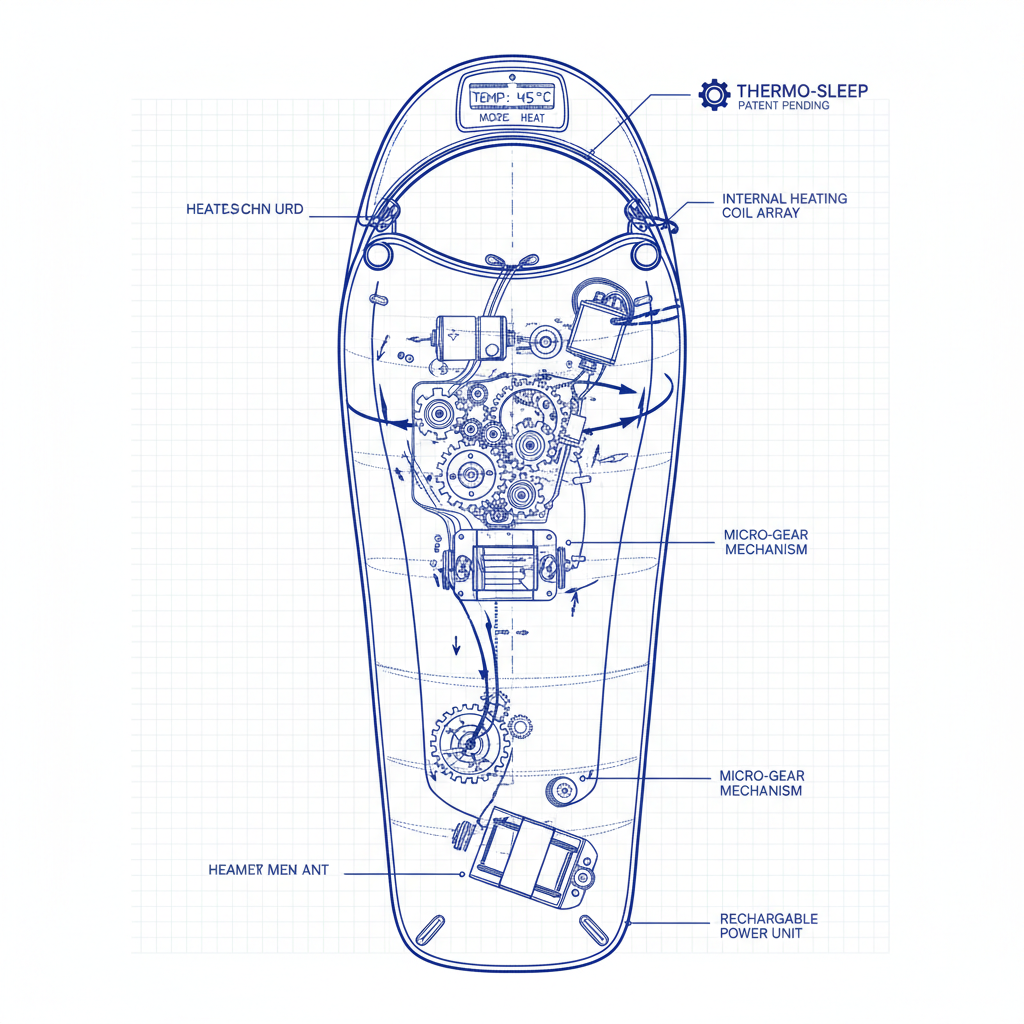
At its core, a heated sleeping bag operates on the principle of converting electrical energy into thermal energy. This is achieved through strategically placed heating elements within the bag’s lining, providing warmth directly to the user. The effectiveness of this system depends on factors like the heating element’s efficiency, the bag's insulation, and the power source used.
Understanding heat transfer – conduction, convection, and radiation – is crucial for optimizing the design of a heated sleeping bag. A well-designed bag minimizes heat loss through conduction (contact with cold surfaces) and convection (air movement), maximizing the impact of the heating elements and maintaining consistent warmth for the user.
The Technological Evolution of Heated Sleeping Bags
Early iterations of heated sleeping bags were often bulky and unreliable, relying on heavy batteries and inefficient heating coils. However, advancements in battery technology, particularly lithium-ion and polymer batteries, have led to significant reductions in weight and size, making heated sleeping bags more portable and practical.
The introduction of carbon fiber heating elements marked another significant improvement. Carbon fiber is lightweight, durable, and provides even heat distribution, enhancing both comfort and safety. Modern heated sleeping bags also feature sophisticated temperature control systems, allowing users to adjust the heat output to their specific needs and environmental conditions.
Furthermore, integration with smart technologies, such as smartphone apps for remote control and monitoring, is becoming increasingly common. These advancements have transformed heated sleeping bags from a niche product to a mainstream option for serious outdoor enthusiasts and those requiring reliable thermal protection.
Essential Components of Heated Sleeping Bag Systems
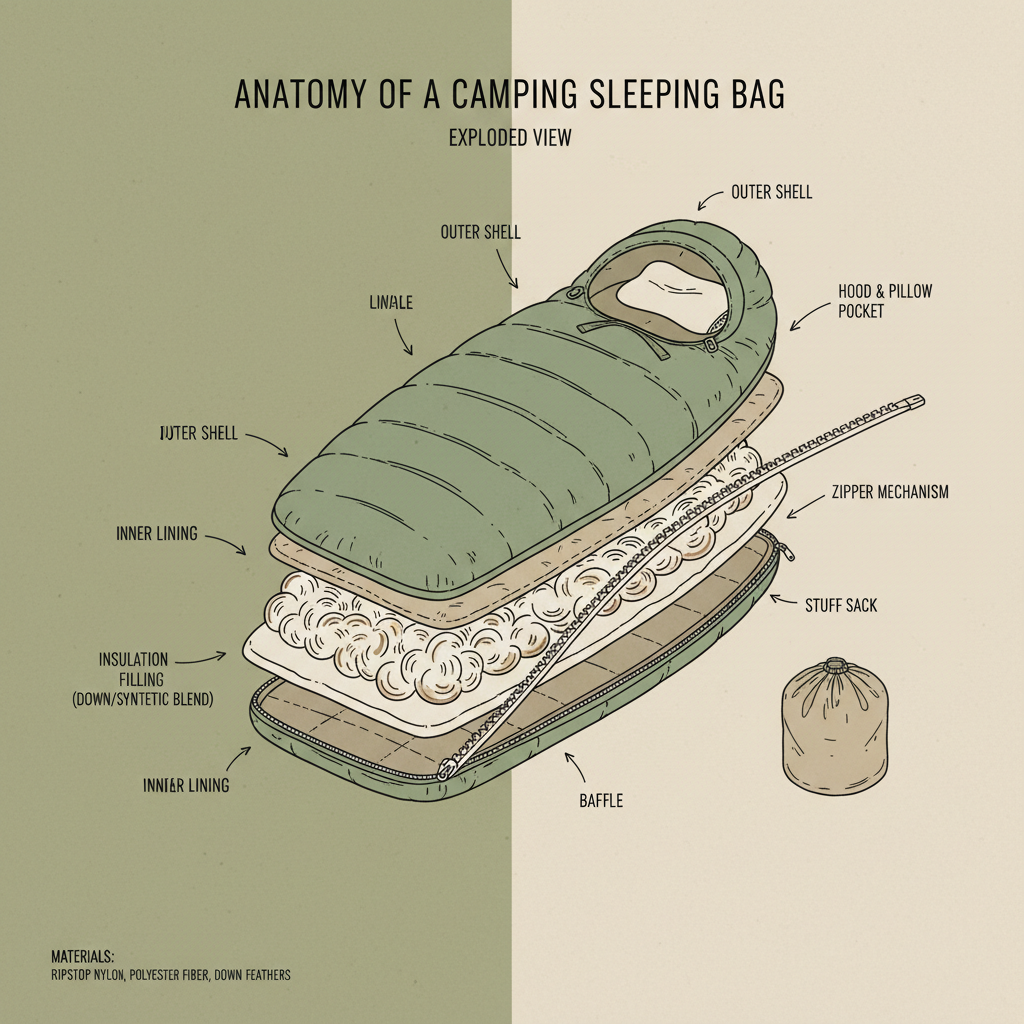
A typical heated sleeping bag system consists of several key components: the sleeping bag itself (often made from materials like nylon or polyester), the heating elements (usually carbon fiber or resistive wire), a power source (battery pack or external power adapter), and a control system (temperature regulator and power switch). Each component plays a critical role in the overall performance of the system.
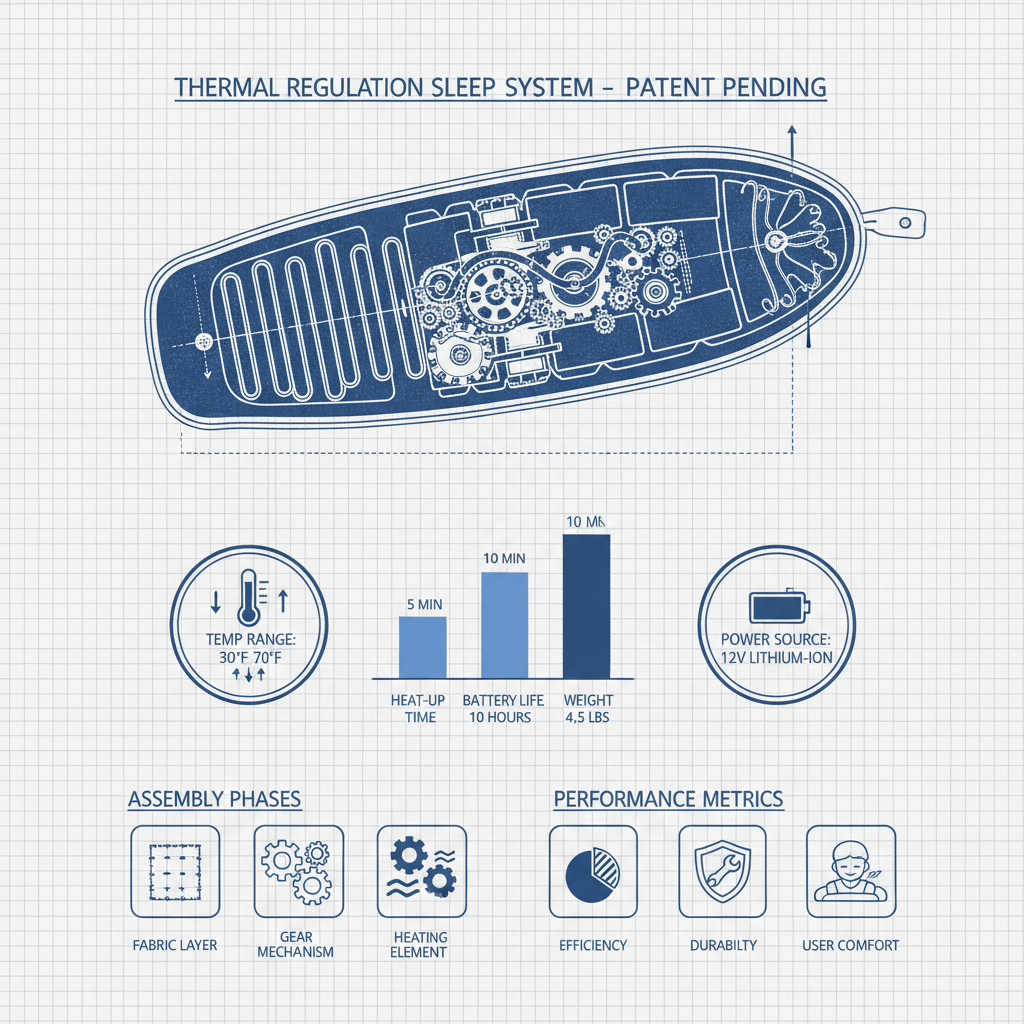
The battery pack is arguably the most important component, determining the duration of heating and the overall portability of the heated sleeping bag. Battery capacity is measured in mAh (milliampere-hours) or Wh (watt-hours), with higher values indicating longer runtime. The choice of battery technology also impacts weight and recharge time.
The control system allows users to adjust the heat output, preventing overheating and conserving battery life. Sophisticated systems often include multiple heat settings and automatic shut-off timers for added safety and convenience. The quality of the insulation material surrounding the heating elements is also crucial for maximizing heat retention and minimizing energy consumption.
Performance Metrics and Heated Sleeping Bag Evaluation
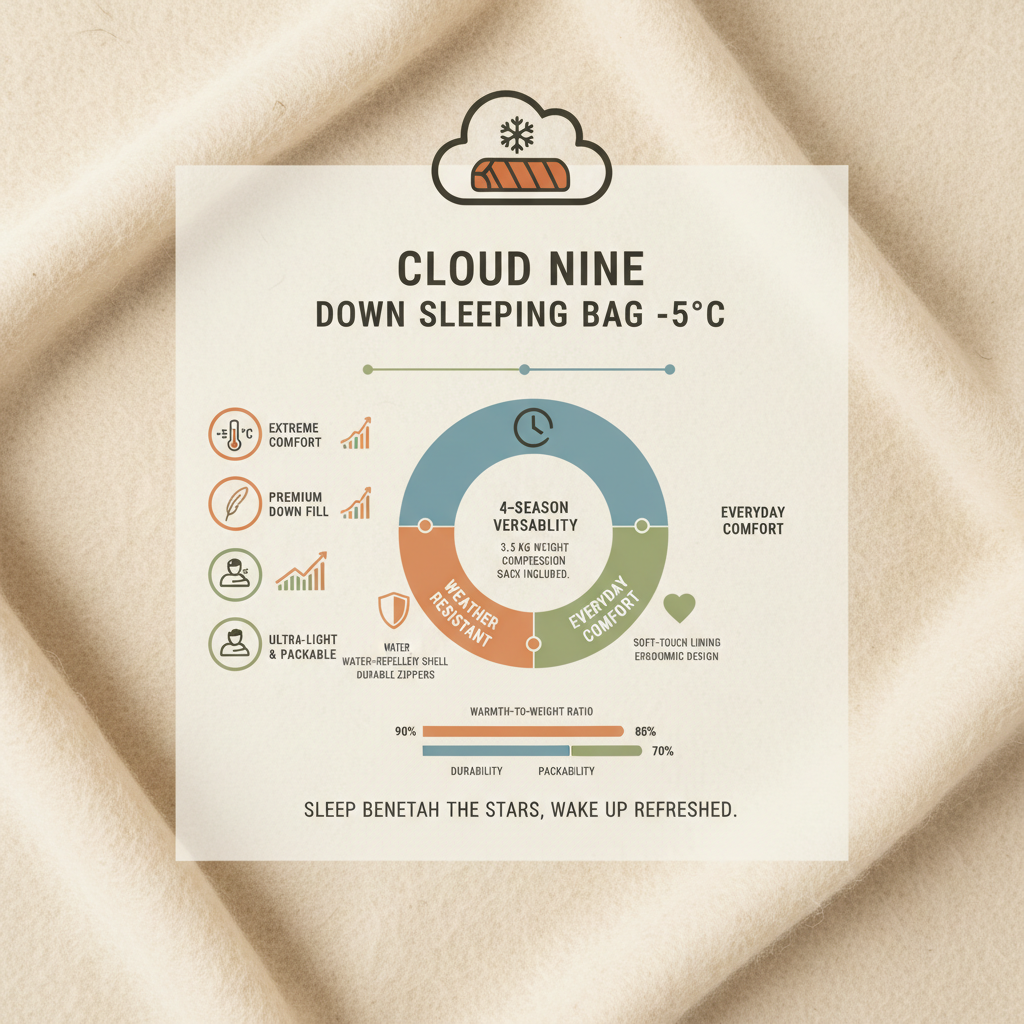
Evaluating the performance of a heated sleeping bag requires considering several key metrics. Thermal efficiency, measured by the bag’s ability to retain heat with the heating elements activated, is paramount. Runtime, the duration the bag can provide heat on a single charge, is another critical factor, influenced by battery capacity and heat output.
Weight and packability are also important, especially for backpacking and other activities where minimizing gear weight is essential. Safety features, such as overheat protection and automatic shut-off, should be carefully assessed.
Heated Sleeping Bag Performance Comparison
Global Deployment and Applications of Heated Sleeping Bags
Heated sleeping bags find applications in a wide range of settings. In post-disaster relief operations, they provide critical thermal protection for survivors exposed to harsh weather conditions. Humanitarian organizations increasingly rely on these bags to prevent hypothermia and improve survival rates in emergency situations.
The outdoor recreation industry is another major market for heated sleeping bags, with demand driven by campers, hikers, and adventurers seeking enhanced comfort and safety in cold environments. Military and law enforcement personnel also utilize heated sleeping bags for operations in extreme climates.
The Long-Term Benefits and Sustainability of Heated Sleeping Bags
The long-term benefits of adopting heated sleeping bag technology extend beyond immediate comfort and safety. By reducing the need for excessive layering, these bags can improve mobility and reduce physical strain. The ability to maintain a consistent body temperature can also enhance sleep quality, leading to improved cognitive function and performance.
From a sustainability perspective, advancements in battery technology and the use of recycled materials are minimizing the environmental impact of heated sleeping bags. Furthermore, the increased durability and longevity of these bags compared to traditional options reduce the need for frequent replacements, contributing to a more sustainable consumption pattern.
Future Innovations and Challenges in Heated Sleeping Bag Technology
The future of heated sleeping bag technology is likely to be driven by advancements in several key areas. The development of more efficient and lightweight batteries, such as solid-state batteries, will significantly improve runtime and portability. Integration with renewable energy sources, such as solar panels, could further enhance sustainability.
Smart textiles with integrated heating elements are also on the horizon, offering a seamless and customizable heating experience. However, challenges remain in terms of cost, durability, and the need for robust safety features. Addressing these challenges will be crucial for unlocking the full potential of heated sleeping bag technology.
Furthermore, improving the recyclability of the materials used in heated sleeping bags is essential for minimizing their environmental footprint and promoting a circular economy.
Summary of Heated Sleeping Bag Technological Challenges
| Challenge Area |
Severity (1-10) |
Potential Solutions |
Impact on Heated Sleeping Bag |
| Battery Life |
9 |
Solid-state batteries, solar integration |
Extended usability in remote areas |
| Cost |
7 |
Economies of scale, material innovation |
Increased accessibility to a wider market |
| Durability |
8 |
Reinforced heating elements, rugged materials |
Improved reliability in harsh conditions |
| Weight |
6 |
Lightweight materials, miniaturized components |
Enhanced portability for backpacking |
| Recyclability |
5 |
Sustainable material selection, design for disassembly |
Reduced environmental impact |
| Safety Standards |
7 |
Enhanced overheat protection, certifications |
Increased user confidence and trust |
FAQS
Heated sleeping bags offer several advantages, including superior warmth in extreme cold, reduced need for bulky layers, and customizable temperature control. Traditional sleeping bags rely solely on insulation, which can be insufficient in very low temperatures. Heated sleeping bags provide an active heating source, ensuring consistent warmth and comfort, especially beneficial for individuals prone to cold sensitivity.
Battery life varies significantly depending on the battery capacity (measured in mAh or Wh), the heat setting used, and the ambient temperature. Generally, a fully charged battery pack can provide between 4 to 12 hours of heat, with lower heat settings extending the runtime. Some models allow for connecting to external power sources for continuous operation.
Reputable heated sleeping bag manufacturers incorporate multiple safety features to minimize risks. These include overheat protection, automatic shut-off timers, and low-voltage heating elements. However, it’s crucial to follow the manufacturer's instructions carefully and avoid using damaged or modified equipment. Overheating is rare with modern control systems, but always monitor your comfort level.
Caring for a heated sleeping bag involves similar steps to caring for a traditional sleeping bag, such as regular cleaning and proper storage. However, it’s essential to disconnect the battery pack before cleaning and avoid immersing the heating elements in water. Follow the manufacturer's instructions for washing and drying, and store the bag in a dry, ventilated place.
While heated sleeping bags excel in cold weather, they can also be used in milder conditions by adjusting the heat setting. However, they are most beneficial in temperatures below freezing, where traditional sleeping bags may struggle to provide adequate warmth. Consider the overall insulation level of the bag in addition to the heating capabilities when choosing a model for specific weather conditions.
The price of a heated sleeping bag can vary widely depending on the features, materials, and brand. Generally, you can expect to pay between $150 and $500 for a good quality model. Higher-end bags with advanced features, such as smartphone connectivity and extended battery life, may cost upwards of $600 or more.
Conclusion
Heated sleeping bags represent a significant innovation in thermal comfort and safety, offering a compelling solution for a wide range of applications, from outdoor recreation to emergency relief. Their ability to provide consistent, customizable warmth, combined with advancements in battery technology and sustainable materials, is transforming the way we approach cold-weather preparedness and enjoyment.
Looking ahead, continued innovation in battery technology, smart textiles, and renewable energy integration will further enhance the performance and sustainability of heated sleeping bags. Investing in this technology not only improves individual comfort and safety but also contributes to a more resilient and sustainable future. For reliable and innovative solutions, visit our website: www.aoxinoutdoor.com