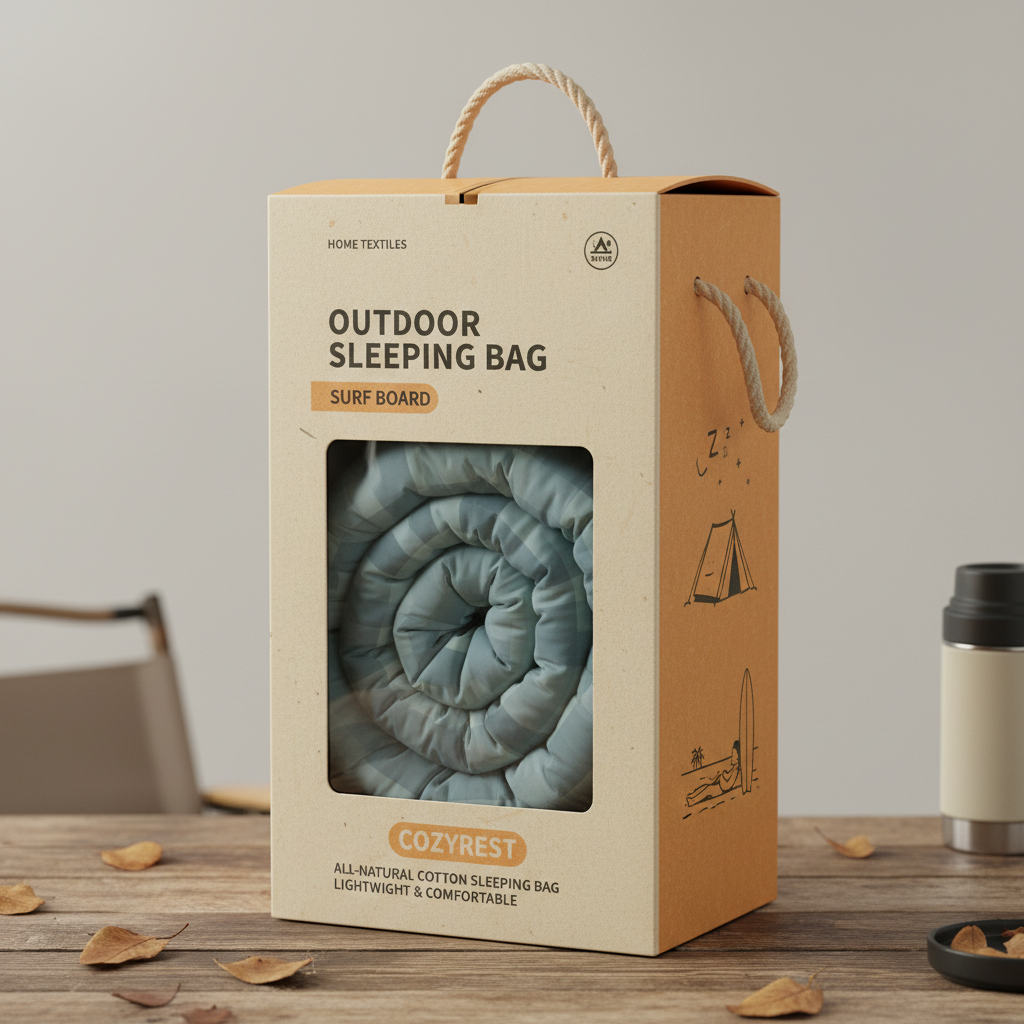
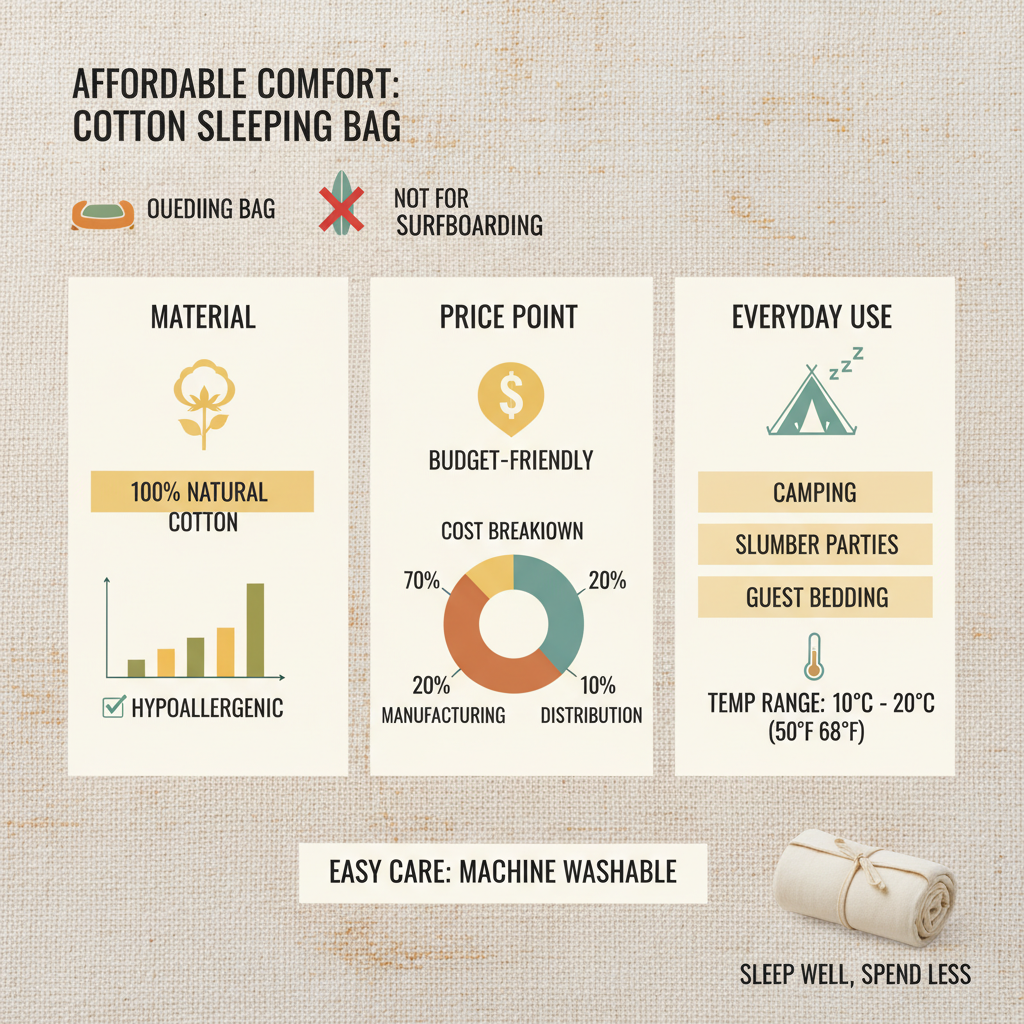
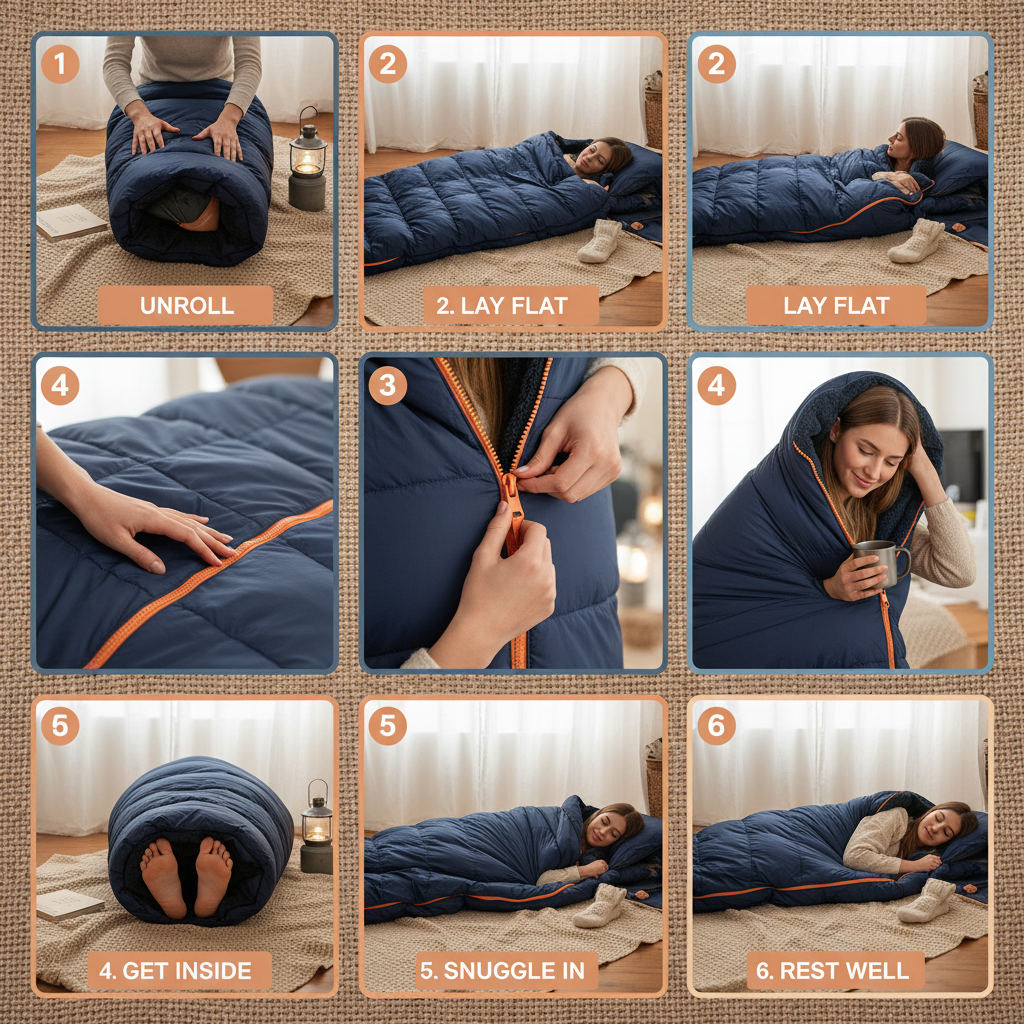
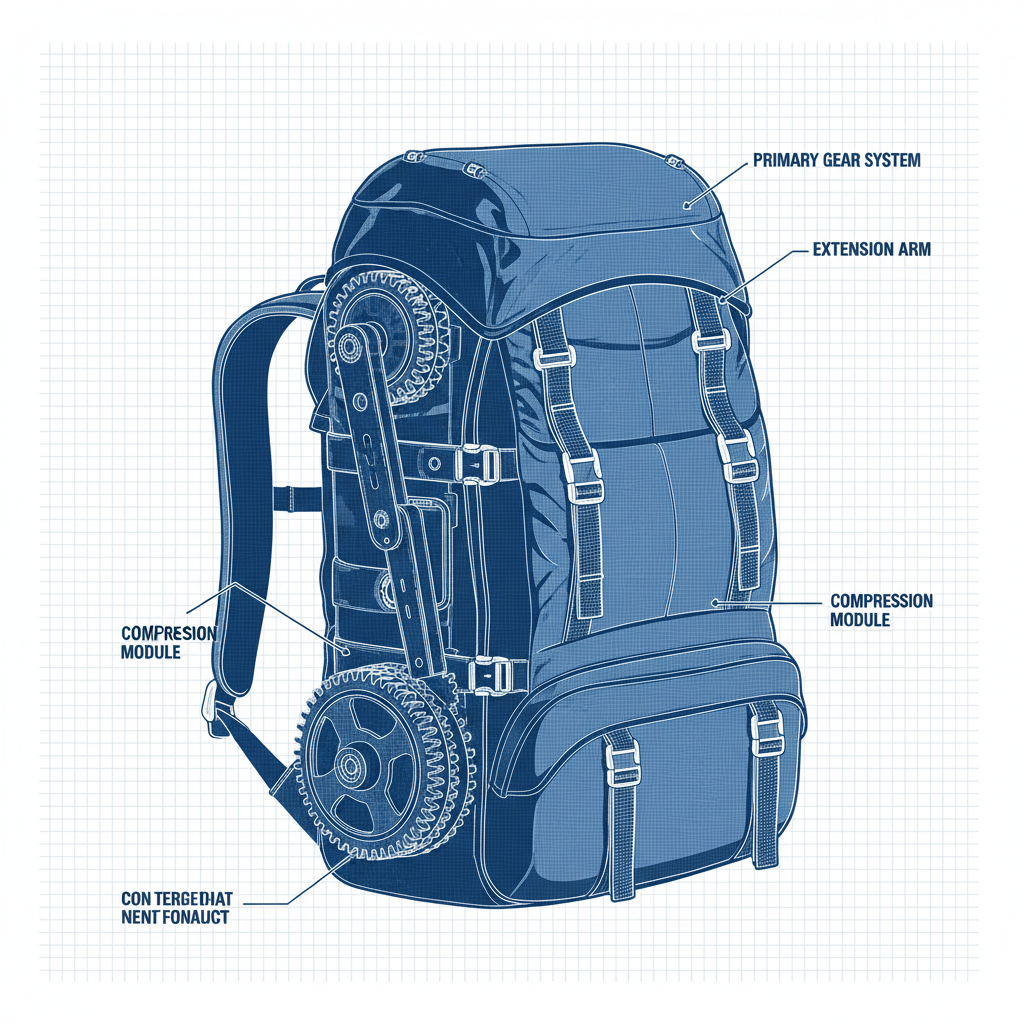
Finding a reliable yet cheap cotton sleeping bag is often a priority for budget-conscious campers, emergency responders, and outdoor enthusiasts who value the natural breathability of cotton over synthetic alternatives. While the market is flooded with high-tech materials, the timeless appeal of cotton lies in its comfort and hypoallergenic properties, making it a staple for mild-weather excursions and indoor use.
Globally, the demand for affordable bedding solutions has surged, particularly in the sectors of humanitarian aid and large-scale youth camping. The challenge lies in balancing the "cheap" aspect of the procurement with the durability and thermal efficiency required to ensure a safe night's sleep. Understanding the nuances of cotton weave and filling can transform a basic purchase into a high-value investment.
By analyzing the structural components and material science behind a cheap cotton sleeping bag, users can make informed decisions that maximize both cost-efficiency and physical comfort. This guide explores everything from global industry standards to practical use cases, ensuring you get the most out of your affordable outdoor gear.
Global Market Context of Affordable Cotton Bedding
The global textile industry has seen a significant shift toward accessible outdoor gear, with the cheap cotton sleeping bag serving as a primary entry point for millions of new campers. According to industry trends mirrored in ISO quality standards, there is an increasing move toward blending traditional natural fibers with modern manufacturing processes to lower costs without sacrificing basic utility.
In many developing regions and during large-scale humanitarian crises, the ability to deploy thousands of affordable, skin-friendly sleeping units is critical. This has pushed manufacturers to optimize the supply chain for cotton-based products, ensuring that basic warmth and dignity are accessible to those in temporary shelters or remote industrial work zones.
Defining the Cheap Cotton Sleeping Bag
In simple terms, a cheap cotton sleeping bag is a portable bedding unit constructed primarily from cotton fabrics and filled with cotton batting or a low-cost synthetic blend. Unlike high-end alpine gear designed for sub-zero temperatures, these bags are engineered for moderate climates, offering a soft touch and excellent breathability that prevents overheating during summer nights.
From an industrial perspective, these products represent the "utility tier" of the home and outdoor textile sector. They bridge the gap between a standard household blanket and a professional mountaineering bag, providing a structured envelope that retains body heat more effectively than a loose sheet while remaining affordable for bulk purchase.
The connection to modern humanitarian needs is profound; when organizations need to provide overnight shelter for displaced populations, the biocompatibility of cotton ensures fewer skin irritations compared to low-grade plastics, making the cheap cotton sleeping bag a preferred choice for basic relief operations.
Core Components of Budget Cotton Gear
The first pillar of a quality cheap cotton sleeping bag is Material Breathability. Cotton is naturally porous, allowing moisture to escape and air to circulate, which is essential for preventing condensation buildup inside the bag during humid nights.
Cost-to-Durability Ratio is the second critical factor. By utilizing reinforced stitching at the seams and a higher thread count in the shell, manufacturers can ensure that a budget-friendly bag withstands multiple seasons of use without tearing, providing long-term value for the consumer.
Lastly, Thermal Regulation is achieved through the density of the cotton fill. While not meant for ice, the loft of the cotton fibers traps a layer of still air around the body, which is the fundamental mechanism for maintaining a comfortable core temperature.
Performance Analysis and Cost Efficiency
When evaluating the efficiency of various budget options, it becomes clear that the cheap cotton sleeping bag outperforms basic blankets in heat retention but lags behind down-filled bags in weight. However, for the average user, the trade-off is skewed toward the cotton bag due to its ease of cleaning and lower price point.
To visualize the performance metrics, we compare different iterations of budget cotton designs across key categories such as comfort, ease of maintenance, and thermal retention.
Performance Comparison of Budget Cotton Sleeping Bag Variants
Real-World Applications and Use Cases
In real-world scenarios, the cheap cotton sleeping bag is indispensable for organized youth camps and school expeditions. Its ability to be machine-washed makes it ideal for high-turnover environments where hygiene is a priority and expensive gear is impractical.
Furthermore, in post-disaster relief operations, NGOs often distribute these bags in remote industrial zones or temporary camps. Because cotton is a familiar material, it provides a sense of psychological comfort and dignity to individuals in stressful situations, proving that "cheap" does not mean "low value."
Long-Term Value and Sustainability
The long-term value of investing in a cheap cotton sleeping bag lies in its sustainability. Unlike synthetic polyester bags that shed microplastics into the water system during every wash, pure cotton is biodegradable, reducing the environmental footprint of the outdoor industry.
From a logical standpoint, the reliability of cotton—which does not melt or shrink under moderate heat—makes it a safer choice for indoor use near heaters. This versatility allows it to function as both a camping tool and a guest bed, maximizing its utility per dollar spent.
Emotionally, the softness of cotton fosters a better quality of sleep, which is essential for mental recovery during grueling outdoor trips. The trust built in a product that performs its basic function reliably is often more valuable than the prestige of a high-priced brand.
Future Innovations in Cotton Textile Tech
The future of the cheap cotton sleeping bag is being reshaped by automation and green chemistry. We are seeing the emergence of organic cotton blends that are treated with eco-friendly water-repellent coatings, solving the age-old problem of cotton absorbing too much moisture.
Digital transformation in textile manufacturing is also allowing for "on-demand" sizing, reducing waste in the production of budget gear. By utilizing AI-driven cutting patterns, factories can produce more units from a single roll of fabric, further driving down the price for the end consumer.
As sustainability policies tighten globally, the shift toward recycled cotton will likely make these products even more accessible. The goal is to create a circular economy where old cotton bags can be shredded and re-spun into new fill, maintaining the "cheap" price point while eliminating waste.
Comparative Analysis of Cotton Sleeping Bag Material Innovations
| Material Type |
Breathability Score |
Moisture Resistance |
Relative Cost |
| Standard Pure Cotton |
10/10 |
Low |
Very Low |
| Organic Cotton Blend |
9/10 |
Medium-Low |
Low |
| Coated Water-Resistant Cotton |
7/10 |
Medium |
Moderate |
| Recycled Cotton Fiber |
8/10 |
Low |
Very Low |
| Cotton-Polyester Hybrid |
6/10 |
Medium-High |
Low |
| Compressed Cotton Tech |
8/10 |
Medium |
Moderate |
FAQS
Generally, no. Cotton is highly absorbent and loses its insulating properties when wet. For winter, a synthetic or down bag is recommended. However, a cheap cotton sleeping bag is excellent as a liner inside a warmer bag to add a layer of soft, breathable comfort.
Most cotton bags are machine washable. We recommend using a gentle cycle with cold water and a mild detergent. Avoid high-heat drying to prevent shrinkage; instead, air dry or use a low-heat tumble setting to maintain the loft of the filling.
Yes, cotton is naturally hypoallergenic and softer than many low-cost synthetic fabrics. This makes the cheap cotton sleeping bag an ideal choice for children or individuals prone to skin irritation caused by friction or chemicals in synthetic textiles.
Absolutely. Because of their affordability and breathability, they are frequently used in emergency shelters. They provide a critical barrier between the person and the cold ground, offering essential warmth and a sense of security in temporary housing.
Envelope bags, common in cheap cotton versions, are rectangular and allow more movement, making them better for summer and indoor use. Mummy bags are tapered to trap heat, but are less common in pure cotton due to the material's bulk and breathability focus.
Depending on the use case, a well-made budget cotton bag can last 3-5 years. For heavy-duty use in camps, durability depends on the fabric weight. Regular airing and proper storage in a cool, dry place will significantly extend its lifespan.
Conclusion
In summary, the cheap cotton sleeping bag remains a vital tool in the outdoor and humanitarian landscape. By combining the natural benefits of cotton—such as breathability, hypoallergenic properties, and biodegradability—with efficient industrial manufacturing, these products provide essential warmth and comfort without the prohibitive cost of technical gear.
Looking forward, the integration of sustainable organic fibers and automated production will only enhance the value proposition of affordable bedding. Whether you are equipping a youth troop or preparing an emergency kit, choosing a cotton-based solution ensures a balance of practicality and environmental responsibility. Visit our website for more high-quality options: www.aoxinoutdoor.com