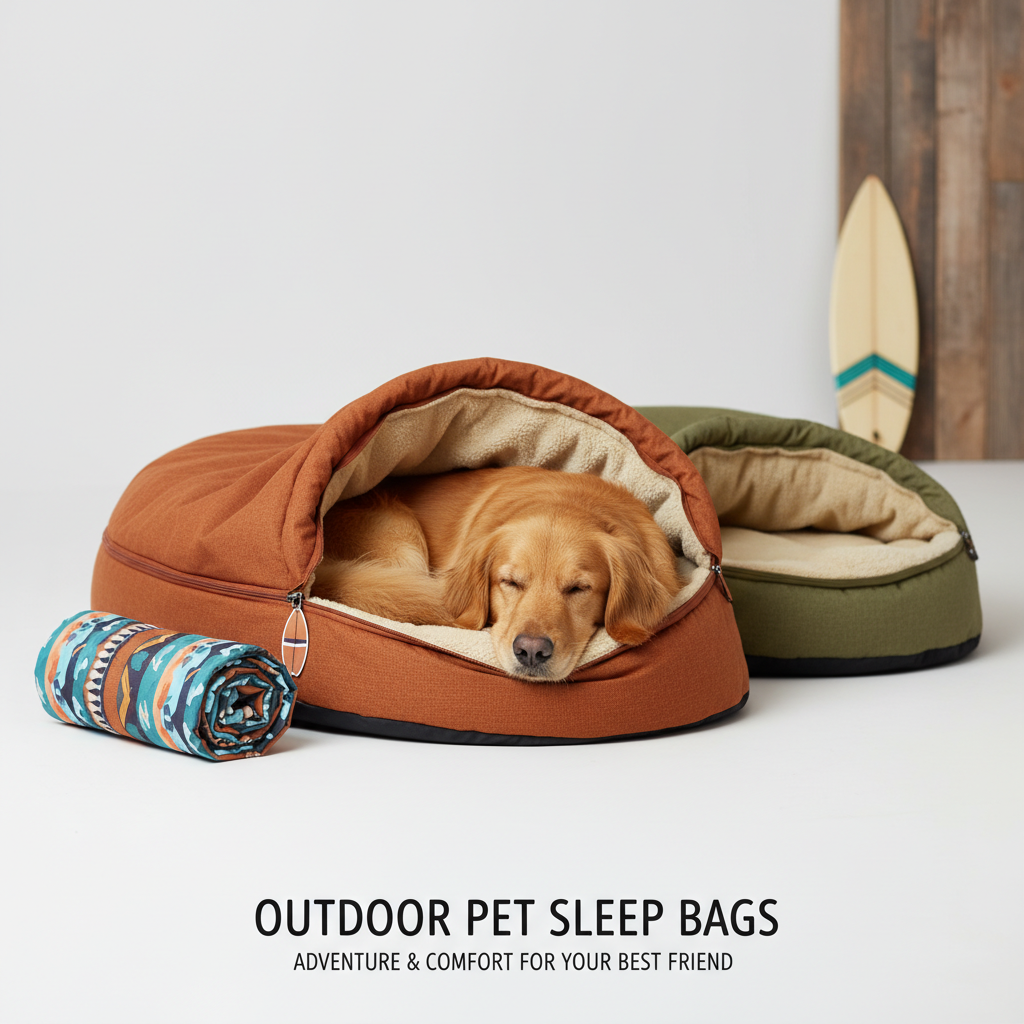
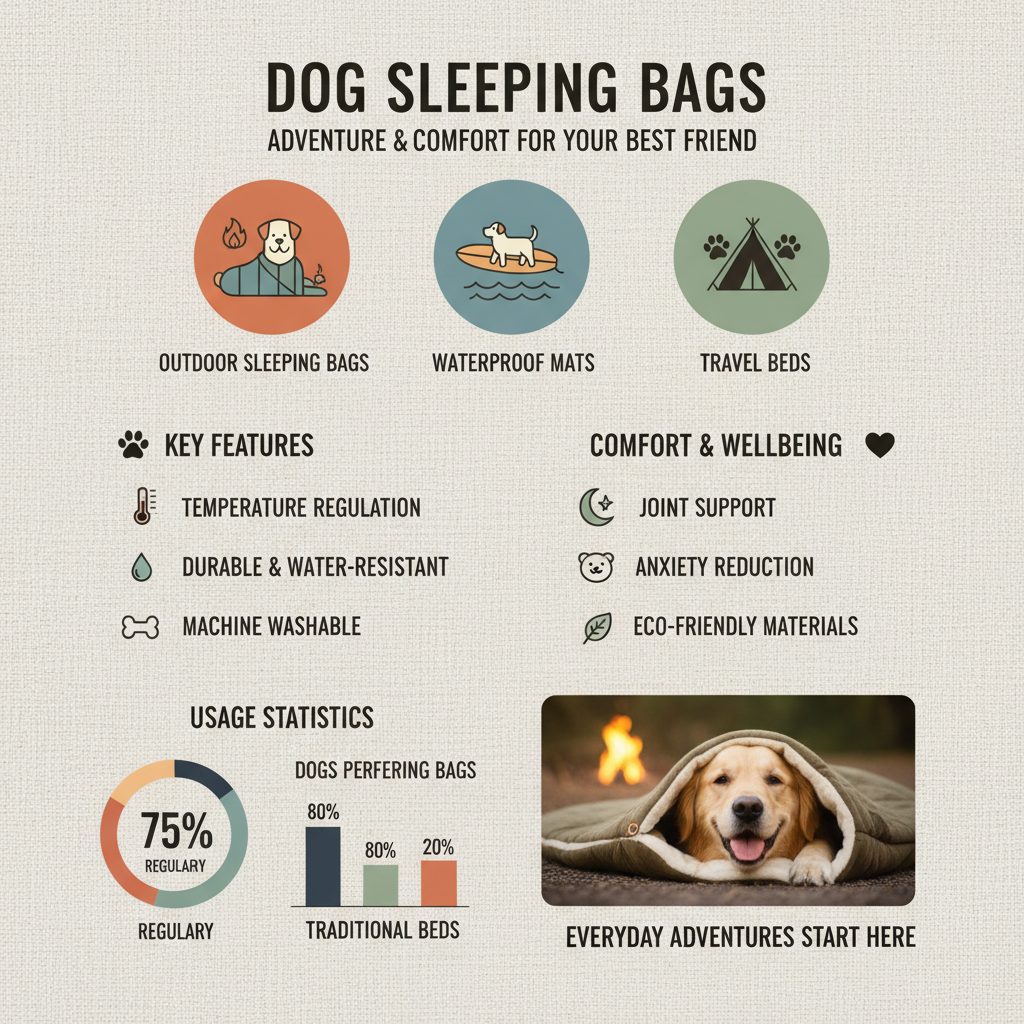
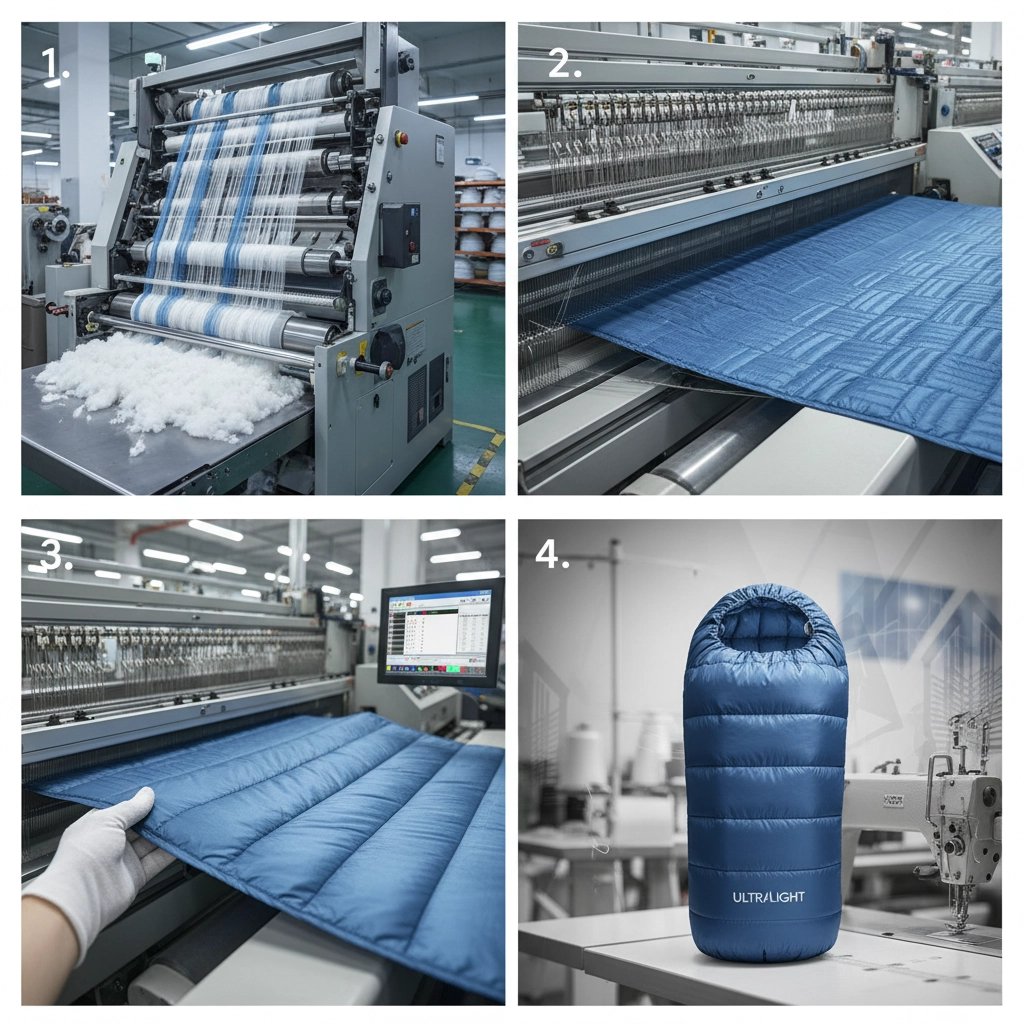
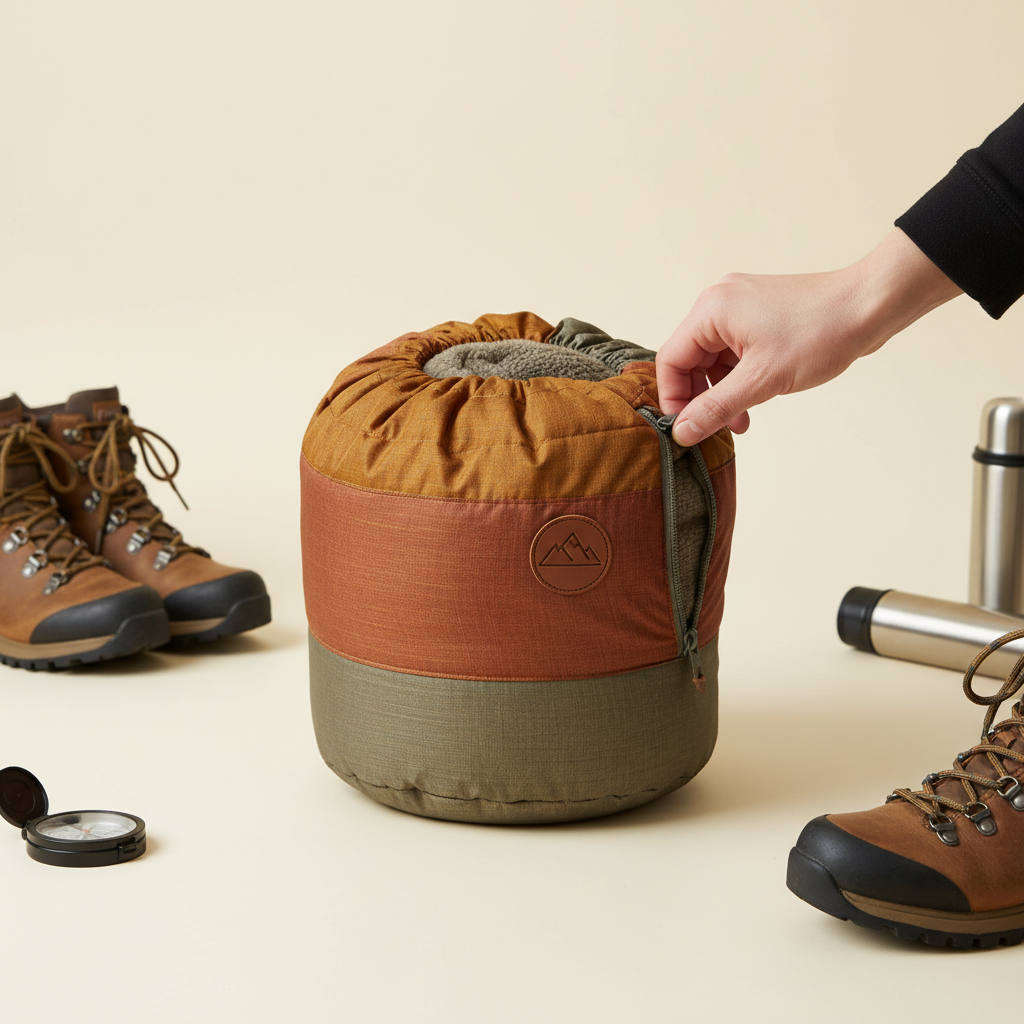
When venturing into the great outdoors with your canine companion, ensuring their comfort and safety becomes a top priority for any responsible pet owner. Specialized sleeping bags for dogs are designed to provide essential thermal insulation, protecting pets from the dampness of the ground and the biting chill of night air, regardless of the terrain.
From a technical perspective, the development of canine sleep systems has evolved from simple fleece blankets to engineered textile solutions that mimic the heat-retention properties of human outdoor gear. Understanding the nuances of fill power, fabric denier, and moisture-wicking capabilities is crucial for maintaining a dog's core body temperature during camping or hiking expeditions.
Integrating high-quality gear into your pet's adventure kit not only enhances their well-being but also strengthens the bond between owner and animal by reducing stress during outdoor stays. By focusing on ergonomic design and durable materials, the industry now offers solutions that cater to various breeds, sizes, and climatic needs.
Global Market Trends for Sleeping Bags for Dogs
The global demand for sleeping bags for dogs has surged in tandem with the "humanization of pets" trend observed across North America and Europe. As more owners incorporate their pets into active lifestyles—such as backcountry camping and mountaineering—the need for professional-grade thermal protection has shifted from a luxury to a necessity. Market data suggests a significant increase in the spending on technical pet apparel, mirroring the growth in the general outdoor equipment sector.
However, the industry faces the challenge of diversifying designs to accommodate the vast anatomical differences between breeds. While a Greyhound requires different heat retention than a Husky, the global manufacturing standard is moving toward modular designs. This shift ensures that canine sleep systems provide consistent protection against hypothermia and joint stiffness in cold environments, aligning with international animal welfare standards.
Defining the Technicality of Canine Sleep Systems
In simple terms, sleeping bags for dogs are specialized insulating envelopes designed to trap a dog's natural body heat while providing a barrier against external environmental stressors. Unlike a standard pet bed, these systems are engineered for portability and resilience, often utilizing synthetic or down fills that offer a high warmth-to-weight ratio.
Modern industry standards have integrated advanced textile engineering to ensure these products are not only warm but also breathable. This prevents the buildup of condensation—a common issue when dogs pant or move frequently—which could otherwise lead to dampness and a subsequent drop in body temperature. The connection to humanitarian needs is evident in the use of such gear for search-and-rescue dogs operating in alpine or disaster-stricken regions.
Furthermore, the design often incorporates "denier-rated" nylon or polyester shells to resist tears from claws and abrasion from rough terrain. By combining these industrial-strength materials with soft, hypoallergenic linings, manufacturers create a product that balances rugged durability with the comfort required for a dog to reach a deep, restorative sleep in the wild.
Core Components of High-Performance Dog Sleep Gear
The first critical factor in evaluating sleeping bags for dogs is Thermal Efficiency. This is determined by the quality of the insulation—whether it be synthetic fibers for wet conditions or high-loft down for extreme cold. The goal is to minimize "cold spots" where air can leak in, ensuring the dog remains warm without overheating.
Another essential component is Material Durability. Given the nature of canine behavior, gear must withstand scratching and chewing. High-performance bags utilize Ripstop nylon and reinforced stitching at stress points, ensuring the product remains functional over multiple seasons and through various demanding outdoor applications.
Finally, Ergonomic Scalability plays a vital role. A dog cannot be forced into a restrictive mummy shape like a human; therefore, the architecture of sleeping bags for dogs often leans toward envelope or rectangular shapes. This allows for natural movement and prevents the animal from feeling trapped, which is essential for their psychological comfort in unfamiliar environments.
Global Applications and Practical Use Cases
The application of sleeping bags for dogs extends far beyond casual weekend camping. In the realm of professional K9 operations, such as border patrol or mountain rescue in the Alps and Himalayas, these bags are critical for the recovery of working dogs. In these high-stress, low-temperature environments, preventing muscle cramping and hypothermia is vital for the dog's operational readiness.
Moreover, in post-disaster relief operations, specialized pet shelters utilizing thermal bags are deployed to protect displaced animals. Organizations in regions prone to earthquakes or floods use these portable solutions to provide immediate warmth and a sense of security to rescued pets, showcasing the humanitarian value of technical textile manufacturing.
Efficiency Ratings of Various Dog Sleeping Bag Types
Long-Term Value and Pet Wellness Benefits
Investing in quality sleeping bags for dogs provides tangible long-term value by reducing the risk of cold-related illnesses and joint inflammation. For older dogs with arthritis, the thermal properties and cushioned base of a professional sleep system provide essential relief, allowing them to accompany their owners on adventures that would otherwise be physically taxing.
Beyond the physical, there is a significant emotional angle. A dedicated sleeping space provides a "den-like" security, which lowers anxiety levels for dogs in loud or unfamiliar outdoor settings. This psychological stability leads to a more harmonious traveling experience, fostering a deeper trust between the pet and the owner through shared comfort and safety.
Future Innovations in Pet Textile Technology
The future of sleeping bags for dogs lies in the integration of smart textiles and sustainable materials. We are seeing a move toward recycled ocean plastics for outer shells and biodegradable synthetic fills, reducing the environmental footprint of pet gear while maintaining high-performance standards.
Furthermore, the digital transformation of the industry is introducing "phase-change materials" (PCM) that can actively regulate temperature, absorbing excess heat when the dog is too warm and releasing it back when the temperature drops. This automation of thermal regulation ensures an optimal sleep climate without manual adjustment by the owner.
Additionally, antimicrobial and self-cleaning fabric coatings are being developed to address the common issue of odors and organic buildup. These innovations will make the maintenance of dog gear significantly easier and more hygienic, extending the product's lifecycle and promoting a healthier environment for the pet.
Overcoming Common Challenges in Canine Gear
One of the primary limitations in current sleeping bags for dogs is the struggle with "fit and function." Many dogs find the enclosed nature of a bag restrictive, leading them to dig or chew their way out. To solve this, expert designers are implementing "convertible" designs that can shift from a fully enclosed bag to a quilted mat, offering versatility based on the dog's mood and the temperature.
Another challenge is moisture management. Since dogs do not sweat through their skin, they release heat and moisture through panting and paws. Innovative solutions include the addition of breathable mesh panels in non-critical heat zones, allowing moisture to escape while keeping the core warm, thus preventing the "clammy" feeling often associated with synthetic fabrics.
Lastly, the cost of high-end technical gear can be a barrier. To overcome this, the industry is moving toward modular upgrades—where a base bag can be enhanced with additional thermal liners as the user moves into colder climates. This cost-efficient approach allows owners to scale their gear according to their specific needs and budget.
Comparative Analysis of Dog Sleeping Bag Material Performance
| Material Type |
Thermal Retention |
Moisture Resistance |
Durability Score |
| Premium Goose Down |
High (9/10) |
Low (4/10) |
Medium (6/10) |
| Synthetic Polyester |
Medium (7/10) |
High (8/10) |
High (9/10) |
| Merino Wool Blend |
High (8/10) |
Medium (6/10) |
Medium (7/10) |
| Ripstop Nylon Shell |
Low (3/10) |
Very High (10/10) |
Very High (10/10) |
| Polar Fleece |
Medium (6/10) |
Medium (5/10) |
Medium (6/10) |
| Reflective Mylar Layer |
High (8/10) |
High (9/10) |
Low (4/10) |
FAQS
Measuring is key. You should measure your dog from the base of the neck to the base of the tail, adding 4-6 inches for movement. Ensure the width allows them to turn around comfortably. Since dogs don't lie perfectly still, a slightly oversized bag is generally better than one that is too tight, as it prevents restriction and allows for better air circulation.
Most high-quality bags feature a water-resistant outer shell (often treated with DWR), which handles light rain and dew. However, they are rarely fully waterproof to allow for breathability. For extreme wet conditions, we recommend using a waterproof footprint or mat underneath the bag to prevent ground moisture from seeping through the bottom.
Yes, if the insulation is too high for the ambient temperature. This is why "convertible" bags are recommended. If your dog begins to pant excessively or tries to dig their way out, it's a sign they are too warm. Open the bag into a mat configuration or choose a bag with a lower temperature rating to maintain a safe thermal balance.
Avoid harsh detergents. For synthetic bags, a gentle cycle in a front-loading washer with mild soap followed by low-heat tumble drying with tennis balls (to fluff the fill) is best. For down-filled bags, professional cleaning or specialized down-wash is required to prevent the feathers from clumping and losing their loft.
It is safe as long as the dog is comfortable and the bag is not too restrictive. Always supervise your dog during their first few uses to ensure they don't experience anxiety. Many dogs prefer the "envelope" style, which provides warmth while leaving the head and neck area open for ventilation and easy exit.
A dog bed is designed for static, indoor use and focuses on cushioning. A sleeping bag for dogs is designed for portability, temperature regulation, and protection against the elements. Bags are made from technical, weather-resistant fabrics and are compressible for travel, making them the only viable option for camping and hiking.
Conclusion
In conclusion, the adoption of high-performance sleeping bags for dogs represents a critical intersection of textile engineering and pet welfare. By prioritizing thermal efficiency, material durability, and ergonomic design, these sleep systems ensure that canine companions can safely navigate diverse climates, reducing physical stress and enhancing their overall quality of life during outdoor adventures.
As the industry moves toward smarter, more sustainable materials, pet owners are encouraged to view these tools as an investment in their pet's health and longevity. Whether for professional K9 work or family camping trips, the right gear transforms a potentially hazardous cold night into a restorative experience. To explore professional-grade outdoor solutions for you and your pet, visit our website: www.aoxinoutdoor.com