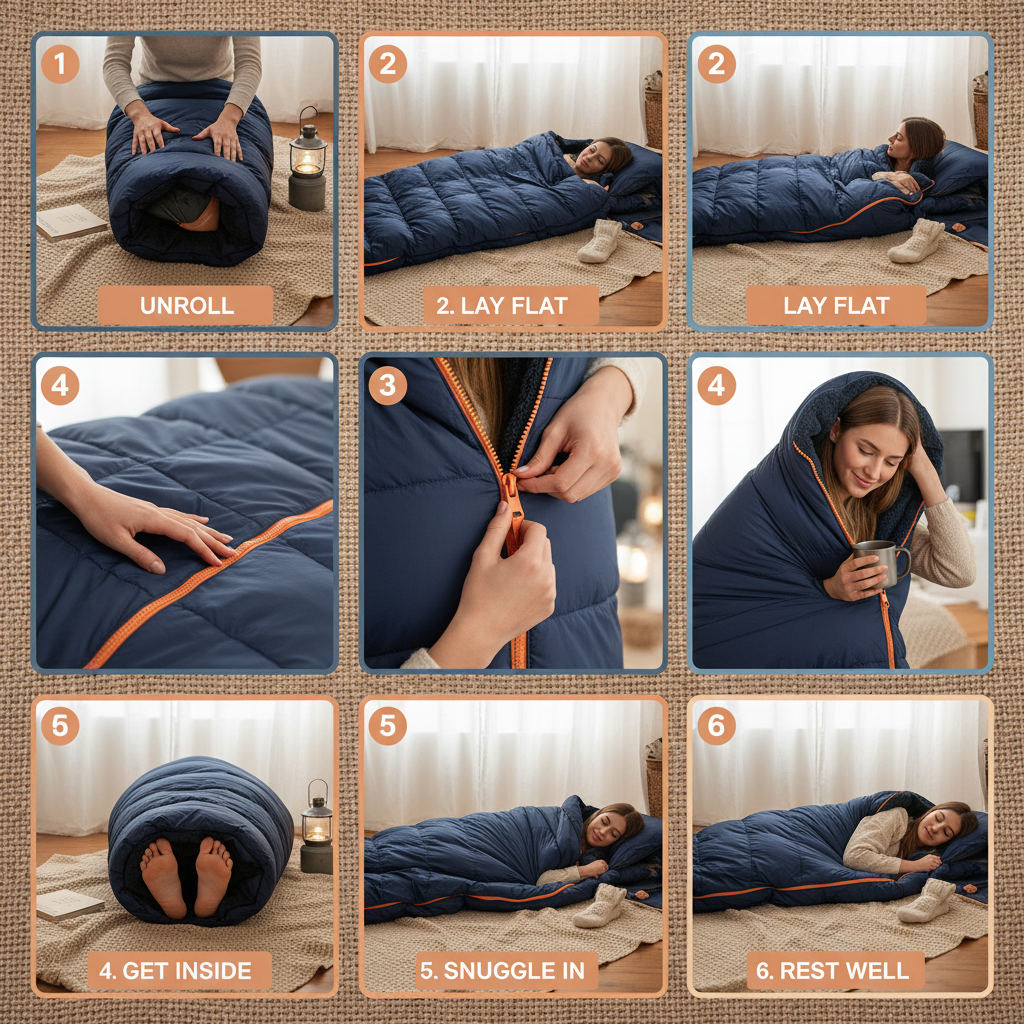
The demand for reliable and adaptable shelter solutions is increasing globally, driven by factors like disaster relief efforts, remote workforces, and the need for accessible housing. A growing area of focus within this landscape is the hammock sleeping bag, representing a versatile and efficient approach to providing shelter and comfort in diverse environments. This innovative solution offers advantages in terms of portability, rapid deployment, and cost-effectiveness, making it a valuable asset in various situations.
The importance of readily deployable shelter extends beyond emergency response. Industries like forestry, construction, and scientific research frequently require temporary accommodation for personnel operating in remote locations. Moreover, the growing outdoor recreation sector fuels a demand for lightweight and comfortable shelter options for camping and adventure travel. The hammock sleeping bag directly addresses these needs, offering a practical and adaptable alternative to traditional tents and shelters.
Understanding the intricacies of hammock sleeping bag – its design, materials, and application – is critical for professionals in disaster management, outdoor equipment manufacturing, and related fields. This knowledge can lead to improved shelter strategies, more efficient resource allocation, and ultimately, better outcomes for those in need of safe and comfortable accommodation.
Defining the hammock sleeping bag Concept
A hammock sleeping bag, in its simplest form, integrates the comfort and portability of a hammock with the insulating properties of a sleeping bag. This creates a self-contained shelter system ideal for a wide range of outdoor applications. It’s a significant departure from traditional ground-based sleeping systems, offering a unique combination of comfort, convenience, and adaptability.
The core principle behind its efficacy lies in suspended sleep, which minimizes pressure points and promotes better circulation. This design, combined with the thermal protection of a sleeping bag, makes it a viable option for various climates and conditions. The materials used in construction are crucial, ranging from lightweight nylon and polyester to more durable, weather-resistant fabrics.
Global Relevance and Statistics
The need for efficient and accessible shelter solutions is a global concern, particularly in the context of increasing natural disasters and humanitarian crises. According to the United Nations High Commissioner for Refugees (UNHCR), there are currently over 82.4 million forcibly displaced people worldwide, many of whom require immediate shelter. Hammock sleeping bags offer a logistical advantage in these scenarios due to their lightweight nature and ease of transport.
Furthermore, the outdoor recreation industry is experiencing significant growth. A report by the Outdoor Foundation revealed that over 53.3 million Americans participated in outdoor recreation in 2020, creating a substantial demand for portable and comfortable shelter options. This demand extends beyond recreational use to include emergency preparedness and off-grid living scenarios.
The ISO standards for emergency shelter prioritize factors like durability, thermal performance, and ease of deployment. Hammock sleeping bags can be designed and manufactured to meet these standards, providing a reliable and cost-effective solution for both humanitarian aid and individual preparedness.
What is a hammock sleeping bag?
A hammock sleeping bag is a hybrid shelter combining the suspended comfort of a hammock with the insulation of a sleeping bag. Unlike traditional hammocks, it’s fully enclosed, providing protection from insects, wind, and light rain. The design typically features integrated bug netting, a waterproof rainfly, and a suspension system for easy setup.
Its connection to modern industry and humanitarian needs stems from its efficiency and portability. In disaster relief, it offers a quick and easy shelter solution that requires minimal space for transport and storage. For industries operating in remote locations, it provides comfortable and adaptable accommodation for personnel. The ability to be quickly deployed and packed up makes it an ideal option for a wide range of applications.
The design evolution of the hammock sleeping bag reflects a growing demand for versatile and lightweight shelter solutions. Early iterations were often modifications of existing hammocks, but modern designs incorporate specialized materials and features to enhance comfort, durability, and weather protection.
Key Features of hammock sleeping bag
Durability is a cornerstone of a reliable hammock sleeping bag. High-quality materials, such as ripstop nylon and polyester, can withstand the rigors of outdoor use and resist tearing and abrasion. Reinforced stitching and robust suspension systems are also crucial for long-term performance.
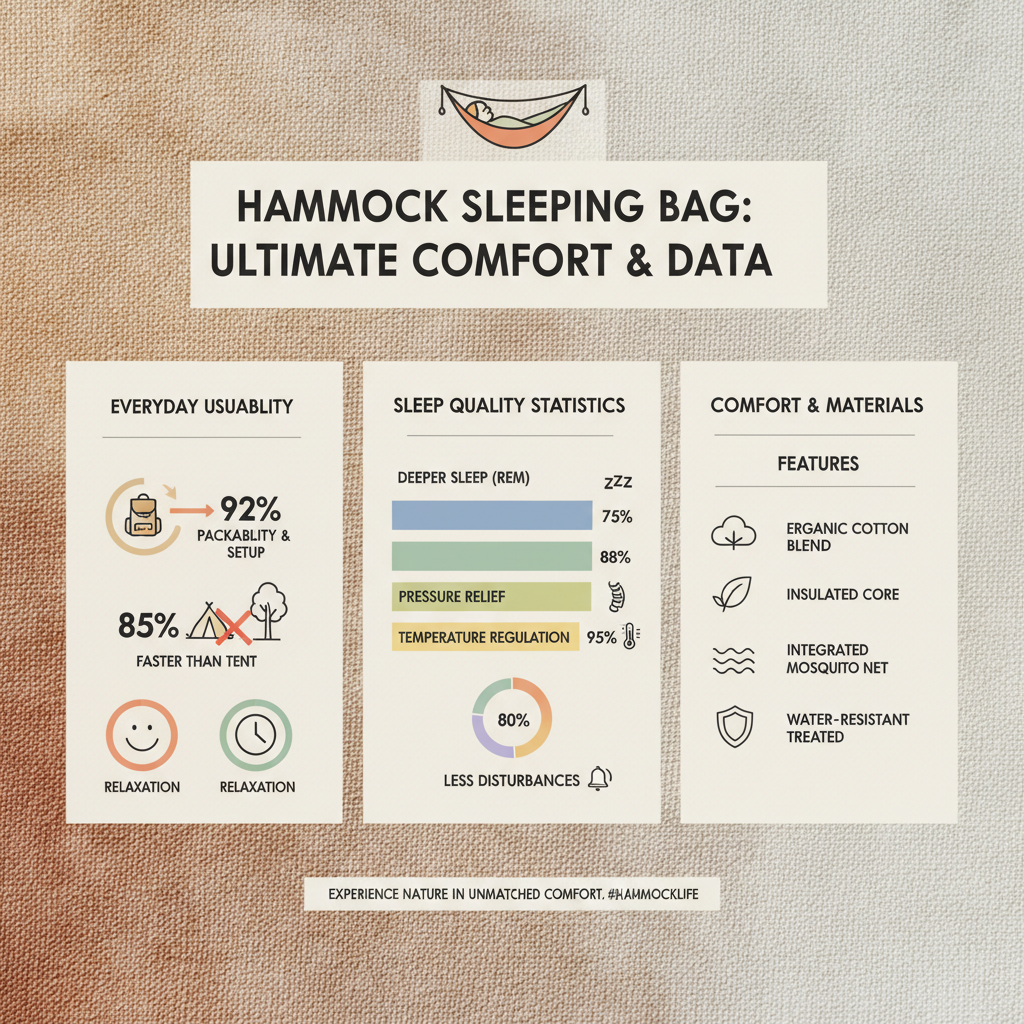
Weight and packability are critical for portability. Lightweight materials and a compact design allow for easy transport, making it ideal for backpacking, hiking, and emergency preparedness. The ability to pack down small minimizes the space required for storage.
hammock sleeping bag Performance Metrics
Real-World Applications
In post-disaster relief operations, hammock sleeping bags provide a quick and effective shelter solution for displaced populations. Their lightweight nature and ease of deployment make them ideal for reaching remote or inaccessible areas. They can be distributed rapidly, offering immediate protection from the elements.
In remote industrial zones, such as forestry camps or mining sites, hammock sleeping bags offer a comfortable and portable accommodation option for workers. They can be easily set up and taken down, allowing for flexibility and adaptability in challenging environments. They are also useful for research teams conducting fieldwork in remote areas.
Advantages and Long-Term Value
The cost-effectiveness of hammock sleeping bags compared to traditional shelter solutions is a significant advantage. Their relatively low manufacturing cost and reduced logistical requirements translate into substantial savings for organizations and individuals. The durability of high-quality models further enhances their long-term value.
Sustainability is increasingly important. The production of hammock sleeping bags can utilize recycled materials, minimizing their environmental impact. Their portability also reduces the need for extensive site preparation, preserving natural habitats.
Future Trends and Innovations
Advancements in materials science are driving the development of lighter, stronger, and more weather-resistant fabrics for hammock sleeping bags. The integration of nanotechnology could enhance water repellency, UV protection, and overall durability.
Smart technologies are also emerging. Integrated sensors could monitor temperature, humidity, and movement, providing valuable data for optimizing comfort and safety. Self-inflating features and automated deployment systems could further enhance ease of use.
The trend towards sustainable materials and manufacturing processes will continue to shape the future of hammock sleeping bags, with a focus on reducing environmental impact and promoting responsible consumption.
Table Summarizing Key Factors Influencing hammock sleeping bag Selection
| Weight & Packability |
Durability & Materials |
Weather Protection |
Comfort & Features |
| 1-3 kg |
Ripstop Nylon (70D-210D) |
Waterproof Rainfly (PU Coating) |
Integrated Bug Netting |
| Pack Volume: 10-20L |
Polyester (210T-400T) |
Water Resistance (up to 3000mm) |
Suspension Straps & Carabiners |
| Ultralight Options Available |
Reinforced Stitching |
Wind Resistance |
Spacious Interior |
| Compact Storage Bag Included |
Durable Suspension System |
Breathable Fabrics |
Storage Pockets |
| Adjustable Suspension Length |
UV Protection |
Easy Setup & Takedown |
Multiple Color Options |
| Integrated Compression Sacks |
Abrasion Resistance |
Enhanced Ventilation |
Adjustable Suspension Angles |
FAQS
Most hammock sleeping bags are designed to support a maximum weight capacity of around 300-400 pounds (136-181 kg). It's crucial to check the specific product specifications before use, as exceeding the weight limit can compromise the structural integrity of the hammock and lead to failure. Always prioritize safety and choose a model that comfortably accommodates your weight.
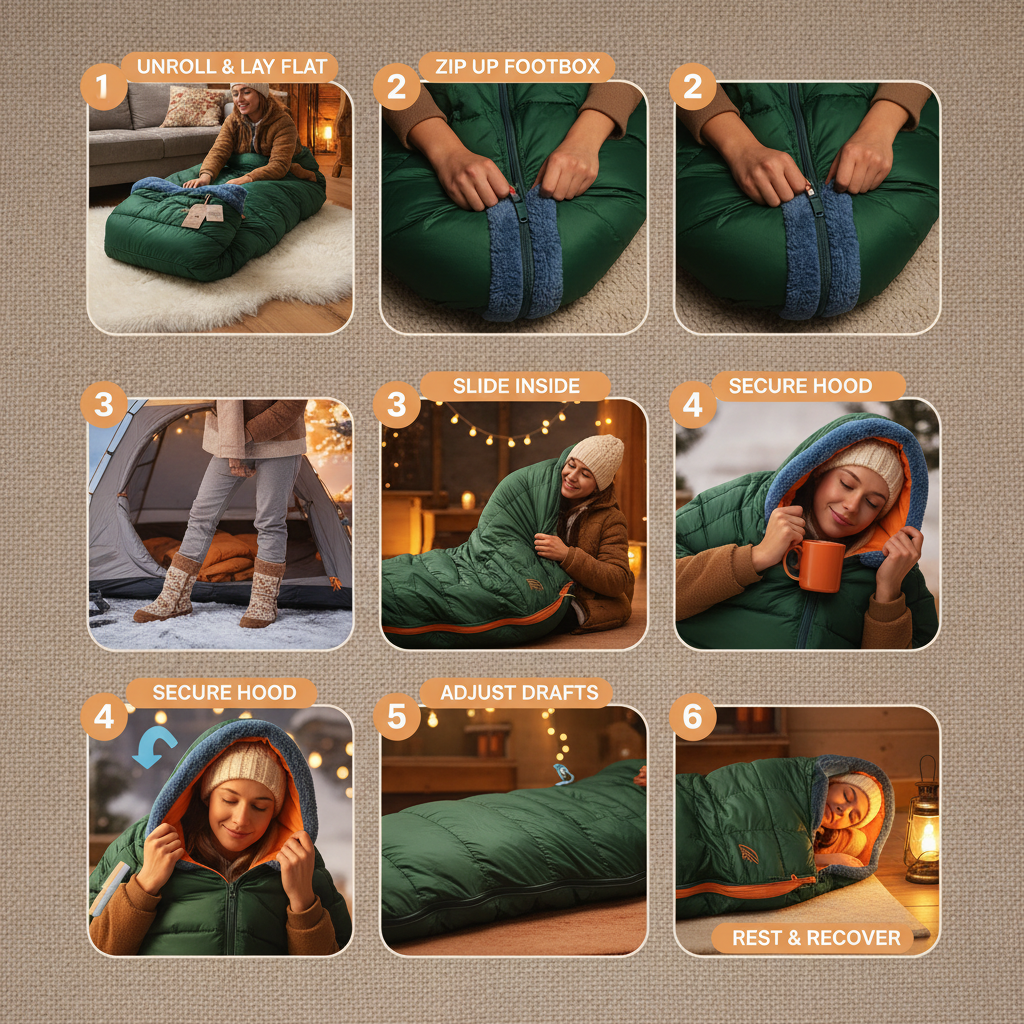
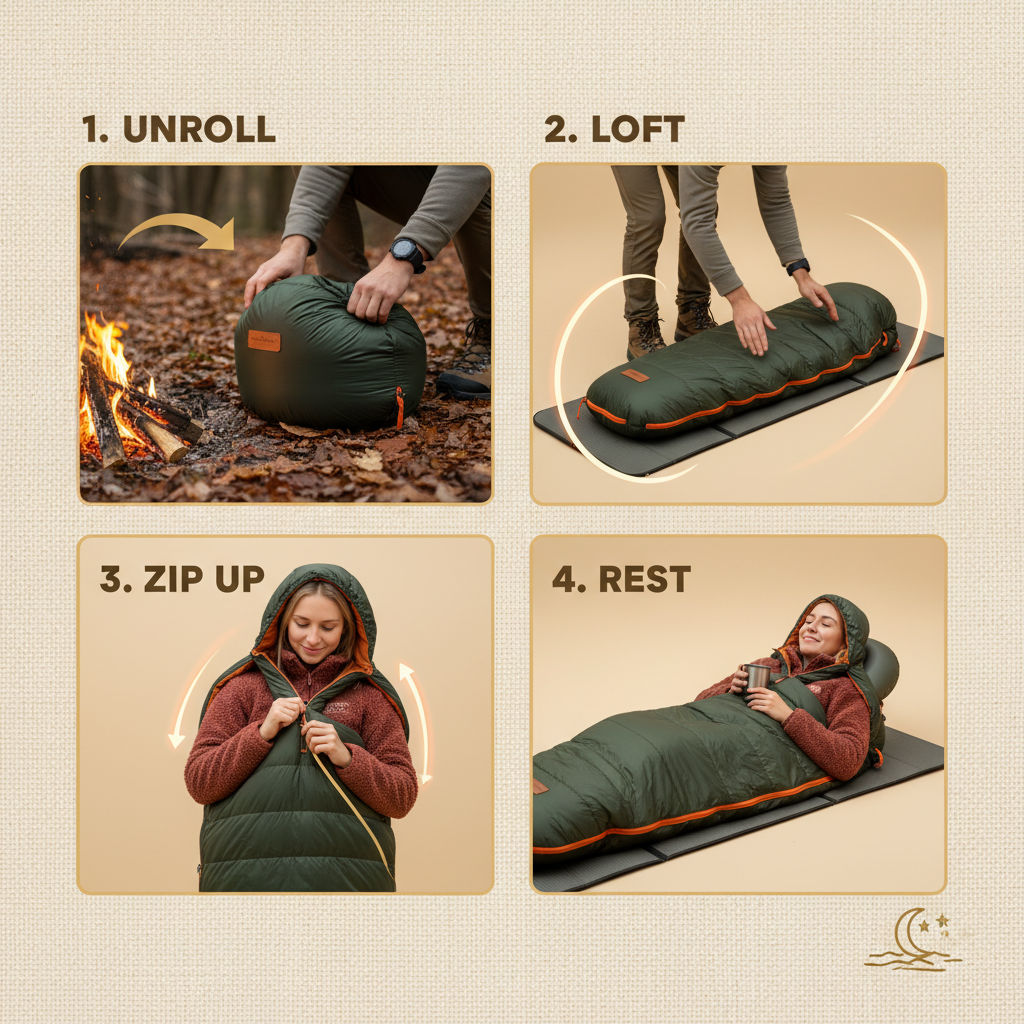
Setting up a hammock sleeping bag is generally very straightforward. Most models come with pre-attached suspension straps and carabiners, allowing for a quick and easy setup between two trees or sturdy anchor points. The process typically involves wrapping the straps around the trees, adjusting the height, and clipping the hammock to the straps. With practice, setup can be accomplished in just a few minutes.
While a hammock sleeping bag offers some insulation, its suitability for cold weather depends on several factors, including the temperature rating of the integrated sleeping bag, the materials used, and the use of additional layers. Adding an underquilt, which provides insulation from below, is highly recommended for cold weather camping to prevent heat loss due to convection.
Protecting trees is essential for responsible hammock use. Use wide tree straps (at least 1 inch or 2.5 cm) to distribute the weight and minimize pressure on the bark. Avoid using rope or thin straps, as they can damage the trees. Regularly inspect the straps for wear and tear, and rotate your hanging spots to prevent concentrated pressure on any single tree.
A traditional hammock is typically an open fabric bed suspended between two points, designed for lounging or casual sleeping. A hammock sleeping bag, on the other hand, is a fully enclosed system that combines the hammock with an integrated sleeping bag and often includes features like bug netting and a rainfly for protection from the elements. The sleeping bag component provides insulation and comfort for overnight stays.
Cleaning and maintenance depend on the materials used. Generally, spot cleaning with mild soap and water is sufficient for most hammocks. For more thorough cleaning, follow the manufacturer's instructions. Avoid using harsh detergents or bleach. Allow the hammock to air dry completely before storing it to prevent mold and mildew. Regularly inspect the suspension system for wear and tear.
Conclusion
In conclusion, the hammock sleeping bag represents a significant advancement in portable shelter technology, offering a unique combination of comfort, convenience, and adaptability. From disaster relief and remote industrial operations to outdoor recreation and emergency preparedness, its versatility makes it a valuable asset in a wide range of scenarios. Its benefits extend beyond immediate shelter, offering cost-effectiveness, sustainability, and a comfortable sleep experience.
As technology continues to evolve, we can expect further innovations in materials, design, and functionality. The integration of smart technologies and a continued focus on sustainability will drive the future of hammock sleeping bag, solidifying its role as a leading solution for temporary and adaptable shelter. Visit our website at www.aoxinoutdoor.com to explore our range of hammock sleeping bags and learn more about how they can meet your needs.